JK Cement Q1 FY27 profit falls 14.5% to ₹278 crore as margins shrink
Synopsis
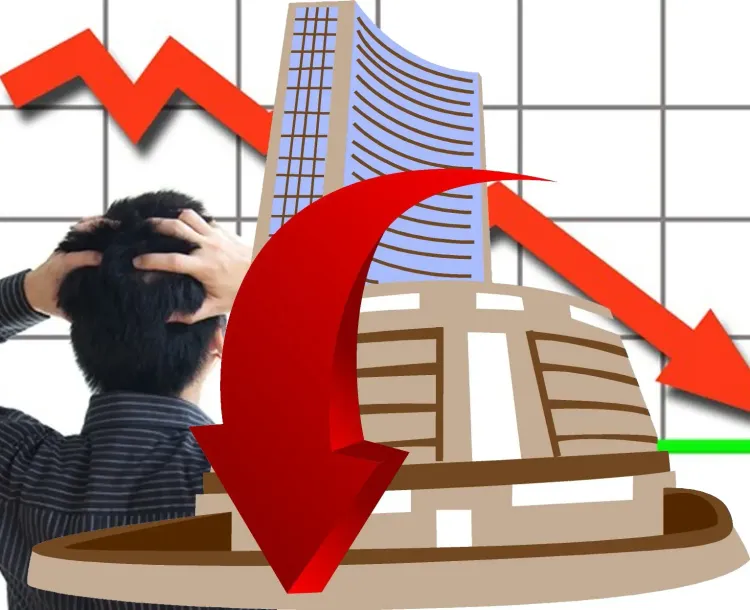
JK Cement's Q1 FY27 results reveal a stark divergence: revenue grew 20 per cent but profit fell 15 per cent and EBITDA margins collapsed by over 440 basis points. Higher pet coke prices and diesel costs are doing what volume growth alone cannot fix — and with net debt rising to ₹3,864 crore, the cost-versus-capacity bet is entering a critical phase.
Key Takeaways
JK Cement posted a 14.5 per cent drop in Q1 FY27 net profit to ₹278 crore , down from ₹324 crore a year earlier.
Revenue from operations rose 20.3 per cent to ₹4,032 crore in the April–June 2025 quarter.
EBITDA fell 5.8 per cent to ₹648 crore ; EBITDA margin contracted to 16.1 per cent from 20.5 per cent .
Higher pet coke prices, elevated diesel costs, and increased maintenance expenditure drove the margin squeeze.
Net debt rose to ₹3,864 crore as of 30 June 2025 , with a net debt-to-equity ratio of 0.53 times .
The stock has underperformed the Sensex by roughly 21 percentage points over the past year, declining nearly 16 per cent .
JK Cement Ltd reported a 14.5 per cent year-on-year decline in consolidated net profit to ₹278 crore for the first quarter of FY27 (April–June 2025), even as revenue from operations surged at a double-digit pace. The results, disclosed via an exchange filing on Saturday, 18 July, point to a widening gap between top-line growth and bottom-line delivery — a pattern increasingly visible across the cement sector this quarter.
Revenue Growth Masks Profitability Pressure
Revenue from operations jumped 20.3 per cent to ₹4,032 crore in Q1 FY27, up from ₹3,353 crore in the same quarter a year earlier. Despite this strong volume-led expansion, profit attributable to shareholders fell to ₹278 crore from ₹324 crore in Q1 FY26 — a drop of roughly ₹46 crore.
EBITDA and Margins Contract Sharply
Operating performance deteriorated more visibly at the earnings level. EBITDA declined 5.8 per cent to ₹648 crore from ₹688 crore in the year-ago period. The EBITDA margin narrowed sharply to 16.1 per cent from 20.5 per cent — a compression of more than 440 basis points.
The margin squeeze was driven by a combination of higher pet coke prices, elevated diesel costs linked to ongoing geopolitical developments, and increased maintenance expenditure. Notably, these cost pressures eroded gains from higher sales volumes, underscoring the input-cost vulnerability that has weighed on cement producers broadly.
Debt Position and Balance Sheet
As of 30 June 2025, JK Cement's net debt stood at ₹3,864 crore, up from ₹3,370 crore at the end of March 2025. The net debt-to-equity ratio was 0.53 times, indicating a moderate leverage position, though the sequential rise in debt warrants monitoring given the margin environment.
Stock Performance and Market Context
Shares of JK Cement ended 0.65 per cent lower at ₹5,388.90 per share on the BSE on Friday, underperforming the benchmark Sensex, which gained 1.09 per cent on the same day. Over the past one year, the stock has declined nearly 16 per cent, against a roughly 5 per cent gain in the Sensex — a significant underperformance.
Over the last six months, JK Cement shares have fallen around 8.5 per cent, compared with a 6.5 per cent decline in the benchmark. The stock has touched a 52-week high of ₹7,565 and a 52-week low of ₹4,670.05 on the BSE.
What to Watch
The trajectory of pet coke and diesel prices will be the key variable for JK Cement's margin recovery in the coming quarters. Any easing in global energy costs or a resolution of geopolitical supply disruptions could provide relief. Analysts will also track whether the company's capacity expansion investments — reflected in the rising debt — translate into volume gains that can eventually offset cost headwinds.
Point of View
Not a blip. The sequential rise in net debt suggests the company is still investing in capacity even as returns compress, a bet that only pays off if fuel costs ease and pricing power improves. With the stock already down 16 per cent over the year, the market has priced in some of this pain — but a sustained margin recovery is needed before sentiment shifts.
NationPress
17 Oct 2026
Frequently Asked Questions
What were JK Cement's Q1 FY27 results?
JK Cement reported a 14.5 per cent year-on-year decline in net profit to ₹278 crore for Q1 FY27 (April–June 2025), despite a 20.3 per cent rise in revenue from operations to ₹4,032 crore. EBITDA margin contracted sharply to 16.1 per cent from 20.5 per cent a year earlier.
Why did JK Cement's profit fall despite higher revenue?
Higher pet coke prices, elevated diesel costs linked to geopolitical developments, and increased maintenance expenditure weighed on profitability. These input cost pressures more than offset the gains from strong volume-driven revenue growth, compressing both EBITDA and net profit.
What is JK Cement's current debt level?
As of 30 June 2025, JK Cement's net debt stood at ₹3,864 crore, up from ₹3,370 crore at the end of March 2025. The net debt-to-equity ratio was 0.53 times.
How has JK Cement's stock performed over the past year?
JK Cement shares have declined nearly 16 per cent over the past one year, significantly underperforming the Sensex, which gained around 5 per cent in the same period. The stock touched a 52-week high of ₹7,565 and a 52-week low of ₹4,670.05 on the BSE.
What will determine JK Cement's margin recovery?
The key variables are pet coke and diesel price trends, which are partly linked to global energy markets and geopolitical conditions. Any easing in fuel costs, combined with improved cement pricing, could support margin recovery in subsequent quarters of FY27.