CM Dhami Meets Mayors, Urban Chiefs on City Development
Synopsis
Uttarakhand CM Pushkar Singh Dhami convened mayors and urban body heads at Mukhya Sevak Sadan on 18 July 2026 to discuss urban development, sanitation, and ensuring state welfare schemes reach every eligible citizen across the state's towns and cities.
Key Takeaways
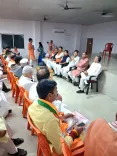
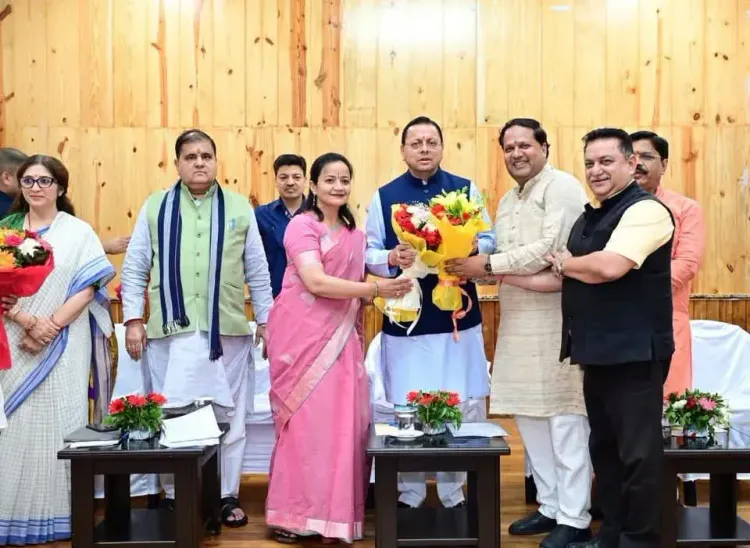
CM Pushkar Singh Dhami met mayors, nagar palika presidents, and nagar panchayat chairpersons on 18 July 2026 at Mukhya Sevak Sadan , Dehradun.
Discussions covered urban development, expansion of public amenities, clean and well-organised cities, and citizen welfare issues.
Dhami called on all elected urban representatives to ensure state welfare scheme benefits reach every eligible citizen with full commitment.
The meeting aligns with the 74th Constitutional Amendment framework, which vests urban governance responsibility in elected local bodies.
Balanced urban development and swift, effective resolution of civic problems were highlighted as key expectations from municipal representatives.
Follow-up reviews of urban scheme implementation and municipal performance are anticipated in subsequent state fiscal planning.
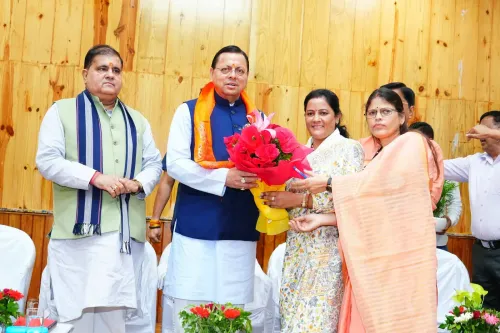
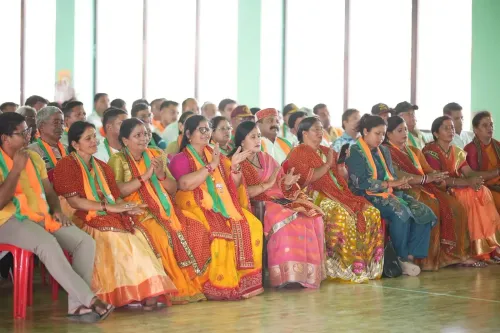
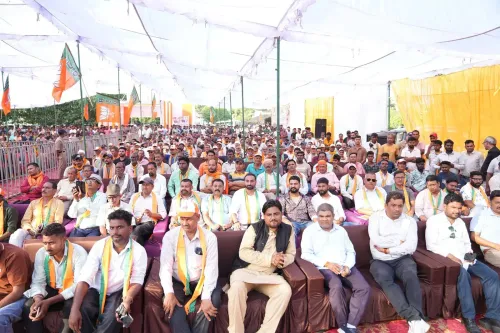
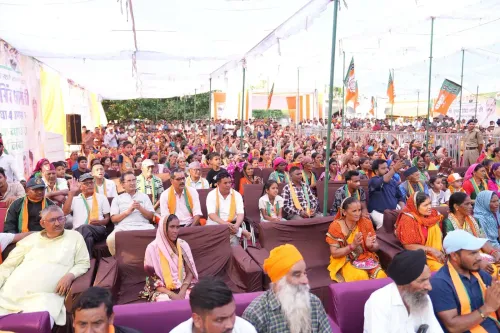
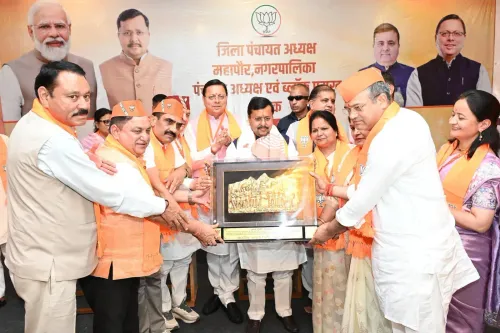
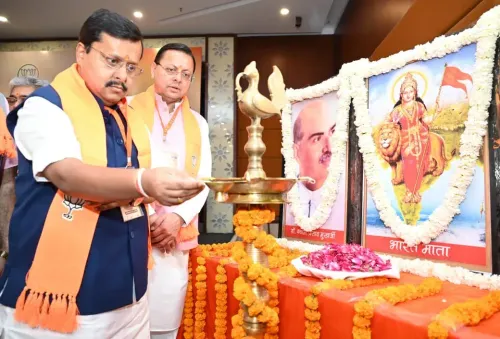
Uttarakhand Chief Minister Pushkar Singh Dhami on Saturday, 18 July 2026, held a wide-ranging dialogue with mayors, municipal council presidents, and nagar panchayat chairpersons at Mukhya Sevak Sadan in Dehradun, covering urban development, citizen services, and the effective delivery of state welfare schemes.
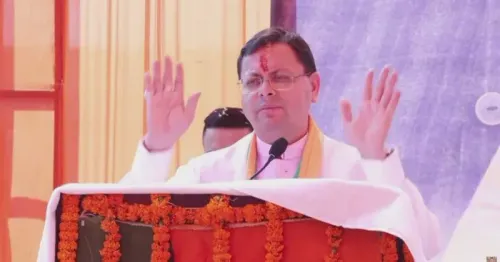
Addressing the elected urban representatives, CM Dhami called for full commitment in ensuring that the benefits of state government welfare schemes reach every eligible citizen. Posting on X, he stated: 'शहरी विकास, जनसुविधाओं के विस्तार, स्वच्छ एवं सुव्यवस्थित नगरों के निर्माण तथा नागरिक हितों से जुड़े विभिन्न विषयों पर विस्तार से चर्चा की' — 'Detailed discussions were held on urban development, expansion of public amenities, construction of clean and well-organised towns, and various issues related to citizens' interests.'
Context
The meeting at Mukhya Sevak Sadan — the official engagement hall used by the Chief Minister for public consultations — brought together elected heads of urban local bodies from across Uttarakhand. The forum covered mayors of municipal corporations alongside presidents of nagar palika parishads and nagar panchayats, reflecting the full spectrum of the state's urban governance structure.
CM Dhami emphasised that all people's representatives are expected to work with 'complete commitment' towards accelerating balanced urban development and resolving civic problems swiftly and effectively — a direct signal that scheme implementation and local accountability are priority benchmarks for the state government.
Policy Backdrop
The engagement is rooted in the framework of the 74th Constitutional Amendment, which devolved urban governance functions to elected local bodies and made municipalities key delivery arms for central and state schemes. Missions such as Swachh Bharat Mission, launched in 2014, have since made urban sanitation, solid waste management, and city infrastructure central to local body mandates.
Uttarakhand, with its mix of hill towns and fast-growing plains cities, faces particular challenges in balanced urban growth — from maintaining hill-town infrastructure to managing expanding populations in towns like Haridwar and Dehradun. State-level consultations of this kind are designed to align municipal priorities with state planning and central scheme guidelines.
Stakeholders and Impact
Urban local body representatives — mayors and council presidents — are the direct conduit between state policy and citizens. Their ability to identify gaps in scheme delivery and resolve on-ground civic complaints determines whether welfare benefits actually reach eligible households. CM Dhami's meeting is an accountability signal: the state is watching municipal performance on these parameters.
For ordinary residents of Uttarakhand's towns and cities, the outcome of such engagements can translate into faster grievance redressal, better sanitation infrastructure, and more organised urban spaces — the stated goals of the dialogue.
What's Next
State-level reviews of urban scheme implementation are expected to follow, with municipal bodies likely required to report on progress against key civic indicators in subsequent fiscal planning cycles. Any follow-up directives from the Chief Minister's office on municipal performance benchmarks will be closely watched by urban governance observers. The meeting sets a tone of direct executive engagement with local representatives that could intensify ahead of urban local body elections in the state.
Point of View
Likely with an eye on urban voter satisfaction ahead of future electoral cycles. The emphasis on reaching 'every eligible citizen' with welfare scheme benefits mirrors a broader national BJP governance narrative of last-mile delivery. By convening this forum at Mukhya Sevak Sadan rather than a routine administrative setting, Dhami is also reinforcing his 'Mukhya Sevak' (chief servant) political brand. The meeting fits a pattern seen across BJP-governed states of using executive-level engagement with local bodies to compensate for structural gaps in municipal capacity.
NationPress
19 Jul 2026
Frequently Asked Questions
Why did CM Dhami meet mayors and urban body heads on 18 July 2026?
CM Pushkar Singh Dhami convened the meeting at Mukhya Sevak Sadan to discuss urban development, expansion of public amenities, clean city planning, and ensuring state welfare schemes reach every eligible citizen across Uttarakhand's towns.
What is Mukhya Sevak Sadan in Uttarakhand?
Mukhya Sevak Sadan is the official public engagement hall used by the Uttarakhand Chief Minister for consultations and dialogues with public representatives and citizens, reflecting the 'Mukhya Sevak' (chief servant) governance branding.
What did CM Dhami ask urban local body representatives to do?
CM Dhami asked all elected urban representatives — mayors, nagar palika presidents, and nagar panchayat chairpersons — to work with full commitment to deliver state welfare scheme benefits to every eligible citizen and resolve civic problems swiftly.
How does the 74th Constitutional Amendment relate to this meeting?
The 74th Constitutional Amendment devolved urban governance functions to elected local bodies, making municipalities the primary delivery arm for state and central schemes — the framework within which CM Dhami's accountability push to urban representatives is rooted.
What urban schemes are relevant to Uttarakhand's city development?
The Swachh Bharat Mission, launched in 2014, is a key central scheme relevant to Uttarakhand's urban local bodies, focusing on sanitation, solid waste management, and clean city infrastructure alongside various state government welfare programmes.