Kolkata's Roadside Eateries Face Crisis Due to LPG Shortage Amid Global Tensions
Synopsis
Kolkata's roadside eateries are grappling with a significant LPG cylinder shortage caused by global supply disruptions. With rising prices and potential closures looming, these local businesses are at a critical juncture.
Key Takeaways
Shortage of commercial LPG cylinders affecting Kolkata's eateries.
Price hikes are forcing many establishments to make tough decisions.
Small eateries are considering traditional cooking methods due to supply issues.
Concerns are rising among consumers regarding food affordability.
The situation is critical, with fears of further deterioration.
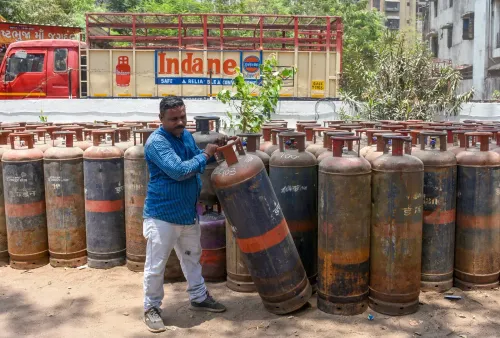
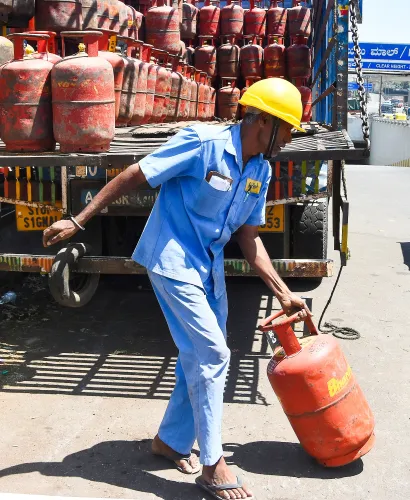
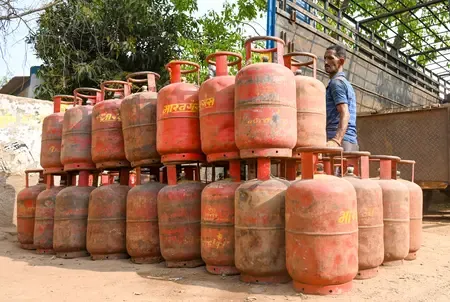
Kolkata, March 11 (NationPress) A disruption in the supply of commercial LPG cylinders, prompted by global oil and gas supply challenges amidst escalating tensions in West Asia, is now affecting roadside eateries and small restaurants throughout Kolkata. This situation has compelled many to increase food prices, while others are facing the threat of permanent closure.
In addition to the rising cost of domestic cooking gas, limitations have been enforced on the distribution of commercial LPG, prioritizing crucial establishments like schools and hospitals. Consequently, numerous hotels and restaurants are struggling to obtain commercial gas cylinders.
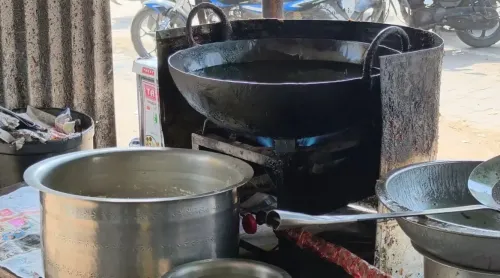
The most severely impacted are the small roadside eateries and food stalls scattered across the city. The lack of commercial LPG cylinders has led some to temporarily cease operations, while others have opted to raise food prices to manage the escalating costs.
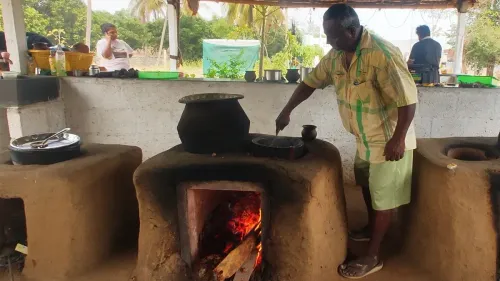
Faced with supply uncertainty, many small businesses are contemplating a return to traditional methods of cooking, such as coal or charcoal stoves. However, the surge in food prices is also raising concerns among patrons.
From Kolkata’s bustling food hub at Dacres Lane to popular dining spots in Park Circus, similar worries are surfacing. Restaurant owners in busy commercial locales, including Park Street, Golpark, Chandni, Dalhousie, Esplanade, Camac Street, Exide Crossing, and Minto Park, are expressing their anxieties.
Bubai Pandit, the manager of the renowned Chitta Da’s eatery on Dacres Lane, warned that if the shortage persists, the situation could escalate into a crisis. “If this continues, we may have to shut down the business. Gas prices are rising daily and supplies are dwindling. The more the conflict escalates, the higher the prices seem to climb. Our future is uncertain,” he stated.
Another fast-food owner in Dacres Lane echoed similar fears, mentioning that commercial cylinders have started appearing on the black market at inflated prices. “Soon, they may not even be available there. I’m unsure how we will cope. Switching back to charcoal cooking is not a simple task,” he lamented.
The repercussions of this shortage are also being felt around Sealdah, one of Kolkata’s busiest railway stations, where numerous small “rice hotels” provide daily meals for thousands of workers and commuters. One hotel owner noted that the rising costs of essential goods had already strained their budget, and the gas shortage has further complicated matters.
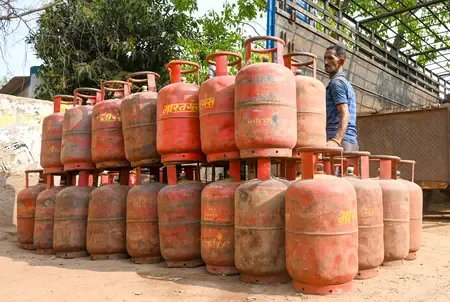
Currently, the cost of a 19 kg commercial LPG cylinder is nearing Rs 2,000. As these cylinders are widely utilized in hotels and restaurants, any price increase directly impacts food costs, ultimately affecting consumers.
Restaurant owners have reported that the issue has worsened recently, with distributors unable to deliver even half the usual number of cylinders. Many small and medium-sized eateries are concerned that conditions could deteriorate further in the days to come if supplies do not improve.
An owner of a roadside eatery in Dalhousie Square mentioned that the price hike has forced them into tough decisions. “Gas prices have surged, and we must buy in bulk. To survive, we either need to increase food prices or reduce portion sizes,” he explained.
Meanwhile, worries about a potential shortage have resulted in long lines at LPG distribution centers, as many consumers rush to update their KYC details, fearing that failure to do so might disrupt their access to cooking gas cylinders.
Point of View
This situation highlights the vulnerabilities of small businesses during global crises. As roadside eateries struggle with rising costs and supply shortages, the community's access to affordable food is at stake, raising questions about the sustainability of local economies.
NationPress
3 Oct 2026
Frequently Asked Questions
What caused the LPG shortage in Kolkata?
The LPG shortage in Kolkata is primarily due to disruptions in global oil and gas supplies amidst escalating tensions in West Asia.
How has the LPG shortage impacted local eateries?
Local eateries are facing increased food prices and some have temporarily closed due to the unavailability of commercial LPG cylinders.
What are restaurant owners considering in response to the shortage?
Many restaurant owners are contemplating a return to traditional cooking methods using coal or charcoal stoves due to the LPG supply issues.
What are the current prices of commercial LPG cylinders?
The price of a 19 kg commercial LPG cylinder is currently nearing Rs 2,000.
Are there any signs of improvement in LPG supply?
Currently, the supply situation is dire, with distributors unable to fulfill even half of the usual demand, raising concerns among small and medium-sized eateries.