Maharashtra FDA fines Blinkit ₹11 lakh, suspends Zepto licence
Synopsis
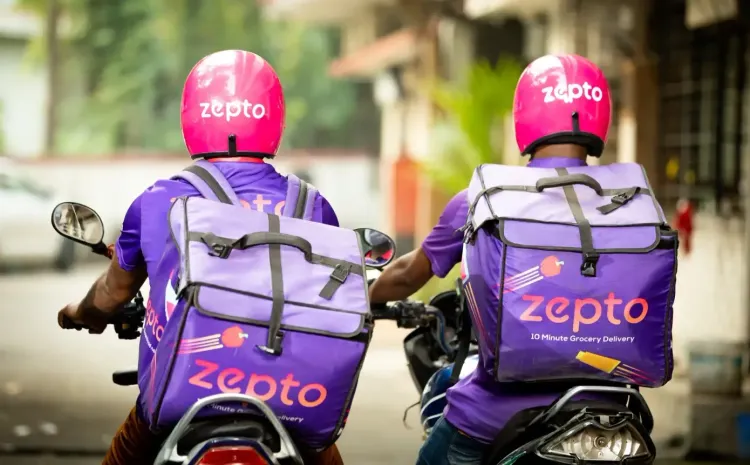
Inspectors reportedly found live cockroaches, expired stock and broken cold storage at a Zepto dark store in Mumbai, and its licence was suspended immediately. Blinkit was fined ₹11 lakh in Amravati and a Big Basket warehouse also lost its licence. Maharashtra's FDA has taken direct action against the dark stores behind 10-minute grocery delivery.
Key Takeaways
Maharashtra FDA imposed a ₹11 lakh penalty on five respondents linked to a Blinkit outlet in Rathi Nagar, Amravati , for operating without a licence.
The fine comprises ₹10 lakh for operating unlicensed and ₹1 lakh for not complying with the Food Safety Officer's directions.
Zepto's dark store on Saki Vihar Road, Sakinaka had its licence suspended from 25 November after a 23 November inspection.
Inspectors reportedly found live cockroaches, expired stock mixed with saleable goods, and inconsistent cold storage temperatures.
A Big Basket warehouse in Navi Mumbai also had its food licence suspended.
Maharashtra's Food and Drug Administration (FDA) has fined a Blinkit outlet in Amravati and suspended the food licences of a Zepto dark store in Mumbai and a Big Basket warehouse in Navi Mumbai for violating food safety regulations. The actions, made public on 26 November, are a significant enforcement step by the state regulator against three of India's best-known quick-commerce and online grocery platforms.
The penalties range from a ₹11 lakh fine for running a food business without a licence to an immediate licence suspension after inspectors reportedly found live cockroaches and expired stock mixed with saleable products.
Blinkit Outlet Fined ₹11 Lakh in Amravati
In the Amravati division, the FDA's adjudicating officer imposed a total penalty of ₹11 lakh on five respondents linked to Blinkit's establishment in Rathi Nagar. They include the manager and four directors of the establishment. The charge was operating a food business without a licence.
The case began with an inspection on 15 July 2025. Food Safety Officer Gore found that the outlet had started operations without the mandatory licence. The matter was then referred to the court of the Joint Commissioner, FDA, Amravati.
The order breaks down into ₹10 lakh for operating without a licence and ₹1 lakh for failing to comply with the Food Safety Officer's directions. Under Section 31 of the Food Safety and Standards Act, 2006, every food business operator must obtain a licence or registration before starting operations.
Zepto Dark Store Licence Suspended in Sakinaka
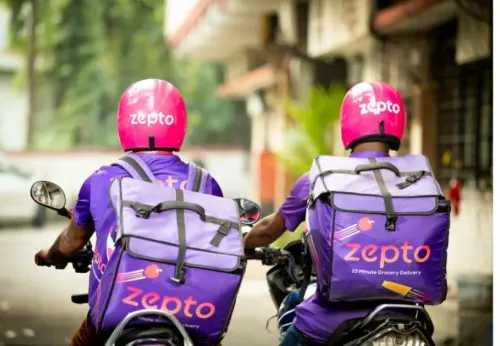
In a separate action that followed a complaint, the FDA suspended the food licence of Zepto Limited's dark store on Saki Vihar Road in Sakinaka, Andheri East. The suspension took effect immediately from 25 November. Inspectors had visited the facility, which is used to store and distribute food products, on 23 November.
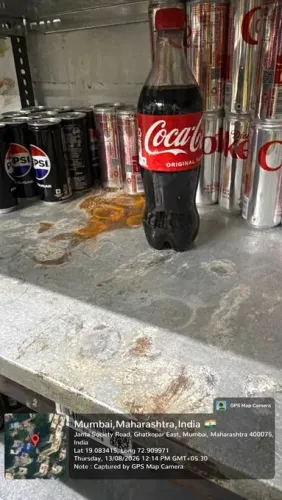
According to the regulator, the inspection found live cockroaches in storage areas, on racks and near food stock, which pointed to an active pest infestation. Expired, damaged and improperly packed products were found mixed with saleable stock. Food items were also stored on the floor and against walls.
Cold Chain and Hygiene Lapses Flagged
The FDA found that temperatures in the cold and frozen storage rooms were not consistently maintained, and the related records were incomplete. Vegetarian and non-vegetarian items were not properly segregated, and neither were food and non-food products.
The regulator also noted dust, cobwebs, leakage and waste in open bins. It found gaps in staff medical records, training documentation and food safety audit records. During the suspension, the store may not store or sell food products.
The Big Basket warehouse in Navi Mumbai also had its food licence suspended. The available details do not specify the violations found there.
Why the Crackdown Matters
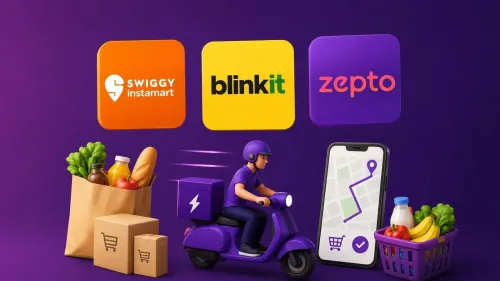
The action comes as quick-commerce platforms are expanding fast in Indian cities, relying on dark stores, which are small fulfilment centres located close to customers. Because these facilities are not open to shoppers, consumers usually cannot see the conditions in which their groceries are stored.
The findings at the Sakinaka store cover pest control, expiry management, cold storage and segregation. These are central to food safety for any operator that handles perishables at scale. The Amravati case shows that licensing compliance is also being enforced and not treated as a formality.
The next steps for the companies, including any appeal or corrective measures needed to restore the suspended licences, will indicate how closely state regulators plan to watch the quick-commerce sector.
Point of View
And the Sakinaka findings show what can suffer when speed comes first: pest control, expiry checks and the cold chain. The Blinkit case is just as revealing, because an outlet of a national brand allegedly began operating without even a basic licence, which suggests compliance did not keep pace with expansion. One-off penalties will not fix a structural problem. Regulators should consider mandatory third-party audits of dark stores, because consumers cannot inspect premises they never see. Platforms that want public trust should publish their hygiene audit results before regulators require them to.
NationPress
26 Nov 2026
Frequently Asked Questions
Why did Maharashtra FDA fine Blinkit?
Maharashtra FDA fined Blinkit's Rathi Nagar outlet in Amravati ₹11 lakh for operating a food business without a licence. The total includes ₹10 lakh for operating unlicensed and ₹1 lakh for not following the Food Safety Officer's directions.
Why was Zepto's Mumbai dark store licence suspended?
The FDA suspended the licence of Zepto's dark store in Sakinaka, Andheri East, after an inspection reportedly found live cockroaches, expired stock mixed with saleable products, and poorly maintained cold storage. The suspension took effect immediately from 25 November.
Can the suspended Zepto store sell food products?
No. The store is prohibited from storing and selling food products while the suspension is in force.
Which law requires food businesses to have a licence?
Section 31 of the Food Safety and Standards Act, 2006 requires food business operators to obtain a licence or registration before starting operations.
Was Big Basket also penalised by Maharashtra FDA?
Yes. The FDA suspended the food licence of a Big Basket warehouse in Navi Mumbai for food safety violations. Specific details of the violations there have not been detailed.