Meta apologises to IT Minister over PM Modi's Facebook post restriction
Synopsis
Meta's global affairs chief flew to New Delhi and personally apologised to India's IT Minister over the brief restriction of PM Modi's Facebook post — but the bigger story is what else was said in that room: the Indian government told Meta it may no longer qualify for safe harbour protections under the IT Act, and sources say Meta admitted paying to boost certain content. That is a potentially seismic legal and regulatory shift.
Key Takeaways
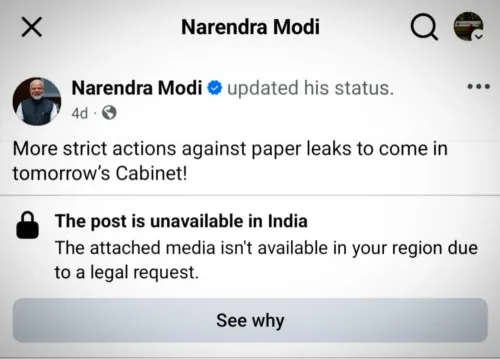
Meta Chief Global Affairs Officer Joel Kaplan apologised to IT Minister Ashwini Vaishnaw on 5 August over the temporary restriction of PM Modi's Facebook post.
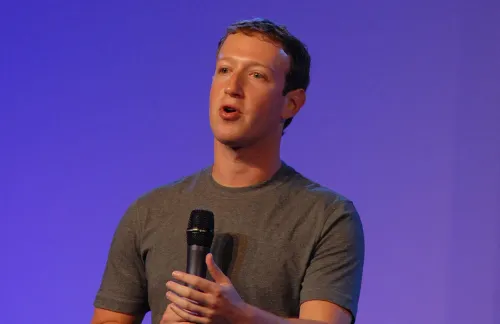
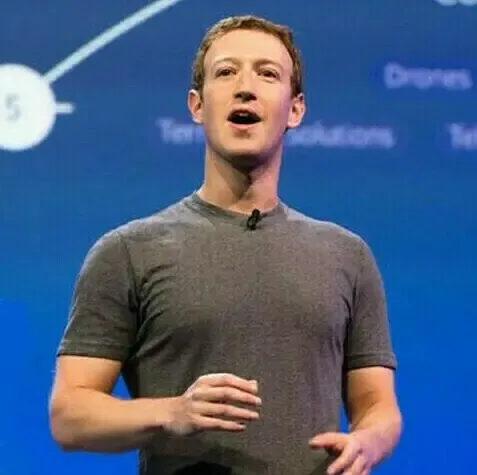
Meta CEO Mark Zuckerberg also reportedly expressed regret over the spread of CSAM , deepfake content, and platform shortcomings, according to government sources.
Indian officials warned Meta that its content-selection practices could place it outside the intermediary definition under the IT Act , stripping it of safe harbour protections.
Government sources claimed Meta admitted that money was paid for boosting certain types of content .
The Meta delegation also held prior discussions with IT Secretary S.
Krishnan before the ministerial meeting.
Meta on Wednesday, 5 August formally apologised to the Indian government for the temporary restriction of Prime Minister Narendra Modi's Facebook post, with the company's Chief Global Affairs Officer Joel Kaplan conveying regret directly to Union Electronics and Information Technology Minister Ashwini Vaishnaw during a high-level meeting in New Delhi. The apology marks a rare public acknowledgement of error by the social media giant toward the Indian government.
What Kaplan Said
'I apologised to the minister on behalf of Meta for the error restricting PM Modi's post,' Kaplan said in an official statement. He was part of a global Meta delegation that met Vaishnaw on Wednesday, during which the company acknowledged lapses in the functioning of its platforms. The delegation also held separate discussions with IT Secretary S. Krishnan ahead of the ministerial meeting.
Zuckerberg's Broader Apology
Earlier the same day, Meta CEO Mark Zuckerberg also reportedly apologised over the spread of child sexual abuse material (CSAM), deepfake content, and broader shortcomings in platform operations, according to government sources. Sources indicated that Zuckerberg acknowledged concerns raised by Indian authorities regarding the spread of objectionable and manipulated content, and expressed regret over what were described as errors in platform functioning.
Safe Harbour Warning
Government sources further stated that officials conveyed to Meta that its role in selecting and distributing content to users could place it outside the definition of a neutral intermediary under Indian law. According to these sources, officials made clear that 'safe harbour' protections under the Information Technology (IT) Act may not apply if a platform is found to be actively determining which content reaches users.
'It was made clear to them that they are not covered under the intermediary definition. They select who receives the content. Safe harbour under the IT Act not applicable. They admitted that a lot of money was paid for boosting certain types of content. They apologised and regretted the mistake,' sources said.
Wider Context and What It Means
The meeting comes amid heightened scrutiny of Meta's operations in India, with content moderation practices and platform accountability drawing increasing government attention. Notably, the safe harbour question is not new — regulators and courts have debated for years whether algorithmically curated platforms can claim the same protections as passive intermediaries. This confrontation signals that the Indian government is prepared to press that legal argument more forcefully. The outcome of these discussions could set a significant precedent for how global social media companies are regulated in India going forward.
Point of View
But the safe harbour warning is the story. India is signalling it may reclassify algorithmically curated platforms as active publishers rather than neutral conduits — a legal move that would fundamentally alter Meta's liability exposure in one of its largest markets. The admission, attributed to Meta by government sources, that money changed hands to boost content is explosive if verifiable; it collapses the intermediary defence entirely. Whether this translates into legislative action or remains a negotiating tactic will define the next chapter of India's platform regulation debate.
NationPress
20 Sept 2026
Frequently Asked Questions
Why did Meta apologise to the Indian government?
Meta apologised after its platform temporarily restricted a Facebook post by Prime Minister Narendra Modi. Chief Global Affairs Officer Joel Kaplan conveyed the apology directly to IT Minister Ashwini Vaishnaw during a meeting on 5 August in New Delhi.
What did Mark Zuckerberg apologise for?
According to government sources, Meta CEO Mark Zuckerberg expressed regret over the spread of child sexual abuse material (CSAM), deepfake content, and broader lapses in platform operations during discussions with Indian officials on the same day.
What is the safe harbour issue raised by the Indian government?
Indian officials told Meta that platforms which actively select and distribute content to users may not qualify as neutral intermediaries under the Information Technology Act, and therefore may not be entitled to safe harbour protections that shield platforms from liability for user-generated content.
What did government sources claim Meta admitted during the meeting?
Government sources stated that Meta admitted money was paid for boosting certain types of content on its platform, which officials argued further undermines its claim to intermediary status under Indian law. Meta has not independently confirmed this claim.
What happens next after this meeting?
The discussions are expected to influence how India frames future platform accountability regulations. If the government pursues the safe harbour argument legally or legislatively, it could set a precedent affecting all major social media companies operating in India.