Indian pharma cos face minimal US tariff impact, analysts say
Synopsis
Trump's 100–200% tariff threat on generic drug imports sounds alarming, but analysts say India's 40–60% manufacturing cost edge, a two-year duty-free runway until 2028, and the near-impossibility of replicating US pharma capacity quickly mean Indian exporters are far better shielded than the headline numbers suggest.
Key Takeaways
US President Donald Trump announced phased tariffs on imported generic drugs — 100 per cent rising to 200 per cent — effective from 2028 , with a duty-free window until 1 August 2026 .
Analysts at Motilal Oswal Financial Services expect minimal impact on Indian pharma companies supplying the US market.
India holds a 40–60 per cent lower manufacturing cost advantage over the US, which tariffs would not fully offset.
The US imports ~90 per cent of its generic prescriptions, meaning tariff pressure is spread across all global suppliers, not India alone.
India exported $9.7 billion in pharmaceuticals to the US in FY2024–25 , making up 38 per cent of its total global pharma exports.
Building a compliant US pharma plant takes at least 2 years plus 12–15 months for inspection and product approval, limiting reshoring viability.
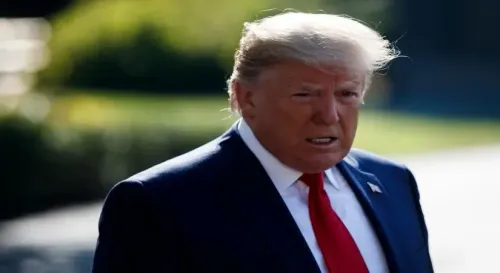
Indian pharmaceutical companies supplying generic medicines to the United States are likely to face minimal disruption from US President Donald Trump's planned tariffs on imported generic drugs, analysts said on Wednesday, 22 July. The assessment comes after Trump announced a phased tariff structure that would keep generic drug imports duty-free for two years from 1 August 2026, before imposing duties of 100 per cent and subsequently 200 per cent, as part of a broader push to relocate pharmaceutical manufacturing to American soil.
Why Analysts See Limited Damage
Tushar Manudhane, Senior Vice President and Institutional Research Analyst for Healthcare at Motilal Oswal Financial Services, outlined several structural reasons why Indian pharma stands relatively insulated. First, many Indian companies operate US-based subsidiaries, and the tariff is applied at the transfer price — the price at which goods enter the US market — rather than the final retail price, creating a buffer.
Second, and critically, the US imports approximately 90 per cent of its generic prescription medicines. This means any tariff burden falls on virtually all suppliers globally, not on Indian exporters alone. 'It is not India-specific,' Manudhane noted.
India's Cost Advantage Remains Intact
The economics of offshoring pharmaceutical production to India rest on a 40–60 per cent lower manufacturing cost compared to the US. According to Manudhane, even after accounting for proposed tariff levels, that cost differential would not be fully eroded. 'Tariff implementation would still fall short and would not lower this advantage of low-cost manufacturing from India,' he explained.
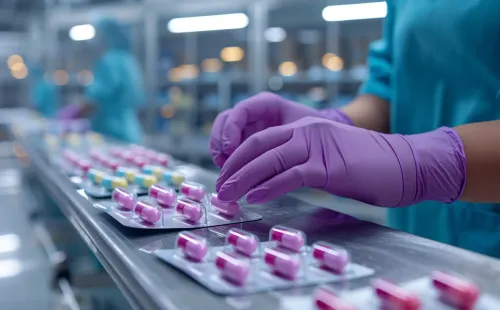
This structural cost gap is compounded by the practical barriers to building new US manufacturing capacity. Establishing a compliant pharmaceutical plant in the US takes at least two years, after which the facility must pass regulatory inspection and complete a product approval cycle of 12–15 additional months — a timeline that pushes any meaningful domestic competition well beyond the tariff window.
India's Pharma Export Footprint in the US
The stakes are considerable. India is widely regarded as the 'pharmacy of the world', supplying generic medicines to nations across the globe. In the US market specifically, Indian generics account for nearly 40 per cent of total prescription volume. In financial year 2024–25, India exported $9.7 billion worth of pharmaceuticals to the US, representing 38 per cent of its total global pharma exports of $25.8 billion, according to data from the Global Trade Research Initiative.
What Trump's Tariff Plan Actually Says
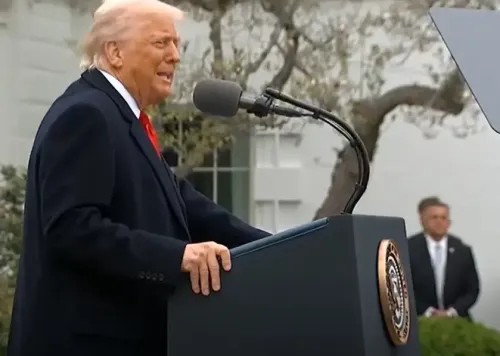
Trump's announcement provides overseas generic drug manufacturers a two-year duty-free window beginning 1 August 2026 to either establish US production or prepare for steep import duties. The phased structure — rising from zero to 100 per cent and then to 200 per cent — is framed by the administration as an incentive for drugmakers to invest in American facilities rather than an immediate punitive measure.
Notably, the effective tariff kick-in date of 2028 gives Indian companies and global generic manufacturers meaningful lead time to assess their options, though analysts argue the economics of reshoring remain unfavourable even with that runway.
Outlook for Indian Pharma
The consensus among analysts is that the structural advantages India holds — cost efficiency, established regulatory track records with the US Food and Drug Administration (FDA), and deep manufacturing scale — are unlikely to be neutralised by the proposed tariff regime within the foreseeable future. The next critical marker will be whether the Trump administration proceeds with the tariff schedule as announced or adjusts terms following industry lobbying expected over the two-year window.
Point of View
Regulatory cycles, and a workforce pipeline that the US currently lacks at scale. India's pharma sector has spent decades building FDA-compliant capacity; that institutional depth cannot be replicated in two years. The real risk for Indian exporters is not the 2028 tariff itself but the possibility of mid-course policy changes or retaliatory procurement shifts that fall outside the current announcement. Mainstream coverage has focused on the headline tariff rates; the more important number is the 90 per cent US import dependency on generics — a structural reality that limits how aggressively Washington can actually move without raising domestic drug prices sharply.
NationPress
22 Jul 2026
Frequently Asked Questions
What are Trump's proposed tariffs on generic drugs imported into the US?
US President Donald Trump has announced a phased tariff structure under which imported generic medicines will remain duty-free for two years from 1 August 2026, after which tariffs of 100 per cent and subsequently 200 per cent will apply. The plan is designed to push pharmaceutical companies to build manufacturing facilities in the United States.
Why is the impact on Indian pharma companies expected to be minimal?
Analysts point to three main buffers: India's 40–60 per cent lower manufacturing cost compared to the US (which tariffs would not fully erase), the fact that the US imports roughly 90 per cent of its generic prescriptions (making the tariff burden global, not India-specific), and the practical difficulty of setting up new US plants within the two-year window. Together, these factors limit the competitive damage to Indian exporters.
How significant is India's pharma trade with the United States?
India exported $9.7 billion worth of pharmaceuticals to the US in financial year 2024–25, accounting for 38 per cent of its total global pharma exports of $25.8 billion, according to data from the Global Trade Research Initiative. Indian generics account for nearly 40 per cent of total US prescription volume.
Could US companies simply build new factories to replace Indian generics?
It is unlikely to happen quickly. Establishing a compliant pharmaceutical manufacturing plant in the US takes at least two years, followed by a regulatory inspection and product approval cycle of 12–15 additional months. This timeline makes it economically and practically difficult to replace Indian supply within the tariff window.
When will Trump's generic drug tariffs actually take effect?
The tariffs are set to take effect from 2028. Imported generic medicines will remain tariff-free from 1 August 2026 for two years, giving overseas manufacturers a window to either invest in US production or prepare for the phased duty increases.