How is Morbi Becoming the Global Ceramic Hub Contributing 90% of India's Exports?
Synopsis
Discover how Morbi district in Gujarat is transforming into a global ceramic powerhouse, accounting for 90% of India's ceramic exports. With a rich history and modern advancements, Morbi's journey showcases innovation and industrial strength ahead of the Vibrant Gujarat Regional Conference.
Key Takeaways
Morbi accounts for 90% of India's ceramic exports.
It houses around 1,200 ceramic units.
The annual production capacity is nearly six million tonnes.
Employment generation exceeds 900,000 people.
Government initiatives support industrial growth and sustainability.
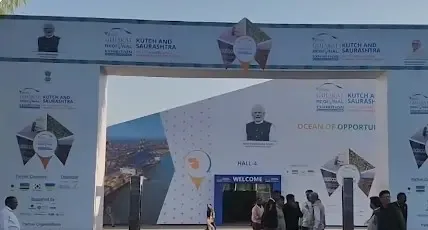
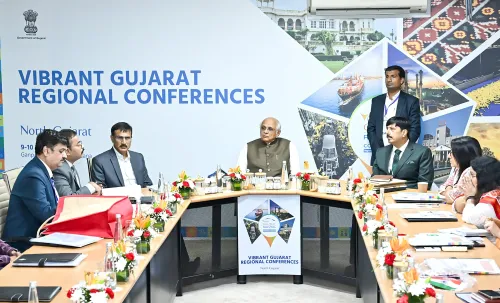
Gandhinagar, Jan 5 (NationPress) Gujarat is gearing up for the second edition of the Vibrant Gujarat Regional Conference (VGRC) Kutch–Saurashtra, which will take place in Rajkot on January 11 and 12.
Morbi district has emerged as a key player in this conference, solidifying its role as the core of India's ceramic industry.
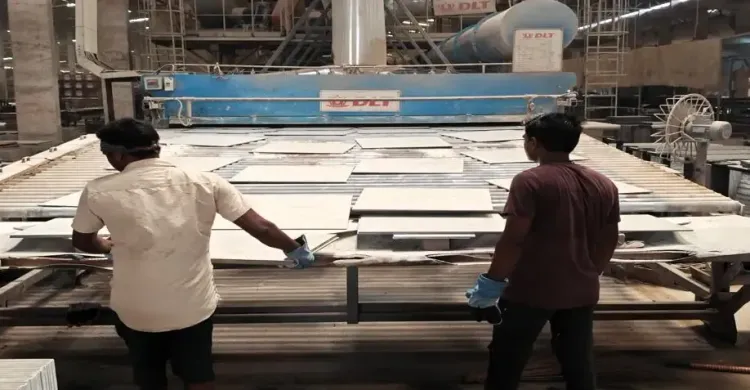
Currently, Morbi is responsible for nearly 90 percent of India's ceramic production and exports, establishing itself as the country's leading ceramic hub and the second-largest ceramic manufacturing cluster in the world.
Beginning with traditional pottery, the district has transformed into a globally competitive industrial center, exporting ceramic products worldwide.
Morbi's industrial evolution illustrates a shift from tradition to modern technology.
Initially recognized for its conventional pottery, producing items like earthen lamps, pots, roof tiles, and household utensils, the quality of local clay and artisan skills gave Morbi's products a unique character.
The growth of the wall clock industry further boosted the district's manufacturing landscape.
A significant transformation occurred in the 1970s and 1980s with the introduction of roof and glazed tiles.
Over the years, the adoption of advanced machinery, modern technology, and an entrepreneurial spirit has turned Morbi into a contemporary ceramic powerhouse.
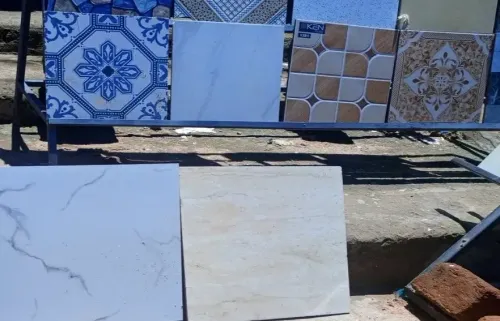
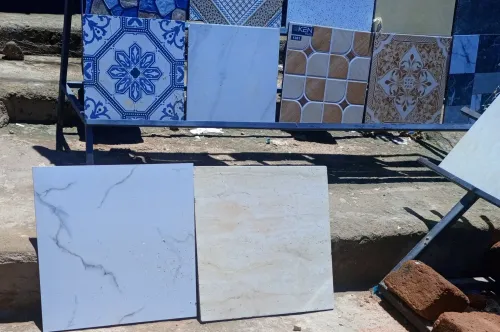
Today, the district is renowned globally for its floor tiles, wall tiles, and vitrified tiles, catering to both domestic and international markets.
At the upcoming VGRC in Rajkot, the Morbi ceramic cluster will be presented as a special zone.
Exhibitions will feature advanced ceramics, value-added products, energy-efficient technologies, and developments in forthcoming ceramic parks.
The state government has been actively promoting the sector through initiatives aimed at technology upgrades, automation, renewable energy adoption, waste recycling, and enhanced logistics infrastructure.
The combined effects of supportive government policies and the diligent efforts of Morbi's industrial community have made the district a symbol of Gujarat's industrial prowess.
Morbi's ceramic cluster is estimated to comprise around 1,200 ceramic units with an annual production capacity of nearly six million tonnes.
This industry provides both direct and indirect employment to nearly 900,000 people, marking it as one of the largest employment-generating manufacturing hubs in Gujarat.
Over the last two years, Morbi has received significant financial support through various state government programs.
More than 2,200 beneficiaries have been assisted with financial aid exceeding Rs 115 crore.
These initiatives have bolstered self-employment, industrial growth, and economic self-reliance, significantly contributing to the district's social and economic empowerment.
Morbi plays a vital role in India's export economy.
For the fiscal year 2024–25, ceramic exports from Morbi are projected to reach around Rs 15,000 crore.
Remarkably, the district contributes nearly 80 to 90 percent of India's total ceramic exports.
Products manufactured in Morbi are exported to various countries, including the United States, France, Germany, Oman, and Sri Lanka, enhancing the global reputation of the “Made in India – Made in Gujarat” brand.
In addition to ceramics, Morbi is also making strides in the polypack industry.
The district is home to approximately 150 polypack woven product units, which produce nearly 500,000 metric tonnes annually, with an estimated turnover of Rs 5,500 crore.
This sector employs around 15,000 to 20,000 people and is set to establish Morbi as one of Gujarat's leading polypack manufacturing districts.
Morbi also leads in India's wall clock manufacturing sector.
With around 150 to 200 wall clock and gift article units, the district holds the largest share of wall clock production in the country.
This industry employs about 10,000 to 12,000 individuals, with nearly 60 percent being women, emphasizing Morbi's commitment to promoting inclusive industrial growth.
Point of View
Morbi's evolution stands as a testament to India's industrial capabilities. The district's commitment to innovation and self-reliance resonates with the nation's growth narrative. As we support local industries, we not only boost the economy but also foster a sense of pride in 'Make in India'.
NationPress
30 Sept 2026
Frequently Asked Questions
What percentage of India's ceramic exports does Morbi contribute?
Morbi contributes nearly 80 to 90 percent of India's total ceramic exports.
How many ceramic units are located in Morbi?
Morbi is estimated to house around 1,200 ceramic units.
What is the annual production capacity of ceramics in Morbi?
The annual production capacity of ceramics in Morbi is nearly six million tonnes.
How many people does the ceramic industry in Morbi employ?
The ceramic industry in Morbi provides direct and indirect employment to nearly 900,000 people.
What initiatives has the government taken to support Morbi's ceramic industry?
The government has focused on technology upgrades, automation, renewable energy adoption, waste recycling, and enhanced logistics infrastructure.