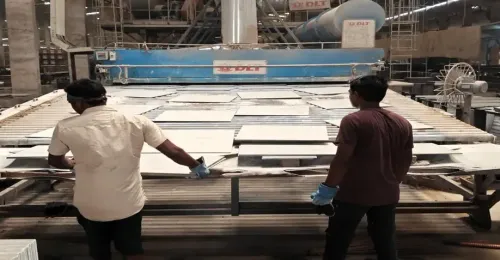
Morbi ceramic units surge from 83 to 670+ as Gujarat secures gas supply amid West Asia crisis
Synopsis
Just six weeks after the West Asia conflict reduced Morbi's iconic ceramic cluster to a skeleton of 83 operational units, Gujarat Energy Limited's pivot to non-Middle East gas sources has brought more than 670 factories back online — an eightfold recovery that doubles as a live stress-test of India's industrial gas infrastructure under geopolitical pressure.
Key Takeaways
Operational ceramic units in Morbi, Gujarat rose from 83 on 31 March to over 670 by 17 May 2025 — an eightfold increase in six weeks.
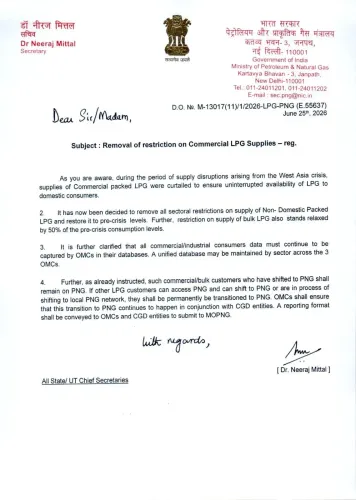
Gujarat Energy Limited (GEL) sourced natural gas from outside the Middle East, on Centre 's directives, to maintain uninterrupted PNG supply during the West Asia crisis .
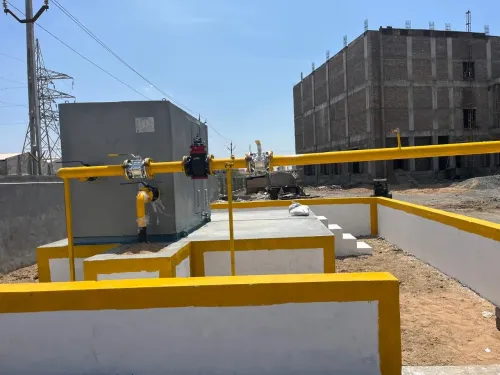
Around 865 industrial units are connected to the GEL-PNG pipeline network in the Morbi region.
Between 1 March and 17 May , GEL added approximately 40,000 domestic PNG connections , 13,000 reconnections , and 500 commercial connections .
All CGD companies in Gujarat together provided around 85,000 domestic and 1,100 commercial PNG connections in the same period.
GEL provided 110 PNG connections to essential service institutions including hospitals, schools, and community kitchens.
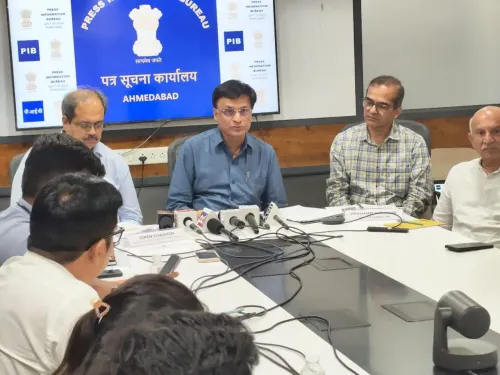
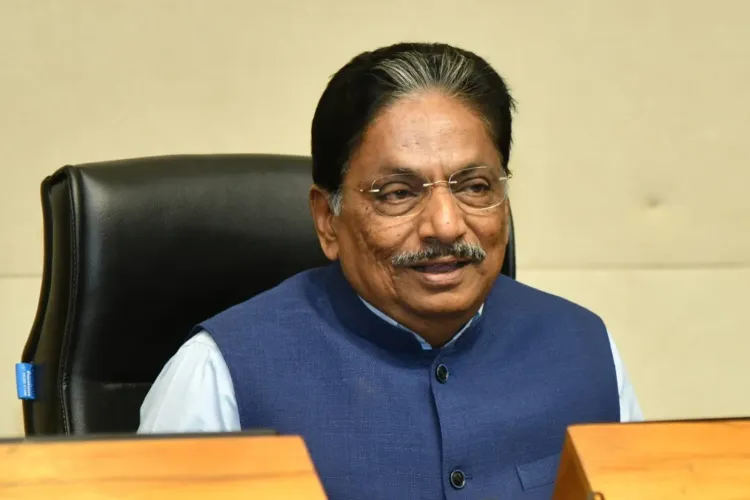
More than 670 ceramic manufacturing units in Gujarat's Morbi cluster have resumed operations within six weeks, recovering sharply from a near-shutdown triggered by the West Asia conflict that had forced large sections of India's largest ceramic hub to halt production. State Energy Minister Rushikesh Patel announced the turnaround on Tuesday, 19 May, crediting a diversified gas sourcing strategy by Gujarat Energy Limited (GEL) — formerly Gujarat Gas Limited — for stabilising supply and prices.
From 83 Units to 670: The Recovery Timeline
As of 31 March, only 83 ceramic units were operational in the Morbi region. By 17 May, that number had climbed past 670 — an eightfold increase in roughly six weeks. The crisis had peaked in the second fortnight of March, when geopolitical tensions in West Asia drove up raw material costs, triggered restrictions on industrial propane use, and inflated transportation expenses, prompting many manufacturers to voluntarily suspend operations.
How GEL Stabilised the Supply Chain
Acting on directives from the Centre, GEL procured natural gas from markets outside the Middle East to maintain uninterrupted piped natural gas (PNG) supply. The company held extensive consultations with stakeholders, including the Morbi Ceramic Association, to coordinate a phased restart. “By utilising its diversified sourcing strategy, GEL assured uninterrupted gas supply along with price certainty for industrial consumers for the month of May,” Minister Patel said. He added that around 865 industrial units are currently connected to the GEL-PNG pipeline network.
Broader PNG Expansion During the Crisis Period
Beyond industrial supply, GEL expanded gas connectivity across domestic and commercial segments between 1 March and 17 May. The company added approximately 40,000 domestic PNG connections, around 13,000 reconnections, and 500 commercial connections during this period. Across all City Gas Distribution (CGD) companies in Gujarat, the combined additions stood at roughly 85,000 domestic and 1,100 commercial connections in the same window.
Essential Services Prioritised
GEL also prioritised PNG connections for hospitals, hostels, community kitchens, industrial canteens, schools, and colleges — providing around 110 connections to essential service institutions. All CGD companies in Gujarat together covered 225 such connections in the essential category. The company additionally facilitated connections for employee canteen facilities inside manufacturing units to support the wider industrial ecosystem.
What This Means for Morbi and Gujarat's Industrial Resilience
Morbi accounts for a significant share of India's ceramic tile and sanitaryware output, making its recovery a bellwether for the broader manufacturing sector's ability to absorb global supply shocks. This episode marks one of the most acute gas-supply stress tests Gujarat's industrial infrastructure has faced in recent years. Officials stated that GEL's response demonstrated the resilience of the state's gas network and its capacity to pivot sourcing under pressure. The government has signalled that GEL will continue expanding domestic PNG coverage and reinforcing supply security going forward.
Point of View
Concrete data point in an otherwise abstract debate about India's energy security. That a single state utility could pivot gas sourcing away from a conflict zone and restore eightfold industrial capacity in six weeks is notable — but it also reveals how exposed the cluster was to a single supply corridor. Morbi's near-shutdown in March should prompt a harder look at whether India's other industrial clusters, many of which depend on similarly concentrated gas or feedstock routes, have comparable contingency infrastructure. The GEL response was reactive and effective; the policy question is whether it can be made proactive and systemic.
NationPress
24 Sept 2026
Frequently Asked Questions
Why did Morbi's ceramic units shut down during the West Asia crisis?
The West Asia conflict drove up raw material costs, restricted the use of industrial propane, and increased transportation expenses, making operations unviable for many manufacturers. As a result, a large number of ceramic units in Morbi voluntarily halted production during the second fortnight of March, with only 83 units remaining operational by 31 March.
How did Gujarat Energy Limited restore gas supply to Morbi?
GEL procured natural gas from markets outside the Middle East, acting on directives from the Centre, to bypass supply disruptions caused by the West Asia conflict. The company also held consultations with stakeholders including the Morbi Ceramic Association and offered price certainty for industrial consumers for May, enabling a phased restart of operations.
How many ceramic units are now operational in Morbi?
More than 670 ceramic manufacturing units were operational in Morbi by 17 May 2025, up from just 83 on 31 March — an eightfold recovery achieved in approximately six weeks.
How many PNG connections did GEL add during the crisis period?
Between 1 March and 17 May 2025, GEL added approximately 40,000 domestic PNG connections, around 13,000 reconnections, and 500 commercial connections. It also provided 110 connections to essential service institutions such as hospitals, schools, and community kitchens.
What is the significance of Morbi's ceramic cluster for India?
Morbi is one of India's largest ceramic manufacturing hubs, producing a significant share of the country's tile and sanitaryware output. Its rapid recovery from a near-shutdown is seen as a test of Gujarat's industrial gas infrastructure and its ability to absorb global geopolitical supply shocks.