MoSPI, Ashoka University sign MoU on data governance, research
Synopsis
MoSPI has signed an MoU with Ashoka University covering faculty exchanges, joint research and short-term courses. Secretary Saurabh Garg said the partnership should go beyond training to include communicating research findings, signalling a push to make official statistics more collaborative and accessible.
Key Takeaways
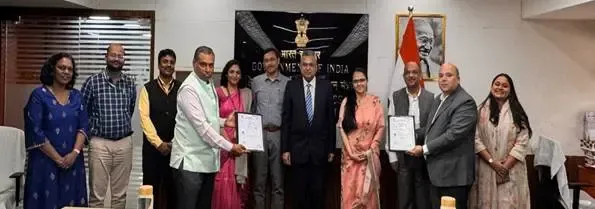
MoSPI and Ashoka University signed an MoU in New Delhi on 27 November 2026 .
The MoU was signed by R.
Rajesh of MoSPI and Registrar Sachin Sharma of Ashoka University.
MoSPI Secretary Saurabh Garg called for a collaboration framework that includes effective communication of research findings.
The partnership covers faculty exchanges, joint research, shared publications, seminars and workshops.
Customised short-term programmes in statistics and data governance are also planned.
The Ministry of Statistics and Programme Implementation (MoSPI) and Ashoka University signed a memorandum of understanding (MoU) in New Delhi on Friday, 27 November 2026. The agreement aims to deepen collaboration in research, training, data governance and capacity building to strengthen India's statistical ecosystem. It brings a central ministry and a private academic institution into a structured partnership focused on statistics and evidence-based policymaking.
Key Developments
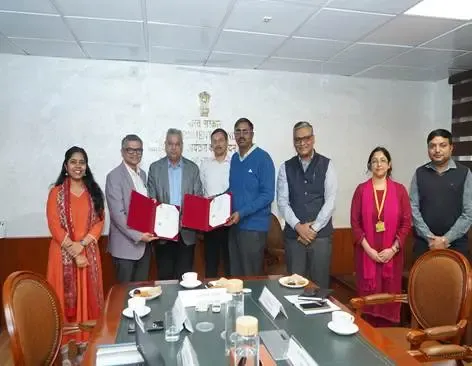
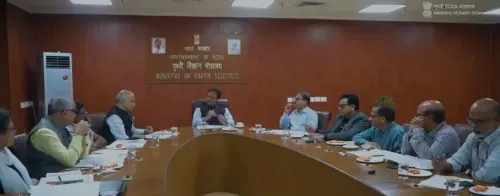
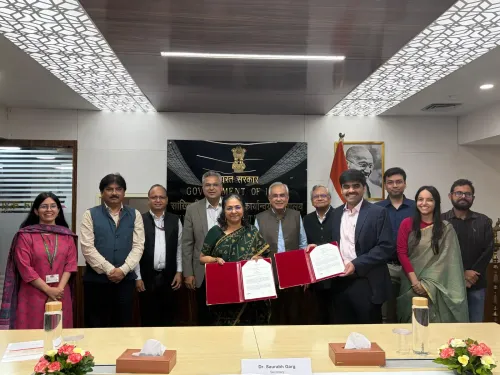
The MoU was signed in the national capital in the presence of MoSPI Secretary Saurabh Garg, Director General (Data Governance) Purnendu Kishore Banerjee, Ashoka University Dean Prachi Mishra and other senior officials.
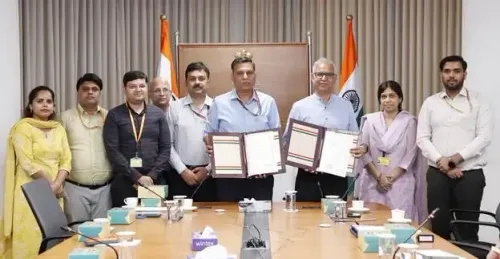
R. Rajesh, Additional Director General of MoSPI's Capacity Development Division, signed on behalf of the ministry. Sachin Sharma, Registrar of Ashoka University, signed for the university.
According to the official statement, “The Ministry of Statistics and Programme Implementation (MoSPI) and Ashoka University signed a Memorandum of Understanding (MoU) in New Delhi on 27th November 2026.”
What the Government Said
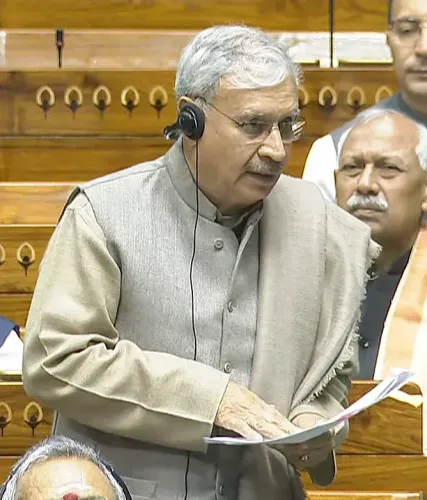
Speaking at the event, Garg stressed the need for an overarching framework for collaboration. He said it should go beyond training and applied research to include effective communication of research findings.
He added that the partnership would help build a coherent and integrated approach to data management and governance. Garg also said it would foster greater synergy between government institutions and academic organisations to promote innovation and strengthen the country's statistical system.
The ministry said in its statement, “These initiatives are expected to facilitate mutual exchange of knowledge, expertise and ideas in emerging areas of statistics and data governance, while encouraging research and the development and adoption of innovative statistical methodologies.”
Scope of the Partnership
The MoU provides for cooperation in several areas:
- faculty exchanges and exposure visits
- collaborative research projects
- sharing of academic resources and publications
- joint seminars, conferences and workshops
The agreement also envisages customised short-term academic programmes. These are meant to build knowledge and skills in statistics, data governance and related fields.
According to the ministry, the collaboration should support the development and adoption of innovative statistical methodologies. It is also expected to encourage research in emerging areas of the discipline.
Why It Matters
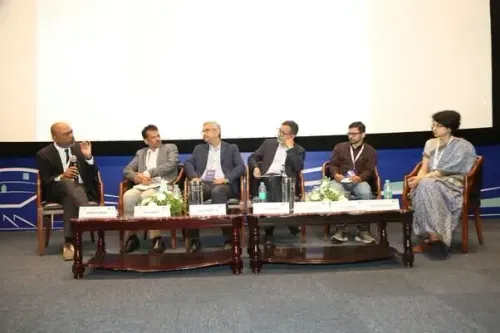
Reena Singh, Deputy Director General at the National Statistical Systems Training Academy (NSSTA), moderated the event. She said the partnership would create a strong foundation for bringing together institutions with a common objective of advancing knowledge. She added that it would strengthen institutional capacities for evidence-based policymaking.
Notably, the ministry framed the agreement around communication as well as research and training. Garg's remarks suggest it wants findings to reach users and policymakers beyond the academic and official circles that produce them.
Official statistics underpin decisions on welfare schemes, budgets and economic planning. That makes the capacity and credibility of the national statistical system a matter of wide public interest.
What Happens Next
The ministry has not yet announced specific programmes, research projects or timelines under the MoU. The first concrete outputs are likely to be joint workshops, faculty exchanges or short-term courses. How quickly those materialise will show how far the agreement shapes India's data governance capacity.
Point of View
Methodology and scrutiny, or remain ceremonial. Garg's emphasis on communicating research findings is the most interesting part of this MoU, because official data often reaches the public late and without explanation. Without published deliverables, timelines or measurable outcomes, this risks becoming one more signed document rather than a meaningful upgrade to India's data credibility.
NationPress
27 Nov 2026
Frequently Asked Questions
What is the MoSPI-Ashoka University MoU about?
It is an agreement to deepen collaboration in research, training, data governance and capacity building to strengthen India's statistical ecosystem. It was signed in New Delhi on 27 November 2026.
Who signed the MoSPI-Ashoka University MoU?
R. Rajesh, Additional Director General of MoSPI's Capacity Development Division, and Sachin Sharma, Registrar of Ashoka University, signed the MoU. MoSPI Secretary Saurabh Garg and Ashoka University Dean Prachi Mishra were present.
What areas of cooperation does the MoU cover?
The MoU covers faculty exchanges, exposure visits, collaborative research projects, sharing of academic resources and publications, and joint seminars, conferences and workshops. It also envisages customised short-term programmes in statistics and data governance.
Why does the MoSPI-Ashoka partnership matter?
According to the ministry, it is expected to encourage research and help develop and adopt innovative statistical methodologies. Officials said it would strengthen institutional capacity for evidence-based policymaking.