Projected Growth of MSMEs: 40% GDP Contribution by 2030
Synopsis
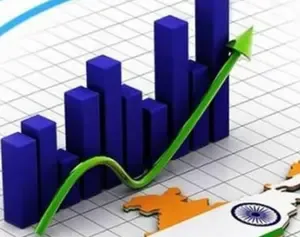
A recent report forecasts that MSMEs will account for 40% of India's GDP by 2030, up from 30%. The study emphasizes the need for increased formal funding and the adoption of digital systems to streamline operations and enhance creditworthiness.
Key Takeaways
MSMEs are expected to contribute 40% to India's GDP by 2030.
Total funding requirement for MSMEs is projected at Rs 162.92 trillion.
Formal credit availability is estimated at Rs 78.02 trillion.
95% of MSMEs currently operate informally.
Digital payment systems can improve MSME financial health.
New Delhi, April 4 (NationPress) A recent study reveals that the contribution of MSMEs to India's GDP is set to escalate to 40% by 2030, increasing from the current 30%.
According to the analysis by B2K Analytics, if the existing growth trend persists, India's GDP is anticipated to reach Rs 537.96 trillion by 2030, which would elevate the MSME sector's share to approximately Rs 215.18 trillion.
The funding needs of the MSME sector are projected to be around Rs 162.92 trillion by 2030, as noted in the report.
Of this total funding demand, the formal credit supply is expected to be Rs 78.02 trillion, with Rs 56.98 trillion sourced from priority sector lending, Rs 18.57 trillion from scheduled commercial banks, and Rs 2.46 trillion from non-banking financial companies (NBFCs).
It is estimated that an additional 30% of the funding shortfall will be filled by the capital of promoters, while 5% may come from informal sources, leaving an unmet requirement of approximately Rs 55.18 trillion by 2030.
“Our forecasts indicate robust long-term growth in the MSME sector's contribution to GDP. The growth in formal credit is expected to parallel this trend,” stated Ritaban Basu, the CEO of B2K Analytics.
He emphasized the need for expanding formal financing avenues to bridge the credit gap facing MSMEs.
The report also highlighted the importance of increasing credit penetration and creating innovative funding solutions to sustainably foster MSME expansion. It stressed that formalization is crucial, as around 95% of MSMEs currently operate informally, complicating lenders' ability to evaluate their creditworthiness.
Implementing GST returns could enhance transparency concerning MSMEs' business activities and financial status, the report suggested.
“Utilizing digital payment systems like UPI and online banking can establish a verifiable transaction history, allowing lenders to better assess financial stability. These systems also enhance cash flow management, granting MSMEs improved oversight of their finances while ensuring clear financial documentation,” the report indicated.
Moreover, digital payment platforms bolster credibility and improve access to priority sector lending and government initiatives. The report also advocated for equity-based financing options, such as SME IPOs on stock exchanges, enabling MSMEs to directly raise capital from the market.
As of February 2026, Maharashtra leads India in the number of MSMEs, boasting over 11 crore registered units. The state’s diverse industrial landscape, extensive urbanization, and robust infrastructure, particularly in major economic centers like Mumbai, Pune, and Nashik, contribute to this significant advantage.
aar/pk
Point of View
The anticipated growth of MSMEs is a promising sign for India's economy. However, addressing the funding gap and fostering formalization within this sector are essential steps to ensure sustainable development and credit accessibility.
NationPress
22 Oct 2026
Frequently Asked Questions
What is the expected contribution of MSMEs to India's GDP by 2030?
MSMEs are projected to contribute up to 40% of India's GDP by 2030.
How much funding do MSMEs need by 2030?
The total funding requirement for MSMEs is estimated at Rs 162.92 trillion by 2030.
What percentage of the funding gap is expected to be filled by promoters' capital?
An additional 30% of the funding gap is expected to be met through promoters' own capital.
Why is formal credit important for MSMEs?
Formal credit is crucial for MSMEs as it helps them secure necessary funds and enhances their creditworthiness.
What role does digital payment play for MSMEs?
Digital payment systems improve transaction transparency, enhance financial management, and increase MSMEs' access to funding.