India and France Revise Tax Treaty: Impact on French Investors and India's Tax Safeguards

Synopsis
A new tax treaty between India and France is set to significantly reduce dividend taxes for major French investors while also bolstering India's tax base. This agreement reflects a strategic partnership aimed at enhancing economic cooperation.
Key Takeaways
Tax Reduction: Dividend tax cut to 5% for holdings over 10%.
Tax Safeguards: Enhanced rights for India to tax certain transactions.
Strategic Partnership: Strengthening ties between India and France.
Modernized Framework: Aligning with international tax standards.
Investment Growth: Promoting greater collaboration and investment opportunities.
New Delhi, Feb 25 (NationPress) The overhaul of the three-decade-old tax agreement between India and France is set to reduce dividend taxes for major French corporations such as Sanofi, Renault, and L'Oreal, while also protecting India's tax revenue, according to a report.
The report from BBC indicated that the new treaty enhances New Delhi’s authority to tax specific transactions, including capital gains from share sales, even when a French entity holds less than 10% of an Indian firm.
"This adjustment could significantly benefit prominent firms like Sanofi, Renault, and L'Oreal, which have bolstered their investments in India in recent years," the report highlighted.
The updated treaty aligns the bilateral trade framework with India's current treaty policies and international tax standards, as noted by global consultancy and financial services firm KPMG.
Furthermore, it emphasizes India's commitment to safeguard its tax base while promoting a stable investment climate.
The revised agreement lowers the dividend tax to 5% for French companies that possess at least 10% in an Indian entity, while increasing the tax to 15% for holdings below that threshold.
The updated protocol has removed the most-favoured-nation clause, which permitted French entities to claim a reduced tax rate in India, further stated the report.
This protocol will become effective after both countries complete the necessary formalities and legal approvals.
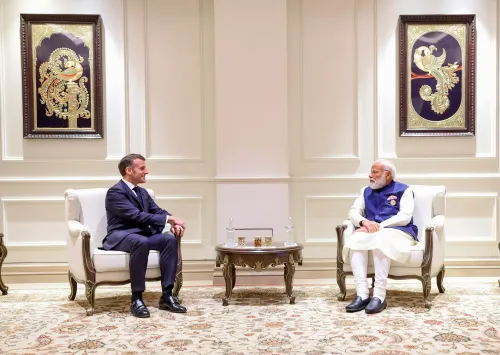
During French President Emmanuel Macron's visit to India, both nations declared the enhancement of their relationship to a "Special Global Strategic Partnership" and deepened collaboration in sectors like defense and space technology.
Moreover, the two countries asserted that the new tax agreement will secure economic activities for both French and Indian businesses, paving the way for increased investments and collaborations between them.
The protocol also modernizes the Exchange of Information provisions and introduces a new article on Assistance in Tax Collections, following international standards, according to a statement from the Finance Ministry.
This will facilitate a seamless exchange of information and reinforce mutual tax cooperation between India and France, it added.
The protocol also integrates the applicable provisions of the BEPS Multilateral Instrument (MLI) within the DTAC, which has already taken effect due to the signing and ratification of the MLI by both countries.
Frequently Asked Questions
What does the new tax treaty between India and France entail?
The revised treaty aims to lower dividend taxes for major French companies while enhancing India's rights to tax capital gains from certain transactions.
How will this impact French companies operating in India?
French companies such as Sanofi, Renault, and L'Oreal will benefit from reduced dividend taxes, encouraging further investment in India.
When will the new tax agreement take effect?
The protocol will come into effect once formalities and legal approvals are completed in both countries.
What are the implications for India's tax base?
The agreement is designed to safeguard India’s tax base while promoting stability in the investment environment.
What is the significance of the most-favoured-nation clause removal?
Removing this clause prevents French entities from claiming a lower tax rate in India, aligning the treaty with current policy standards.