NITI Aayog report: India can lead global caregiving, create skilled workforce
Synopsis
NITI Aayog has laid out a formal blueprint for turning India's caregiving workforce into a global export — backed by a proposed National Caregiving Policy and a National Caregiver Council. With ageing populations driving demand across developed economies, this report could mark the first serious government-level attempt to formalise and professionalise a sector that currently employs millions in near-invisible, unprotected conditions.
Key Takeaways
NITI Aayog released a report on 6 August calling for India to become a global leader in skilled, affordable caregiving.
The report recommends a National Policy on Caregiving and a National Caregiver Council to drive coordination and standards.
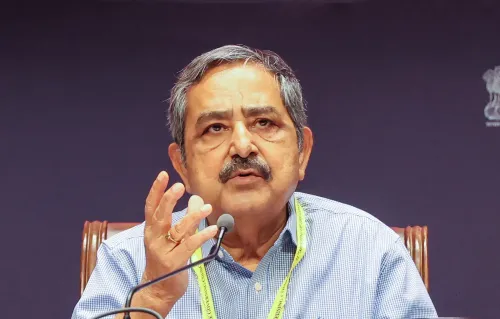
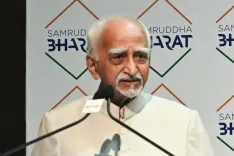
Ashok Kumar Lahiri , Vice Chairperson of NITI Aayog, said the global caregiving demand offers India an opportunity to unlock economic value and reinforce its soft power.
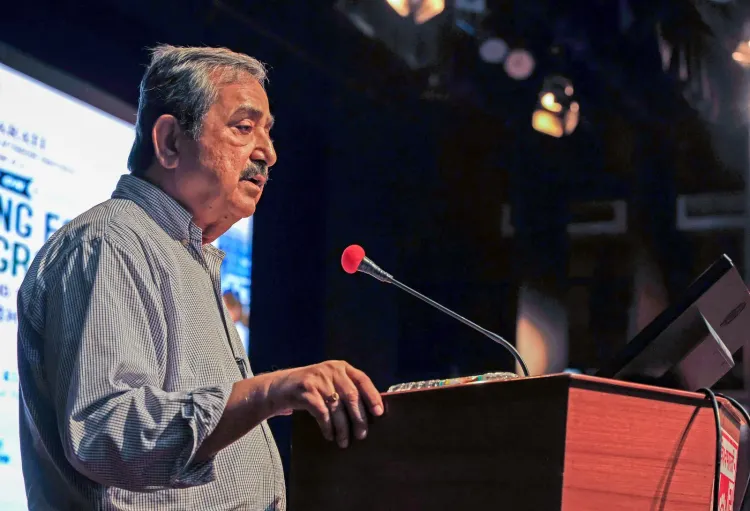
Dr R Balasubramaniam , NITI Aayog Member, linked a robust caregiving ecosystem to the Viksit Bharat 2047 vision.
Strategic pillars include policy reform, professional recognition, workforce development, global cooperation, and social security for caregivers.
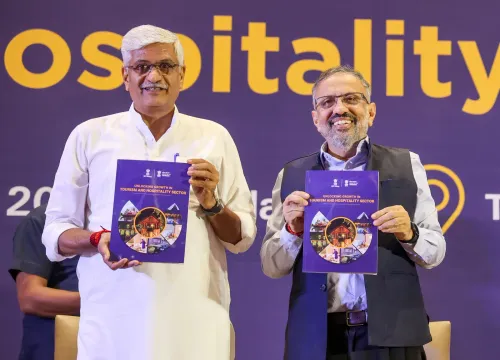
NITI Aayog has released a comprehensive report positioning India as a potential global leader in affordable, skilled caregiving, identifying an urgent need to build a trained caregiver workforce to meet both domestic demand and international opportunities. The report, published on 6 August, places caregivers at the centre of the care ecosystem and calls for recognising caregiving as a skilled, dignified, and valued profession.
Key Findings of the Report
The report outlines a roadmap for building an organised, professional, accessible, and future-ready caregiving system in India. It recommends a National Policy on Caregiving and the establishment of a National Caregiver Council to drive institutional convergence and workforce development. Recommendations span several strategic pillars — policy reform, professional recognition, workforce training, global cooperation, social security, and family and community-based care.
What NITI Aayog Leadership Said
Ashok Kumar Lahiri, Vice Chairperson of NITI Aayog, said the global demand for caregivers presents a unique opportunity to establish India as a world leader in traditional caregiving, unlock substantial economic value, generate employment, and reinforce India's cultural and knowledge-based soft power. He added that the report provides a comprehensive roadmap to strengthen institutional convergence and empower both family and professional caregivers.
Dr R Balasubramaniam, Member of NITI Aayog, noted that 'Seva and Samvedana' have always been at the heart of India's civilisational ethos, and that caregiving reflects these timeless values. He argued that a robust caregiving ecosystem would strengthen social inclusion, develop a caring society, empower communities, create quality livelihoods, and contribute significantly to the vision of Viksit Bharat at 2047.
India's Global Caregiving Opportunity
Ageing populations across developed economies — particularly in Japan, Germany, and the United States — have created a structural shortfall in caregiving capacity that India is well-placed to address. Indian caregivers already work in several Gulf and Southeast Asian markets, but the sector remains largely informal, unrecognised, and without standardised training or social security protections. This report is one of the first formal government-level frameworks to address that gap comprehensively.
Notably, the caregiving sector's potential aligns with India's broader skilling agenda under missions such as Skill India, offering a pathway for millions of workers — particularly women — to enter a globally portable profession with dignified terms.
What Comes Next
The report's recommendations, if adopted, would require inter-ministerial coordination across health, labour, external affairs, and skill development ministries. Industry bodies and civil society organisations working on elderly care, disability support, and child welfare are expected to engage with the proposed National Caregiver Council framework in the coming months. The extent to which these recommendations translate into policy action will determine whether India's caregiving potential is realised at scale.
Point of View
Structurally underpaid, and entirely outside the social security net. NITI Aayog's report is significant not because the opportunity is new, but because this is the first time a formal government body has framed it as a national strategic priority with institutional architecture to match. The real test is implementation: past skilling initiatives have struggled to convert training into verifiable, quality employment. If the proposed National Caregiver Council becomes another consultative body without enforcement teeth or funding commitments, the report risks remaining a well-intentioned document rather than a sector-transforming intervention.
NationPress
20 Sept 2026
Frequently Asked Questions
What does the NITI Aayog caregiving report recommend?
The report recommends establishing a National Policy on Caregiving and a National Caregiver Council to build an organised, professional, and future-ready caregiving ecosystem in India. It covers policy reform, workforce development, professional recognition, social security, and global cooperation.
Why does NITI Aayog say India can become a global caregiving leader?
According to the report, rising global demand for caregivers — driven by ageing populations in developed economies — presents a unique opportunity for India to export skilled caregiving professionals, unlock economic value, and strengthen its cultural soft power. India's existing caregiving traditions and large working-age population are cited as key advantages.
What is the Viksit Bharat 2047 connection to caregiving?
NITI Aayog Member Dr R Balasubramaniam stated that a robust caregiving ecosystem would contribute to the Viksit Bharat 2047 vision by creating quality livelihoods, promoting social inclusion, and empowering communities across India.
Who will be affected by the proposed National Caregiver Council?
The National Caregiver Council, as proposed, would affect professional and family caregivers, healthcare institutions, skilling bodies, and government ministries across health, labour, and external affairs. It is intended to set standards, provide recognition, and coordinate social security for the caregiving workforce.
What are the main pillars of the NITI Aayog caregiving roadmap?
The roadmap is organised around several strategic pillars: national caregiving policy, professional recognition of caregivers, workforce development and training, global cooperation, social security provisions, and support for family and community-based care.