Are Your Toll Dues Pending? No NOC, Fitness Certificate, or Permit for Vehicles, Government Clarifies
Synopsis
The Indian Government has introduced new rules that connect toll payments to essential vehicle services, impacting ownership transfers and fitness certificate renewals. Learn how these changes will streamline toll operations and affect vehicle registrations.
Key Takeaways
Outstanding toll dues prevent vehicle registration and permit processes.
The new rules aim to improve electronic toll collection .
A No Objection Certificate requires all toll fees to be paid.
Form 28 is essential for vehicle ownership transfers.
The MLFF system will enhance travel efficiency.
New Delhi, Jan 20 (NationPress) On Tuesday, the Government declared new regulations aimed at toll payments on National Highways, emphasizing that vehicles with outstanding toll dues will be prohibited from completing essential registration and permit-related procedures.
To enhance compliance with toll payments at plazas, the government has enacted the Central Motor Vehicles (Second Amendment) Rules, 2026, updating the Central Motor Vehicles Rules, 1989.
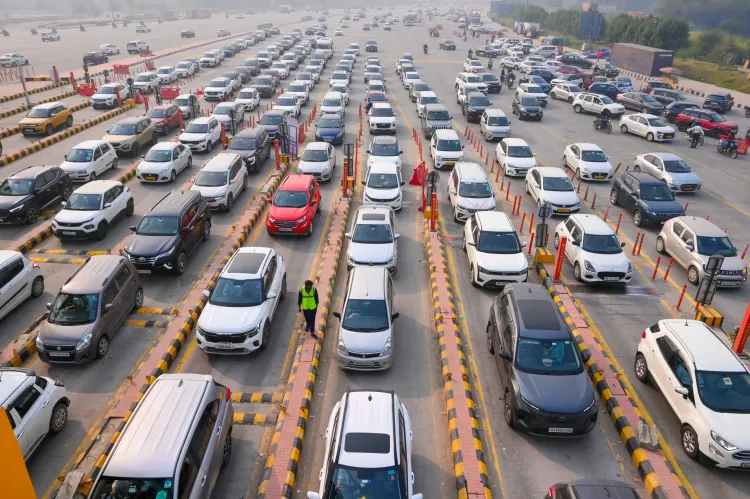
This initiative seeks to bolster electronic toll collection, diminish toll fee evasion, and facilitate smoother operations of barrier-less tolling on highways.
As per the revised regulations, a new definition of “unpaid user fee” has been introduced.
This term refers to toll charges for the use of a section of National Highway where the Electronic Toll Collection system has documented the vehicle's passage, but the fee has not been collected as mandated by the National Highways Act, 1956.
The amendments directly associate the payment of pending toll dues with critical vehicle-related services.
According to the new guidelines, a No Objection Certificate will not be granted for vehicle ownership transfer or for relocating a vehicle from one state to another unless all outstanding toll fees are settled.
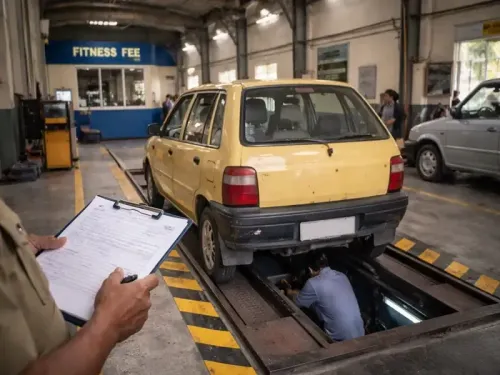
Likewise, vehicles with unpaid toll dues will be ineligible for renewing or obtaining a Certificate of Fitness.
For commercial vehicles seeking a National Permit, the revised regulations stipulate that there must be no unpaid toll charges registered against the vehicle.
“The amended rules introduce a new definition of ‘unpaid user fee’, which pertains to user fees required for utilizing a section of National Highway where the Electronic Toll Collection (ETC) system has tracked the vehicle's passage, but the applicable fee has not been received as per the National Highways Act, 1956,” stated the Ministry of Road Transport & Highways.
The ministry has also revised Form 28, which is necessary for applying for a No Objection Certificate.
Applicants are now required to declare whether any unpaid toll charges are pending against their vehicle and provide relevant information.
To encourage digital processes, the updated rules allow portions of Form 28 to be issued electronically through the designated online portal.
Form 28 is a vital document needed for transferring a vehicle to another state or district, confirming that no dues or legal matters are pending.
The ministry indicated that these modifications will further aid toll collection once the Multi-Lane Free Flow system is fully operational.
The MLFF system is designed to facilitate barrier-less tolling throughout the National Highway network, thereby minimizing congestion and enhancing travel efficiency.
Point of View
The government's decision to link toll dues with vehicle registration processes is a timely measure to ensure compliance and boost revenue from toll collections. This initiative aims to streamline operations and enhance the efficiency of the National Highway system, benefiting both users and the administration.
NationPress
27 Sept 2026
Frequently Asked Questions
What happens if I have unpaid toll dues?
If you have unpaid toll dues, you will not be able to obtain a No Objection Certificate or renew your vehicle's Certificate of Fitness.
How do these new rules affect vehicle ownership transfer?
The new regulations state that no transfer of vehicle ownership will be allowed unless all toll dues are cleared.
What is the Multi-Lane Free Flow system?
The MLFF system is designed to enable barrier-less tolling, reducing congestion and improving the efficiency of travel across the National Highway network.