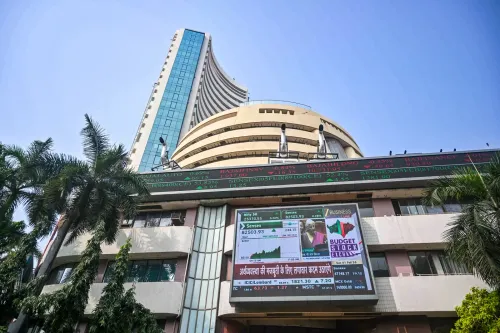
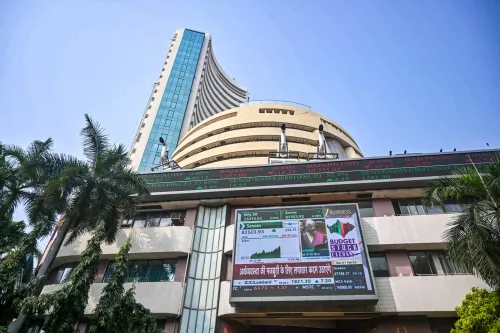
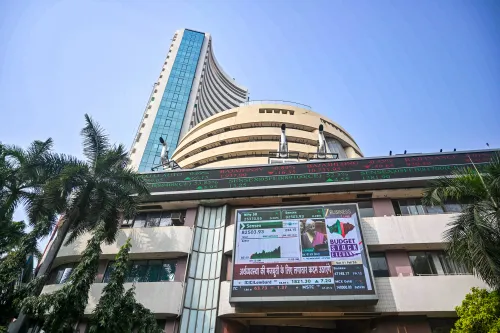
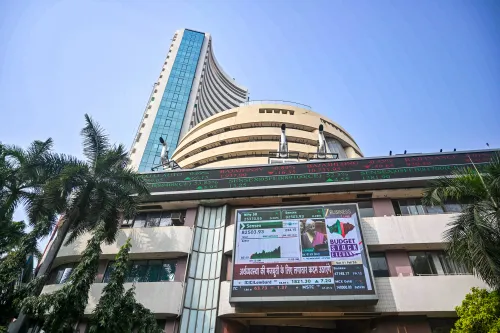
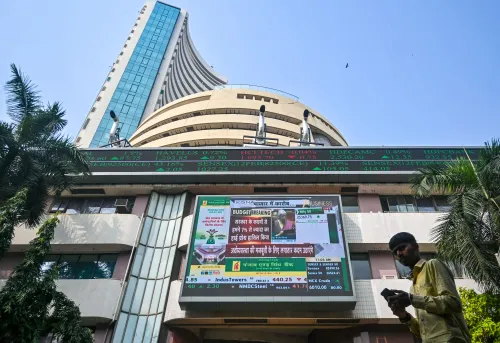
NSE, BSE closed for Muharram on June 27; trading resumes Monday
Synopsis
Indian equity and commodity markets went dark on 27 June for Muharram, handing traders a three-day weekend. With Sensex at 77,100 and Nifty at 24,056 heading into the break, the next live session on Monday will test whether IT and metal selling pressure carries over — or profit-booking clears the path for a fresh rally.
Key Takeaways
NSE and BSE closed on 27 June 2025 for Muharram ; all equity segments suspended.
MCX shut for morning session ( 9 am–5 pm IST ); evening session resumed post 5 pm .
NCDEX remained closed for the entire trading day.
Markets reopen on Monday, 30 June after a three-day weekend.
Next scheduled market holiday: 14 September (Ganesh Chaturthi).
Prior session: Sensex at 77,100.47 (+0.14%); Nifty50 at 24,056 (+0.14%).
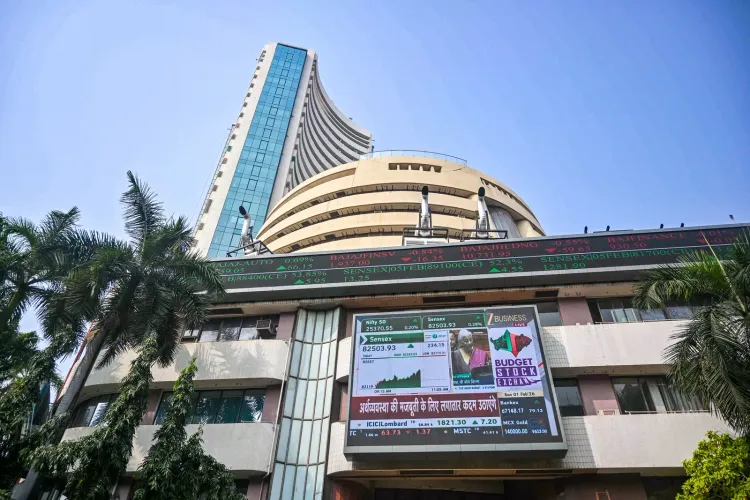
The National Stock Exchange (NSE) and the Bombay Stock Exchange (BSE) remained shut on Friday, 27 June for the Muharram public holiday, with trading suspended across all segments — equity, equity derivatives, currency derivatives, and securities lending and borrowing (SLB).
Commodity Markets: Partial Closure
The Multi Commodity Exchange (MCX) observed a partial holiday, staying closed during its morning session from 9 am to 5 pm IST before resuming in the evening session post 5 pm. The National Commodity and Derivatives Exchange (NCDEX), which primarily handles agricultural commodities, remained closed for the entire trading day.
Three-Day Weekend for Market Participants
Since the Muharram holiday fell on a Friday, traders and investors are effectively enjoying a three-day weekend, with equity markets set to reopen on Monday, 30 June. This break follows a broadly positive session on Thursday, where benchmarks snapped a two-session winning streak on a muted note after profit-booking trimmed intraday gains.
Where Markets Stood Before the Holiday
In the last trading session, the Sensex settled 100-plus points or 0.14% higher at 77,100.47, after touching an intraday peak of 77,803.18. The Nifty50 gained 34.35 points or 0.14% to close at 24,056. Selling pressure in IT and metal stocks — including Infosys, HCL Tech, Hindalco Industries, and Tata Steel — capped the upside. The broader market also underperformed, with both Nifty Midcap 100 and Nifty Smallcap 100 declining 0.5% each.
Upcoming Market Holidays in 2025
After the Muharram break, Indian bourses are scheduled to remain open for nearly three months before the next holiday on 14 September for Ganesh Chaturthi. Subsequent closures are lined up on 2 October (Mahatma Gandhi Jayanti), 20 October (Dussehra), 10 November (Diwali-Balipratipada), 24 November (Prakash Gurpurb Sri Guru Nanak Dev Ji), and 25 December (Christmas). Investors and traders are advised to plan positions and settlements around these scheduled non-trading days.
Point of View
But the timing is worth noting: markets enter the long weekend with benchmarks near recent highs and broader indices already showing fatigue. The 0.5% slip in mid- and small-caps on the last trading day signals that retail momentum may be stalling even as large-cap indices hold up. The three-month gap before the next holiday also means sustained trading continuity — any macro shock in that window, domestic or global, will have no scheduled buffer. Traders returning Monday will be watching whether IT and metal selling resumes or reverses, and whether the Sensex can credibly challenge the 78,000 level it briefly touched intraday.
NationPress
24 Sept 2026
Frequently Asked Questions
Why are NSE and BSE closed today?
The NSE and BSE are closed on 27 June 2025 on account of Muharram, a national public holiday. All equity market segments, including derivatives and currency trading, remain suspended for the day.
When will stock markets reopen after the Muharram holiday?
Indian stock markets will reopen on Monday, 30 June 2025. The Friday holiday created a three-day weekend for market participants.
Is MCX open on Muharram?
The MCX observed a partial closure — its morning session from 9 am to 5 pm IST was suspended, but trading resumed in the evening session after 5 pm. The NCDEX, however, remained closed for the full day.
What is the next stock market holiday after Muharram?
The next scheduled market holiday is 14 September 2025 for Ganesh Chaturthi. After that, closures are planned for 2 October, 20 October, 10 November, 24 November, and 25 December.
Where did Sensex and Nifty close before the Muharram holiday?
In the last trading session before the holiday, the Sensex settled at 77,100.47, up over 100 points or 0.14%, while the Nifty50 closed at 24,056, gaining 34.35 points or 0.14%. IT and metal stocks capped gains through profit-booking.