Ola Electric Q4 FY26 net loss widens to ₹500 crore sequentially
Synopsis
Ola Electric's Q4 FY26 numbers tell two stories at once: a net loss of ₹500 crore and a revenue collapse of 56.6% year-on-year sit alongside a gross margin that nearly tripled to 38.5% and the company's first-ever operating cash-flow positive quarter. The reset year may be over — but the real test arrives in FY27's first half, when commodity inflation and aggressive pricing could squeeze the margins Ola has worked hard to rebuild.
Key Takeaways
Ola Electric posted a consolidated net loss of ₹500 crore in Q4 FY26 , marginally higher than the ₹487 crore loss in Q3 FY26.
Net loss narrowed sharply year-on-year from ₹870 crore in Q4 FY25 .
Revenue from operations fell 56.6 per cent YoY to ₹265 crore , down from ₹611 crore a year earlier.
Gross margin improved to 38.5 per cent in Q4 FY26 from 13.7 per cent in Q4 FY25.
Company recorded its first operating cash-flow positive quarter with ₹91 crore in operating cash flow.
Service turnaround time was cut by 88 per cent between October 2025 and March 2026 , easing a key demand constraint.
Ola Electric Mobility Limited reported a consolidated net loss of ₹500 crore for the January–March 2026 quarter (Q4 FY26), a marginal sequential rise from the ₹487 crore loss posted in Q3 FY26, according to its stock exchange filing. Year-on-year, however, the loss narrowed sharply from ₹870 crore in Q4 FY25, signalling a gradual financial recovery for the embattled EV maker.
Revenue and EBITDA Performance
Revenue from operations fell 56.6 per cent year-on-year to ₹265 crore in Q4 FY26, down from ₹611 crore in the same quarter a year earlier — a steep topline contraction that reflects the company's ongoing volume challenges. EBITDA loss for the quarter stood at ₹281 crore, a significant improvement from the ₹690 crore EBITDA loss recorded in Q4 FY25, per the regulatory filing.
First Operating Cash-Flow Positive Quarter
Despite the weak revenue performance, Ola Electric crossed a notable operational milestone: it recorded its first operating cash-flow positive quarter, with consolidated cash flow from operations coming in at ₹91 crore during the March quarter. This is the kind of inflection that investors and analysts typically watch for in loss-making growth companies transitioning toward sustainability.
Consolidated gross margin also improved sharply, rising to 38.5 per cent in Q4 FY26 from just 13.7 per cent in the year-ago quarter — a turnaround that management attributed to tighter cost discipline and improved manufacturing efficiencies.
Margin Outlook and Commodity Risks
Management cautioned that margins could moderate in the first half of FY27 due to commodity inflation and aggressive pricing strategies intended to drive volume growth. However, the company said it retains sufficient margin buffer to stay competitive. This comes amid broader EV industry pressure as players balance growth ambitions against raw material cost volatility.
Service Backlog Addressed, Demand Constraints Easing
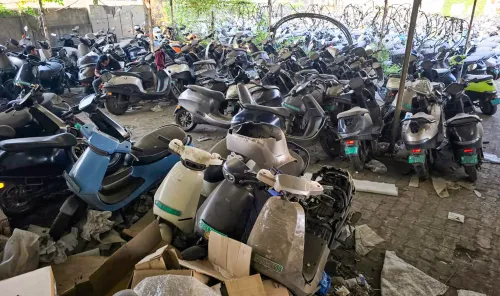
According to the company's management, service-related issues were the biggest constraint on demand throughout FY26. The situation has since 'materially stabilised,' the company said, with average service turnaround time reduced by 88 per cent between October 2025 and March 2026. Pending service backlog also declined sharply over the same period.
An Ola Electric spokesperson described FY26 as a 'reset year,' stating: 'We strengthened the fundamentals of the business across service, product quality, gross margins, operating costs, cash discipline, sales productivity, and cell manufacturing.'
4680 Bharat Cell Certification and Product Pipeline
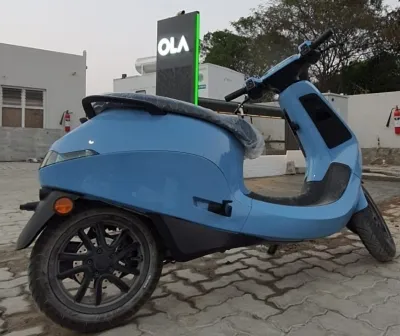
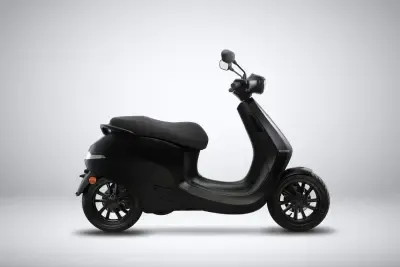
Earlier in May 2026, Ola Electric announced that its 4680 Bharat Cell-powered S1 X+ 5.2 kWh electric scooter received certification under the Central Motor Vehicle Rules from the International Centre for Automotive Technology (ICAT), Manesar. The company positioned the S1 X+ 5.2 kWh as the longest-range scooter in its mass-market lineup, calling the certification a major milestone for its portfolio.
With FY27 beginning under improved gross margin conditions and a cleared service backlog, Ola Electric's near-term trajectory will hinge on whether volume recovery can keep pace with the cost pressures management has flagged for the coming two quarters.
Point of View
But management's own warning about margin moderation in H1 FY27 suggests the recovery is fragile. Ola Electric's path to profitability is now a race between operational discipline and the commodity and pricing headwinds it has itself flagged.
NationPress
26 Sept 2026
Frequently Asked Questions
What was Ola Electric's net loss in Q4 FY26?
Ola Electric reported a consolidated net loss of ₹500 crore in Q4 FY26 (January–March 2026), marginally higher than the ₹487 crore loss in Q3 FY26 but significantly lower than the ₹870 crore loss in Q4 FY25.
Why did Ola Electric's revenue fall so sharply in Q4 FY26?
Revenue from operations declined 56.6 per cent year-on-year to ₹265 crore in Q4 FY26, down from ₹611 crore in the same quarter a year earlier. The company has attributed demand constraints primarily to service-related issues that persisted through FY26, though management says the situation has now materially stabilised.
Did Ola Electric achieve positive cash flow in Q4 FY26?
Yes, Ola Electric recorded its first operating cash-flow positive quarter in Q4 FY26, with consolidated cash flow from operations at ₹91 crore. This is considered a significant operational milestone for the company.
How did Ola Electric's gross margin change in Q4 FY26?
Gross margin improved sharply to 38.5 per cent in Q4 FY26, up from 13.7 per cent in Q4 FY25. Management has cautioned, however, that margins may moderate in the first half of FY27 due to commodity inflation and aggressive pricing strategies.
What is the Ola Electric S1 X+ 5.2 kWh and why does it matter?
The S1 X+ 5.2 kWh is Ola Electric's 4680 Bharat Cell-powered electric scooter that received certification under the Central Motor Vehicle Rules from ICAT, Manesar, in May 2026. The company has positioned it as the longest-range scooter in its mass-market lineup, marking a milestone in its domestic cell manufacturing ambitions.