PHDCCI urges customs duty cuts on LPG, naphtha ahead of Budget 2027-28
Synopsis
PHDCCI has asked the government to eliminate customs duty on LPG, naphtha, and heavy petroleum feedstocks — currently at 2.5% — ahead of the Union Budget 2027-28, arguing the move would cut costs across energy, steel, fertilisers, and eight other sectors and make India a more attractive manufacturing destination.
Key Takeaways
PHDCCI presented customs duty reform recommendations at a pre-Budget consultation for Union Budget 2027-28 on 10 November 2026 .
The chamber proposed reducing basic customs duty on LPG , heavy petroleum feedstocks , and naphtha from 2.5% to zero .
Rationalisation of duties on petroleum coke used in industrial manufacturing was also sought.
PHDCCI called for continuation of the existing duty structure on steel scrap beyond March 2028 .
The recommendations cover downstream sectors including energy , fertilisers , steel , aluminium , petrochemicals , textiles , and engineering .
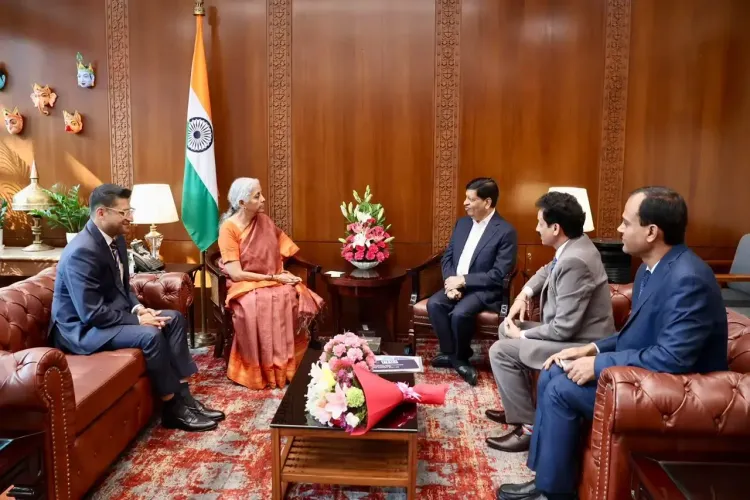
The PHD Chamber of Commerce and Industry (PHDCCI) on Tuesday, 10 November 2026 presented a set of customs duty reform recommendations at a pre-Budget consultation meeting for the Union Budget 2027-28, calling for zero-duty treatment on key industrial energy inputs to sharpen India's manufacturing competitiveness. The meeting was convened by the Tax Research Unit of the Revenue Department under the Ministry of Finance.
Key Recommendations
PHDCCI's headline proposals include reducing the basic customs duty on liquefied petroleum gas (LPG), heavy petroleum feedstocks, and naphtha from the current 2.5% to zero. The chamber also called for rationalisation of duties on petroleum coke used in industrial manufacturing, and sought continuation of the existing basic customs duty structure on steel scrap beyond March 2028.
Why These Inputs Matter
According to the industry body, the targeted inputs feed directly into a wide range of downstream sectors — including energy, fertilisers, steel, aluminium, petrochemicals, infrastructure, construction, textiles, and engineering. PHDCCI argued that the availability, affordability, and quality of essential industrial inputs have a direct bearing on India's manufacturing competitiveness and investment attractiveness.
The Broader Case for Duty Rationalisation
The chamber emphasised that customs duties on key raw materials and intermediate goods can significantly influence production costs, investment decisions, and the overall competitiveness of downstream industries. A more streamlined duty structure, it added, would improve cost efficiencies across interconnected manufacturing value chains. Notably, targeted duty reforms could also encourage fresh investments in domestic processing capacities and strengthen supply-chain resilience — goals that align with the Centre's broader push for higher value addition within India.
Context and What Comes Next
These recommendations form part of the industry's formal submissions to the government as pre-Budget consultations for 2027-28 get under way. This comes amid sustained pressure on domestic manufacturers from global input-cost volatility and competitive pricing from imported goods. Industry bodies have consistently flagged customs duty rationalisation as a lever that can deliver outsized gains for manufacturing without direct fiscal expenditure. The government is expected to weigh inputs from multiple industry chambers before finalising the Budget proposals.
Point of View
So PHDCCI will need to demonstrate quantified revenue-neutral arguments to move the needle this cycle.
NationPress
11 Nov 2026
Frequently Asked Questions
What did PHDCCI recommend ahead of Union Budget 2027-28?
PHDCCI recommended cutting basic customs duty on LPG, heavy petroleum feedstocks, and naphtha from 2.5% to zero, rationalising duties on petroleum coke, and extending the existing customs duty structure on steel scrap beyond March 2028. The recommendations were submitted at a pre-Budget consultation organised by the Tax Research Unit of the Revenue Department.
Why is PHDCCI seeking a zero customs duty on LPG and naphtha?
The chamber argues that LPG, naphtha, and heavy petroleum feedstocks are critical inputs across sectors such as fertilisers, petrochemicals, and energy. Eliminating the 2.5% duty would reduce manufacturing costs, improve energy security, and make Indian producers more competitive against global peers who source these inputs at lower effective costs.
Which sectors would benefit from these customs duty cuts?
According to PHDCCI, the duty reforms would benefit a broad range of industries including energy, fertilisers, steel, aluminium, petrochemicals, infrastructure, construction, textiles, and engineering — essentially any sector that uses petroleum-derived inputs or scrap steel in its production process.
What is the current status of the steel scrap customs duty?
PHDCCI has sought continuation of the existing basic customs duty structure on steel scrap beyond March 2028, when the current arrangement is due to lapse. The chamber argues that maintaining this structure is necessary to protect domestic downstream industries while value chains continue to develop.
When will the Union Budget 2027-28 be presented?
No date has been announced yet. The pre-Budget consultation process has begun, with industry bodies including PHDCCI submitting recommendations to the Ministry of Finance's Tax Research Unit. The Union Budget is typically presented in February.