Customs duty relief on electronics inputs: CBIC eases import costs for smartphones, EV batteries
Synopsis
The Centre has quietly but significantly expanded customs duty relief across three separate CBIC notifications — cutting import costs on display assembly parts, wireless charging components, and an expanded list of 85 capital goods for lithium-ion cell manufacturing. All concessions run until March 2029, signalling a multi-year commitment to making India's electronics and EV battery supply chains cost-competitive.
Key Takeaways
CBIC issued three notifications on 9 July granting customs duty relief on electronics and battery manufacturing inputs.
Five display assembly components — including FPCAs, backlight units, and ACF — exempted from basic customs duty for automotive, medical, and industrial use until 31 March 2029 .
Six wireless charging inductor coil components , including NdFeB magnets and NFC coils, granted zero customs duty for cellular mobile phone manufacturing until 31 March 2029 .
Concessional duty list for lithium-ion cell manufacturing machinery expanded to 85 capital goods , covering coating, winding, welding, and testing equipment.
The measures aim to improve cost competitiveness and support domestic value addition in electronics and electric vehicles .
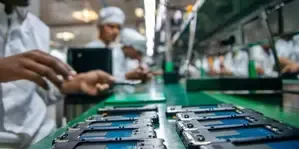
The Central Board of Indirect Taxes and Customs (CBIC) on 9 July issued three separate notifications rolling out customs duty relief on a wide range of components and capital goods used in manufacturing electronic goods, including smartphones and lithium-ion batteries. The move is aimed at lowering import costs, improving cost competitiveness, and deepening domestic value addition across electronics and electric vehicle supply chains.
Key Developments
The first notification exempts five components used in manufacturing display assemblies for automotive, medical, and industrial applications from basic customs duty until 31 March 2029. The exempted components include cells, flexible printed circuit assemblies (FPCAs), backlight units, frames, and anisotropic conductive film (ACF). Notably, the exemption does not extend to display assemblies for mobile phones, smartwatches, smart meters, television panels, and interactive flat-panel displays.
A second notification extends zero customs duty until 31 March 2029 on six components used in manufacturing inductor coil modules for wireless charging in cellular mobile phones. These include nano-crystalline assemblies, E-shields, PET liners, PC shims, stranded and NFC coils, and neodymium-iron-boron (NdFeB) magnets.
Expanded Capital Goods List for Lithium-Ion Cell Manufacturing
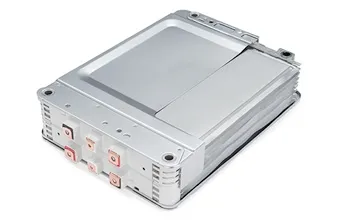
The third notification replaces the existing list of machinery eligible for concessional customs duty in lithium-ion cell manufacturing with a significantly expanded list of 85 capital goods. The revised list covers coating machines, winding machines, welding systems, testing equipment, formation machines, drying systems, and other specialised equipment used across the lithium-ion cell production process.
This expansion is expected to meaningfully reduce the cost of setting up and scaling lithium-ion cell manufacturing facilities in India — a critical input for both consumer electronics and electric vehicles.
Why It Matters
The duty waivers and concessions are valid until 31 March 2029 and are designed to reduce the landed cost of critical imported inputs. This comes amid the government's sustained push to build domestic manufacturing capabilities in advanced electronics, battery technology, and electric mobility — sectors identified as strategic priorities under India's industrial policy framework.
The move reinforces a broader pattern of targeted duty interventions that complement existing production-linked incentive schemes for electronics and EV components. By lowering input costs, the Centre is attempting to make domestically assembled products more price-competitive against fully imported alternatives.
What Happens Next
Industry stakeholders in the smartphone, EV battery, and industrial electronics segments are expected to benefit from reduced procurement costs in the near term. The expanded capital goods list for lithium-ion manufacturing, in particular, could accelerate investment decisions by battery cell makers looking to establish or expand facilities in India. The concessions will remain in force through the end of financial year 2028-29.
Point of View
Component-level duty engineering to build supply chains rather than relying solely on PLI cash flows. The exclusion of mobile phone display assemblies from the first exemption is telling — it suggests the government is calibrating relief to avoid cannibalising segments where domestic assembly is already established. The real test is whether the expanded 85-item capital goods list for lithium-ion cells translates into actual cell manufacturing investment, or merely cheaper imports of equipment that sits underutilised. India's battery cell localisation has lagged its EV assembly ambitions for years; duty relief on machinery is necessary but not sufficient without anchor demand and grid-scale offtake certainty.
NationPress
8 Oct 2026
Frequently Asked Questions
What customs duty relief has CBIC announced for electronics manufacturing?
The CBIC has issued three notifications granting customs duty exemptions and concessions on components used in display assemblies, wireless charging modules, and lithium-ion cell manufacturing machinery. All relief measures are valid until 31 March 2029.
Which display assembly components are now exempt from basic customs duty?
Five components — cells, flexible printed circuit assemblies (FPCAs), backlight units, frames, and anisotropic conductive film (ACF) — are exempt from basic customs duty for use in display assemblies for automotive, medical, and industrial applications. The exemption does not cover mobile phones, smartwatches, smart meters, TV panels, or interactive flat-panel displays.
How does the duty relief benefit lithium-ion battery manufacturers?
The CBIC has replaced the existing concessional duty list for lithium-ion cell manufacturing machinery with an expanded list of 85 capital goods, including coating machines, winding machines, welding systems, and testing equipment. This reduces the cost of importing specialised manufacturing equipment, making it cheaper to set up or scale cell production facilities in India.
Which wireless charging components now attract zero customs duty?
Six components used in inductor coil modules for wireless charging in cellular mobile phones — nano-crystalline assemblies, E-shields, PET liners, PC shims, stranded and NFC coils, and neodymium-iron-boron (NdFeB) magnets — now attract zero customs duty until 31 March 2029.
How long will these customs duty concessions remain in effect?
All three sets of duty waivers and concessions are valid until 31 March 2029, covering the remainder of the current and next two financial years.