India's Customs Procedures Simplified for Returning Export Cargo
Synopsis
In response to maritime disruptions, the Indian government has eased customs rules for export cargo returning home. This change aims to assist exporters facing challenges, ensuring smoother operations and compliance.
Key Takeaways
Customs procedures relaxed for returned export cargo.
Containers can be unloaded without standard import documentation.
Exporters can cancel shipping bills even post-EGM filing.
Verification of shipping documents will still occur.
Export incentives must be returned if cargo did not reach foreign destinations.
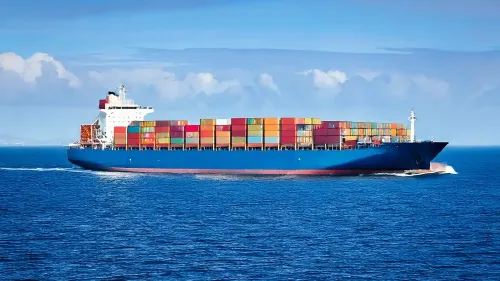
New Delhi, March 8 (NationPress) The central government has made customs procedures more lenient for export cargo that is sent back to India. This adjustment follows the return of ships that were unable to reach their designated ports due to disruptions in critical maritime routes, notably the closure of the Strait of Hormuz.
Many vessels carrying Indian export consignments have found it impossible to reach their destinations because of ongoing issues in the region, prompting some to return with cargo that had previously been cleared for export.
In a circular released by the Central Board of Indirect Taxes and Customs (CBIC), the government outlined a streamlined process for dealing with such returned consignments upon their arrival at Indian ports.
This temporary relief aims to respond to the concerns expressed by exporters and shipping firms.
Additionally, it will facilitate the processing of “back to town” requests from exporters whose cargo could not be delivered internationally.
The relaxation will be in effect for a period of 15 days from the date of the circular.
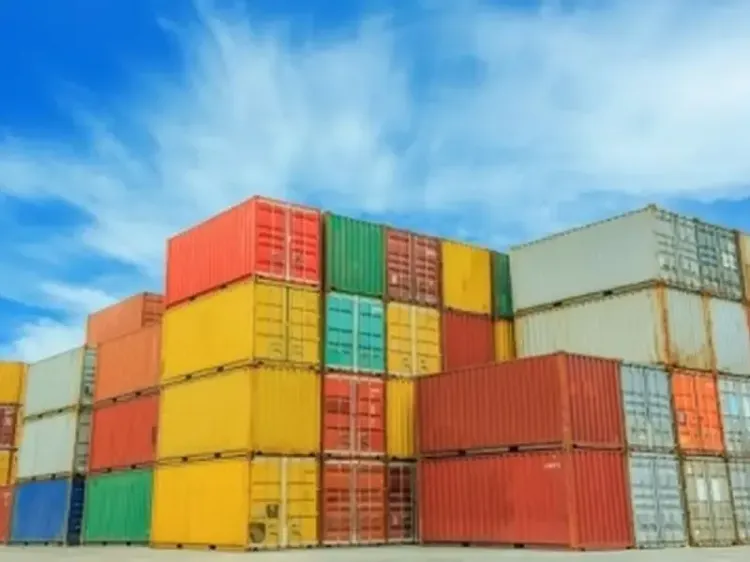
Under this new protocol, containers returning to India can be unloaded at port terminals without needing to file the usual import documentation, such as a Bill of Entry.
However, customs officials will still verify the shipping documents before allowing the containers to be removed from the vessels.
Authorities will also ensure that the container details align with the corresponding shipping bills and will check for any tampering with the container seals.
If any seal appears to be compromised or broken, the container will undergo a thorough inspection.
The CBIC has also permitted exporters to cancel shipping bills for such consignments, even if the Export General Manifest (EGM) has already been submitted.
A new feature will soon be available on the Indian Customs Electronic System (ICES) platform to enable the cancellation of shipping bills after EGM submission.
This measure is intended to prevent the inadvertent issuance of export incentives for cargo that did not reach its foreign destinations.
Once the shipping bills are canceled, the information will be shared via ICEGATE with relevant agencies such as the Reserve Bank of India and the Directorate General of Foreign Trade.
However, if exporters have already obtained any tax benefits or export incentives, including IGST refunds or duty drawbacks, they will be required to return those amounts to the government.
Point of View
The government demonstrates a commitment to facilitating smoother trade operations.
NationPress
26 Sept 2026
Frequently Asked Questions
What changes have been made to customs procedures for returning export cargo?
The Indian government has simplified customs processes, allowing containers to be unloaded without the usual import documentation, and enabling exporters to cancel shipping bills even after EGM submission.
How long will the relaxed customs rules be in effect?
The relaxed customs rules will be in effect for 15 days from the date of the circular issued by the CBIC.
What should exporters do if they have received tax benefits for undelivered cargo?
Exporters who have received tax benefits must return those amounts to the government if the cargo did not reach its foreign destinations.
What verification will customs officials conduct?
Customs officials will verify shipping documents and check container seals for tampering before allowing removal from vessels.
How will changes be communicated to relevant agencies?
Details of canceled shipping bills will be shared through ICEGATE with agencies like the Reserve Bank of India and the Directorate General of Foreign Trade.