India's Crude Oil Reserves Positioned to Weather Iran Crisis
Synopsis
As the Iran crisis unfolds, India remains strategically positioned with adequate reserves of crude oil, LPG, and LNG. With a clear plan to diversify import sources and bolster strategic reserves, the country is set to navigate potential disruptions effectively.
Key Takeaways
India's crude oil reserves are sufficient for 25 days.
The country has diversified its oil imports significantly.
Strategic reserves are being built to ensure energy security.
Oil prices have risen sharply due to the Iran crisis.
India's oil import bill is projected to impact inflation and economic growth.
New Delhi, March 3 (NationPress) India finds itself in a relatively stable position regarding crude oil, LPG, and LNG with a reserve period of 25 days for crude and an additional 25 days for petroleum products, which includes shipments currently in transit to the nation's ports. This information comes from reliable government sources.
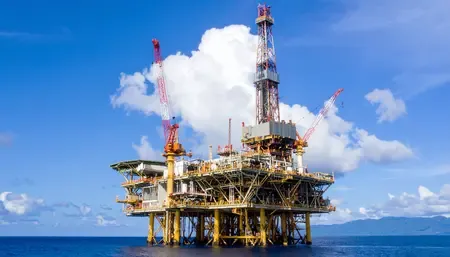
Over 85% of India's crude oil is imported, with roughly 50% sourced from Middle Eastern nations via the Strait of Hormuz, which has experienced disruptions due to the ongoing situation in Iran.
In response, India has taken steps to diversify its oil supply chain, increasing imports from Africa, Russia, and the US, while also building up strategic reserves.
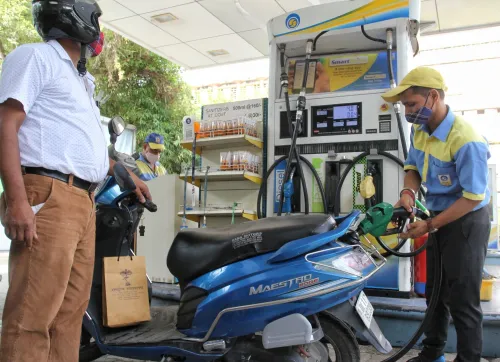
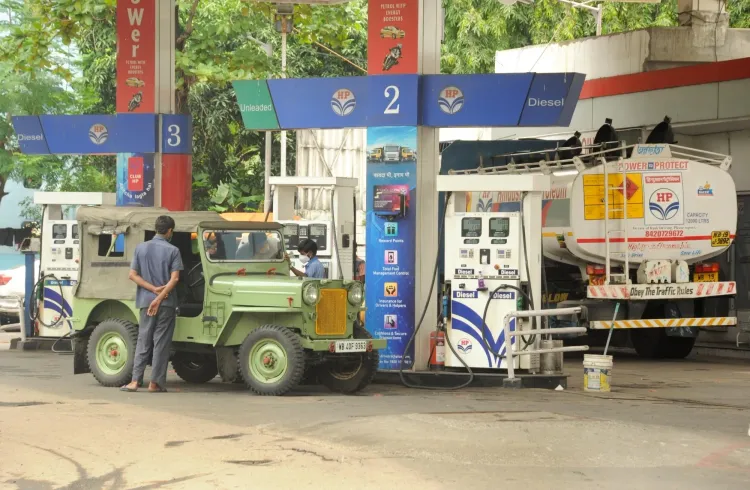
A government official stated that the country's oil marketing companies—Indian Oil, Bharat Petroleum, and Hindustan Petroleum—are well-stocked for several weeks and are continuously receiving energy supplies through various channels.
Furthermore, the government has instructed oil marketing companies to halt exports of petroleum products, thereby augmenting domestic stockpiles.
In recent years, India has enhanced its energy security by diversifying import sources away from the Gulf region, reducing reliance on the Strait of Hormuz for a significant portion of its oil supplies, according to a high-ranking official.
India has established oil storage capabilities in Pudur (2.25 million metric tonnes), Visakhapatnam (1.33 million metric tonnes), and Mangaluru (1.5 million metric tonnes). A new strategic reserve facility is also under construction in Chandikhol, located along the coastline.
These reserves serve as a safety net during emergencies and can be utilized to stabilize national oil company operations when global prices surge.
However, the immediate consequence of the Iran crisis has been a rise in oil prices, with Brent crude surpassing $80 per barrel, reflecting a 10% increase since the onset of the crisis. This spike in oil prices impacts India's import expenses and contributes to inflation, thereby hindering economic growth.
In the financial year that concluded on March 31, 2025, India allocated $137 billion for crude oil imports. From April 2025 to January 2026, the nation spent $100.4 billion on importing 206.3 million tonnes of crude oil.
Point of View
While the Iran crisis poses challenges, India's proactive approach in diversifying oil sources and strengthening reserves illustrates a commitment to energy security and economic stability. The government's measures are crucial in mitigating potential impacts on the nation's oil supply.
NationPress
29 Sept 2026
Frequently Asked Questions
What percentage of crude oil does India import?
India imports over 85% of its crude oil requirement.
How long is India's crude oil reserve expected to last?
India has a reserve for 25 days of crude oil.
What actions has India taken to enhance its oil security?
India has diversified its oil imports from Africa, Russia, and the US, and built strategic reserves.
What has been the impact of the Iran crisis on oil prices?
Brent crude prices have surged over $80 per barrel, approximately a 10% increase since the crisis began.
How much did India spend on crude oil imports last financial year?
India spent $137 billion on crude oil imports in the financial year ending March 31, 2025.