CM Pema Khandu Hails SAARC Research Grant Win for AP Scholar
Synopsis
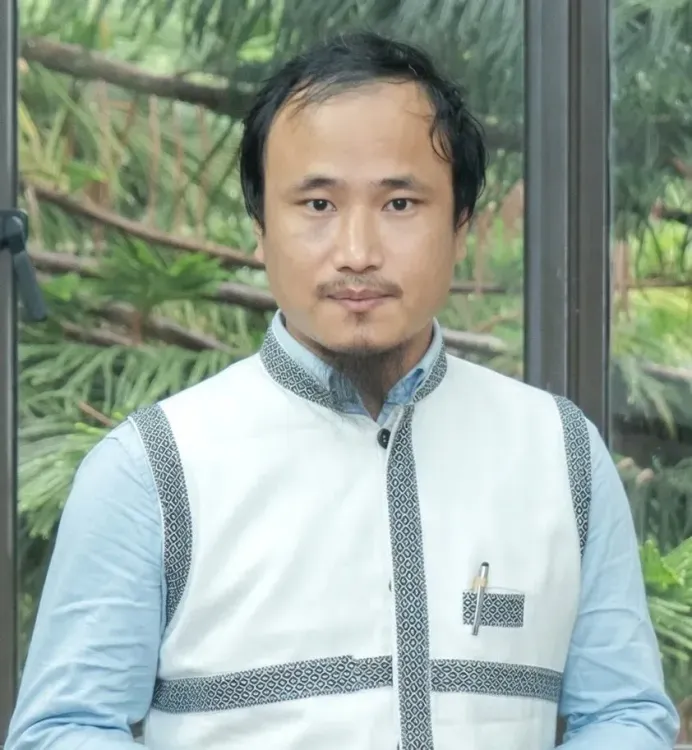
Arunachal Pradesh Chief Minister Pema Khandu has congratulated Dr. Prem Taba of Arunachal Pradesh University on winning the SAARC Research Grant 2026–27. The research focuses on tribal heritage and museum narratives, placing indigenous voices from the northeast on a South Asian academic platform.
Key Takeaways
Prem Taba , Assistant Professor at Arunachal Pradesh University , has been awarded the SAARC Research Grant 2026–27 .
CM Pema Khandu announced and congratulated the awardee via X on 9 July 2026 .
The research will focus on the heritage of Arunachal Pradesh's tribal communities and how museums narrate their stories.
The grant is open to scholars across all eight SAARC member states , making it a competitive South Asian recognition.
SAARC has offered research grants and fellowships since the 1990s to promote regional academic collaboration on cultural themes.
The award aligns with a broader pattern of northeastern Indian states using regional platforms to project indigenous cultural narratives internationally.
Arunachal Pradesh Chief Minister Pema Khandu on Thursday, 9 July 2026, congratulated Dr. Prem Taba, an Assistant Professor at Arunachal Pradesh University, on being awarded the SAARC Research Grant 2026–27 — a competitive regional academic honour open to scholars across South Asia. The Chief Minister described the recognition as one that would carry the voice of the state's tribal communities onto an international platform.
Context
Posting on X, CM Khandu wrote that 'scholars from across South Asia competed for this grant, and Dr. Taba's research stood out.' He noted the work would 'bring global attention to the rich heritage of our tribal communities and explore how museums tell their stories.' The post underscores the significance the state government attaches to academic recognition that amplifies indigenous cultural narratives beyond India's borders.
Arunachal Pradesh is home to more than two dozen distinct indigenous tribal communities, each with its own language, customs, and material culture. Scholarly work that documents and interprets this heritage through museum studies carries particular weight in a state where oral traditions and physical artefacts remain primary repositories of community identity.
Policy Backdrop
The South Asian Association for Regional Cooperation (SAARC), founded in 1985, groups eight member states and has periodically offered research grants and fellowships since the 1990s to promote academic collaboration on cultural and social themes across the region. The grant mechanism is one of the few active channels through which scholars from member states engage collectively on heritage and museum studies.
Northeastern Indian states, including Arunachal Pradesh, have increasingly used SAARC and other regional platforms to project indigenous narratives outward, aligning with India's broader emphasis on cultural diplomacy within the South Asian framework. Dr. Taba's award fits this pattern, positioning tribal heritage research from the country's northeast at a regional academic level.
Stakeholders and Impact
The immediate beneficiary is Dr. Prem Taba and the academic community at Arunachal Pradesh University, which gains visibility through a competitive South Asian grant cycle. More broadly, the tribal communities whose heritage forms the subject of the research stand to benefit from greater documentation and international scholarly attention to their cultural legacy.
Museum institutions and archivists working on indigenous narratives in the northeast may also find the research relevant as a reference point for how tribal stories are curated and communicated to wider audiences. The SAARC grant cycle brings with it the expectation of published findings that can inform policy and practice in heritage preservation.
What's Next
The 2026–27 grant cycle will culminate in research outputs that could shape conversations around tribal museum practices and indigenous heritage documentation in South Asia. Observers will watch whether the state government or Arunachal Pradesh University follows up with institutional initiatives — such as archival projects or museum partnerships — that build on the recognition the award brings. If Dr. Taba's findings gain traction in regional academic circles, they could strengthen the case for sustained state investment in cultural research infrastructure in the northeast.
Point of View
Not merely domestic tourism. The SAARC Research Grant, though modest in scale, carries symbolic weight as one of the few functioning academic bridges across South Asia at a time of intermittent political friction among member states. By amplifying the award, Khandu reinforces a cultural diplomacy posture that northeastern states have increasingly adopted to assert their indigenous identity on platforms beyond India's internal policy discourse. The move also subtly elevates Arunachal Pradesh University's research profile at a moment when the state is seeking greater recognition in higher education and heritage preservation.
NationPress
9 Jul 2026
Frequently Asked Questions
What is the SAARC Research Grant 2026–27?
The SAARC Research Grant 2026–27 is a competitive academic fellowship awarded by the South Asian Association for Regional Cooperation to scholars from its eight member states for research on cultural, social, or related themes. SAARC has offered such grants periodically since the 1990s to foster regional academic collaboration.
Who is Dr. Prem Taba?
Dr. Prem Taba is an Assistant Professor at Arunachal Pradesh University who has been awarded the SAARC Research Grant 2026–27 for research on the heritage of the state's tribal communities and how museums narrate their stories.
What will Dr. Prem Taba's SAARC-funded research cover?
According to CM Pema Khandu's post, the research will explore the rich heritage of Arunachal Pradesh's tribal communities and examine how museums tell their stories, with the aim of bringing global attention to indigenous cultural legacies from the state.
Why did CM Pema Khandu congratulate Dr. Prem Taba publicly?
CM Khandu shared the congratulations on X on 9 July 2026, describing the SAARC Research Grant as 'no ordinary recognition' and noting that scholars from across South Asia competed for it. The public acknowledgement reflects the state government's emphasis on cultural diplomacy and indigenous heritage research.
What is Arunachal Pradesh University known for?
Arunachal Pradesh University is the state university of Arunachal Pradesh and supports higher education and research with an emphasis on local knowledge systems and regional studies relevant to the state's diverse indigenous communities.