CM Pema Khandu Receives AAPSU Memorandum on Indigenous Rights
Synopsis
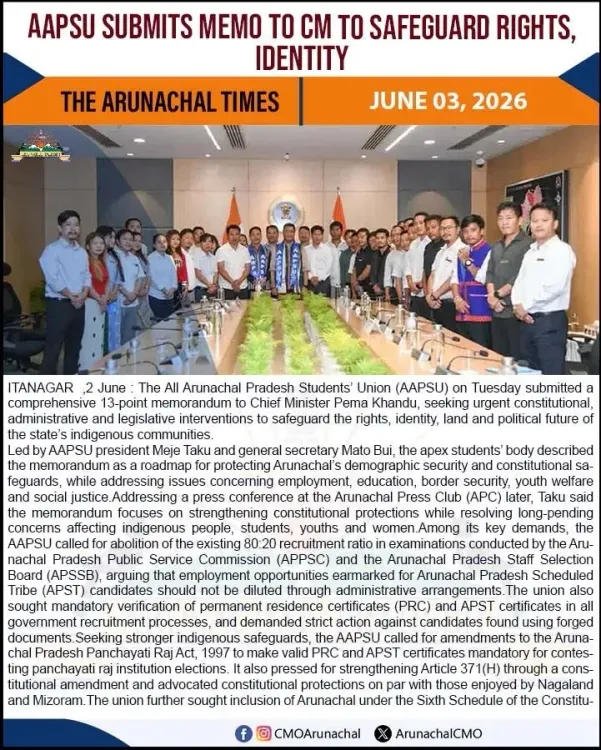
The Chief Minister's Office of Arunachal Pradesh said AAPSU representatives called on CM Pema Khandu and submitted a memorandum on indigenous rights, youth welfare, education, employment and constitutional safeguards, reviving a recurring channel of consultation between the state's apex student body and the elected government in Itanagar.
Key Takeaways
AAPSU representatives met CM Pema Khandu on 3 June 2026 in Itanagar .
The memorandum covers indigenous rights, youth welfare, education, employment and constitutional safeguards .
AAPSU is the apex student body of Arunachal Pradesh, representing over 25 major tribes .
Specific demands in the memorandum were not publicly itemised by the Chief Minister's Office.
Follow-up may come via cabinet decisions on employment, education or safeguard legislation.
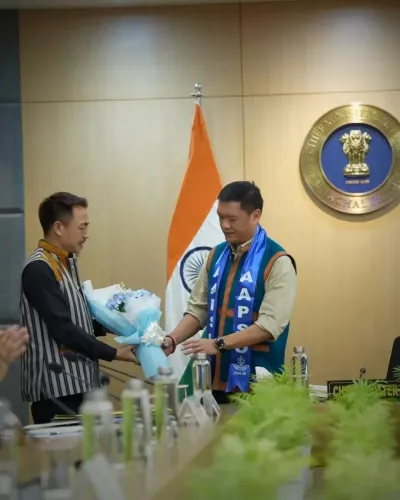
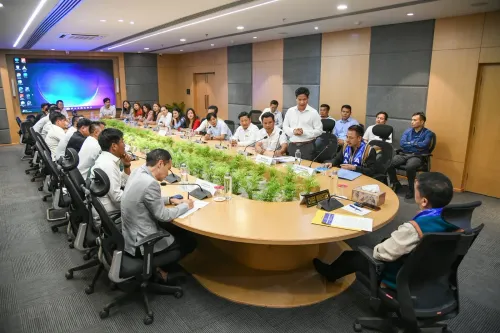
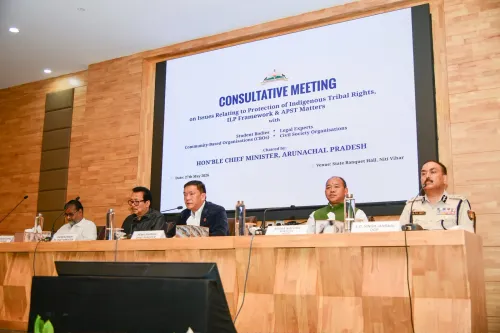
Representatives of the All Arunachal Pradesh Students' Union (AAPSU) met Chief Minister Pema Khandu on 3 June 2026 at the Chief Minister's Office in Itanagar and submitted a memorandum flagging concerns around indigenous rights, youth welfare, education, employment and constitutional safeguards. The engagement was announced by the Chief Minister's Office of Arunachal Pradesh through its official handle on X.
According to the post, AAPSU representatives 'called on Hon'ble Chief Minister Pema Khandu and submitted a memorandum highlighting issues concerning indigenous rights, youth welfare, education, employment and constitutional safeguards.' The Chief Minister's Office did not publicly itemise the specific demands contained in the memorandum.
Context
AAPSU is the apex student body of Arunachal Pradesh and has historically functioned as one of the most influential civil-society voices in the state. It regularly raises issues affecting the state's 25-plus major tribes, ranging from the integrity of the Inner Line Permit regime to access to higher education and government employment for indigenous youth.
Pema Khandu, who has served as Chief Minister since 2016, has frequently positioned his administration as receptive to tribal student bodies, treating such memorandums as a recurring channel of consultation between the elected government and organised youth groups.
Policy backdrop
Student unions across the Northeast, including AAPSU, were at the forefront of the 2019 protests against the Citizenship Amendment Act, demanding stronger constitutional protections for indigenous communities in a region where demographic anxieties remain politically salient. That mobilisation underscored the role of student bodies as key interlocutors with both state and central governments on identity, migration and resource questions.
Since 2017, the Arunachal Pradesh government has rolled out multiple skill-development and youth-employment initiatives aligned with central schemes, aimed at addressing unemployment among local graduates. Education reforms, recruitment in state services and safeguards under Article 371(H) for Arunachal Pradesh are areas where student bodies have consistently sought clearer commitments.
Stakeholders and impact
The principal stakeholders are indigenous students, tribal youth seeking employment, and AAPSU's network of district-level units. For the state government, engagement with the union is also a question of social stability in a strategically sensitive border state that shares frontiers with China and Myanmar.
Memorandums of this kind typically feed into subsequent cabinet discussions, departmental directives or, in some cases, fresh legislation. They also create a public record against which the union can later measure the government's response.
What's next
Attention will turn to whether the Arunachal Pradesh cabinet or the state assembly takes up any of the issues raised in the memorandum in the coming sessions, particularly on employment quotas, education reforms or safeguard legislation. Potential central-state coordination meetings on tribal welfare could also follow, given the constitutional dimension of several long-standing demands.
For now, the meeting reinforces a familiar pattern in Itanagar: organised student voices setting part of the policy agenda, and the Chief Minister's Office signalling that the channel of dialogue remains open. The substantive test will lie in the follow-through on the specific items contained in the AAPSU document.
Point of View
Shaping the policy agenda between elections. For the Khandu government, publicly acknowledging the AAPSU memorandum is as much a political signal as a procedural step — a reaffirmation that indigenous safeguards remain a non-negotiable plank in a tribal-majority border state. The real test, as with previous such engagements, will be whether specific demands translate into cabinet decisions or assembly action. Until then, the optics of dialogue carry their own weight in Arunachal's political economy.
NationPress
21 Oct 2026
Frequently Asked Questions
What did AAPSU submit to CM Pema Khandu?
AAPSU submitted a memorandum to Chief Minister Pema Khandu highlighting issues around indigenous rights, youth welfare, education, employment and constitutional safeguards, according to the Chief Minister's Office of Arunachal Pradesh.
Who is the Chief Minister of Arunachal Pradesh?
Pema Khandu has been the Chief Minister of Arunachal Pradesh since 2016 and represents the BJP in the state.
What constitutional safeguards apply to Arunachal Pradesh?
Arunachal Pradesh enjoys special provisions under Article 371(H) of the Constitution and is also protected by the Inner Line Permit system regulating entry of non-residents.
When did the AAPSU meeting with the Chief Minister take place?
The Chief Minister's Office of Arunachal Pradesh announced the meeting on 3 June 2026, when AAPSU representatives called on CM Pema Khandu and submitted their memorandum.