CM Pema Khandu announces dedicated ILP Department for Arunachal
Synopsis
Arunachal Pradesh CM Pema Khandu announced plans for a dedicated ILP Department on May 27, 2026, after a seven-hour consultative meeting with student bodies, tribal forums and legal experts. A follow-up high-level meeting is scheduled for May 29 to shape the implementation roadmap.
Key Takeaways
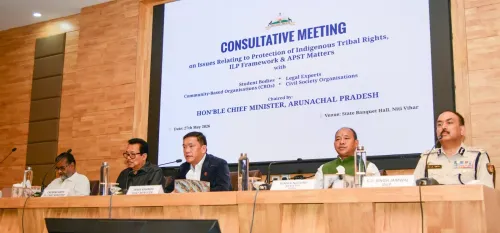
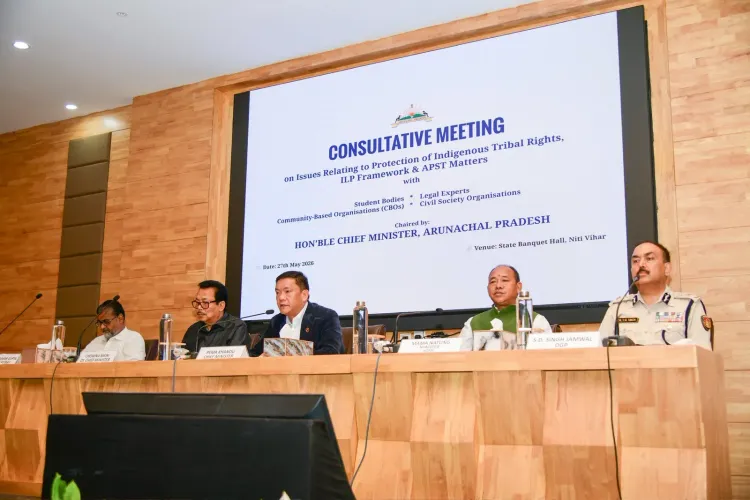
Chief Minister Pema Khandu chaired a seven-hour Consultative Meeting on May 27, 2026 on ILP, APST and indigenous tribal rights.
Arunachal Pradesh will 'in principle' move towards creating a separate dedicated ILP Department to strengthen the permit system.
Participants included student bodies, legal experts, political parties, community-based organisations and civil society groups.
A seven-member delegation each from the Arunachal Indigenous Tribes Forum , AAPSU , ST Bachao Andolan Committee and legal experts has been invited for a follow-up meeting on May 29, 2026 .
The Inner Line Permit system in Arunachal Pradesh is governed under the Bengal Eastern Frontier Regulation of 1873 and has been in force since statehood in 1987 .
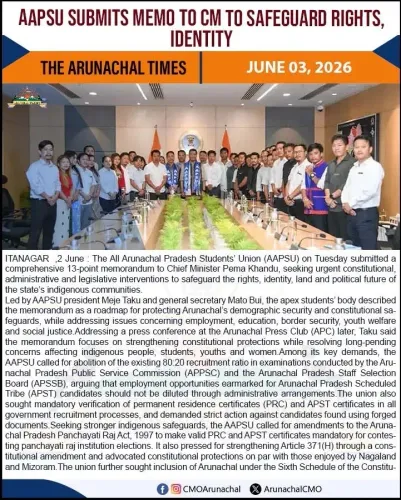
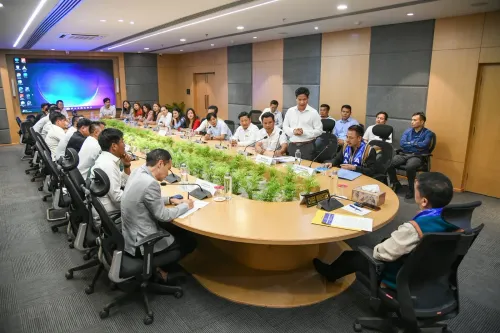
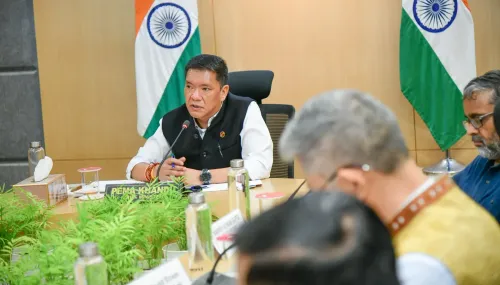
Arunachal Pradesh Chief Minister Pema Khandu announced on Wednesday, May 27, 2026, that the state will move towards establishing a separate dedicated Inner Line Permit (ILP) Department following a seven-hour marathon Consultative Meeting on indigenous tribal rights, ILP and Arunachal Pradesh Scheduled Tribe (APST) matters. The meeting brought together student bodies, legal experts, political parties, community-based organisations and civil society groups in what the Chief Minister described as 'one of the most serious and extensive discussions on the future of Arunachal Pradesh and its indigenous people.'
Context
The May 27 consultative meeting convened a broad cross-section of Arunachal's civil society to deliberate on the future of the ILP system and tribal protections. Participants included the Arunachal Indigenous Tribes Forum, the All Arunachal Pradesh Students' Union (AAPSU), the ST Bachao Andolan Committee and independent legal experts. The scale of the consultation — spanning seven hours — signals the depth of concern among stakeholders over the long-term demographic and cultural security of the state's indigenous communities.
Chief Minister Khandu confirmed that a seven-member delegation from each of the four participating groups has been invited to a high-level follow-up meeting on May 29, 2026, to shape a concrete roadmap for implementation.
Policy Backdrop
The Inner Line Permit system in Arunachal Pradesh is rooted in the Bengal Eastern Frontier Regulation of 1873, which requires non-residents to obtain a permit before entering the state. The mechanism was retained after Arunachal attained full statehood in 1987 as a constitutional safeguard to protect the demographic composition and land rights of its predominantly tribal population.
Despite its long operation, enforcement of the ILP regime has been a recurring concern for student bodies and tribal organisations, who have periodically called for administrative strengthening. The creation of a dedicated ILP Department — currently handled within the broader state bureaucracy — would give the system its own institutional infrastructure, budget and accountability framework. Parallel moves in Nagaland and Mizoram have shown that dedicated administrative structures can improve tribal-protection outcomes in comparable northeastern contexts.
Stakeholders and Impact
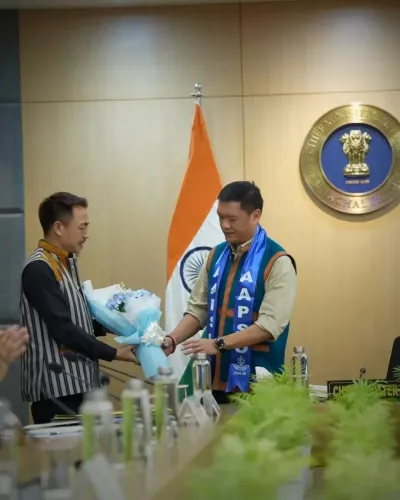
AAPSU, one of the most prominent student bodies in the state, has historically been at the forefront of demands to tighten the ILP system and protect indigenous land rights. Its inclusion alongside the Arunachal Indigenous Tribes Forum and the ST Bachao Andolan Committee in the follow-up delegation reflects a deliberate effort by the Khandu government to anchor any policy change in broad civil-society consensus.
For ordinary residents, a dedicated ILP Department could mean faster permit processing, stronger enforcement against violations and a clearer grievance-redress mechanism. Legal experts present at the meeting are expected to advise on the legislative or executive instruments required to operationalise the new department.
What's Next
The immediate focus shifts to the May 29, 2026 high-level meeting, where the combined seven-member delegations will work with the state government to define the roadmap — including the department's mandate, staffing and legal basis. Any subsequent cabinet decision or legislative action to formally establish the department will be a key milestone to watch.
If the dedicated ILP Department moves from principle to practice, it would mark one of the most significant administrative overhauls of Arunachal Pradesh's tribal-protection framework in decades, with potential implications for how other northeastern states approach similar institutional reforms.
Point of View
Moving the conversation from periodic enforcement drives to structural administrative reform. By convening such a wide coalition — student unions, tribal forums, legal experts and political parties — Chief Minister Khandu is building consensus cover for what could be a contentious bureaucratic reorganisation. The timing also fits a broader pattern across the Northeast, where states are under pressure from civil society to demonstrate that tribal safeguards are more than symbolic. The May 29 follow-up meeting will be the real test of whether this 'in principle' commitment translates into a concrete legislative or executive instrument.
NationPress
11 Oct 2026
Frequently Asked Questions
What is the Inner Line Permit in Arunachal Pradesh?
The Inner Line Permit (ILP) is a travel document required by non-residents to enter Arunachal Pradesh, rooted in the Bengal Eastern Frontier Regulation of 1873 and retained after statehood in 1987 to protect the state's indigenous tribal population from unrestricted migration.
Why is Arunachal Pradesh creating a dedicated ILP Department?
Chief Minister Pema Khandu announced the move on May 27, 2026, following a seven-hour consultative meeting with student bodies, tribal forums and legal experts who sought stronger institutional infrastructure for enforcing the ILP system and protecting indigenous rights.
What is AAPSU and what role does it play in ILP matters?
The All Arunachal Pradesh Students' Union (AAPSU) is the state's leading student body and has historically been at the forefront of demands to strengthen the ILP regime and safeguard indigenous land and demographic rights.
What happens at the May 29, 2026 follow-up meeting?
Seven-member delegations from the Arunachal Indigenous Tribes Forum, AAPSU, ST Bachao Andolan Committee and legal experts will meet with the state government to shape a concrete roadmap for establishing the dedicated ILP Department.
Which other northeastern states have dedicated tribal-protection administrative structures?
Nagaland and Mizoram have established dedicated administrative structures to support tribal protections under their respective ILP and customary-law frameworks, serving as reference points for Arunachal Pradesh's proposed reform.