CM Pema Khandu Backs ST Bachao Andolan on Tribal Rights

Synopsis
Chief Minister Pema Khandu on 28 May 2026 publicly endorsed the ST Bachao Andolan Committee's concerns on APST rights and the Inner Line Permit framework, declaring that protecting the identity and future of Arunachal Pradesh's indigenous people is the government's concern too.
Key Takeaways
CM Pema Khandu on 28 May 2026 publicly stated his government is 'on the same page' as the ST Bachao Andolan Committee on indigenous tribal rights.
The ST Bachao Andolan Committee is a youth-led group raising issues on APST protections and the Inner Line Permit (ILP) framework in Arunachal Pradesh.
The ILP system, rooted in the Bengal Eastern Frontier Regulation, 1873 , restricts outsider entry into Arunachal Pradesh to protect indigenous communities.
The APST designation provides constitutional protections including land rights and reservations to indigenous tribes of the state.
Khandu's statement signals that the BJP-led government will not allow its development agenda to be seen as conflicting with tribal identity protections.
Observers are now watching for concrete policy steps such as cabinet decisions on ILP enforcement or APST-related legislative action.
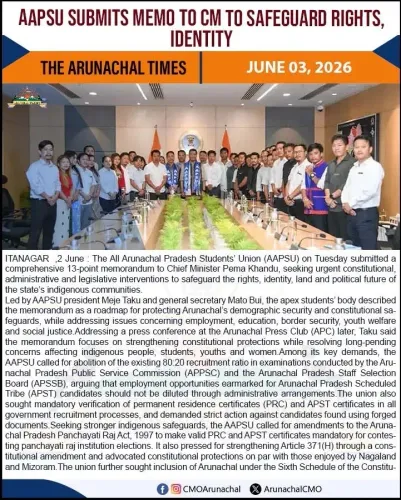
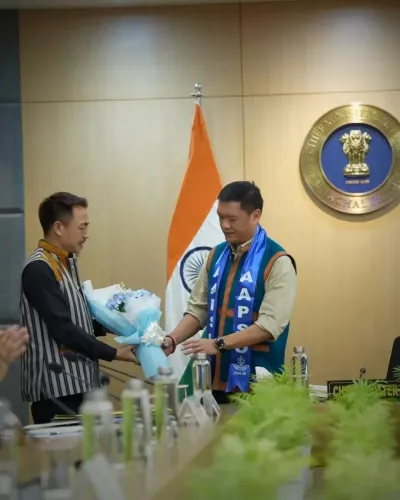
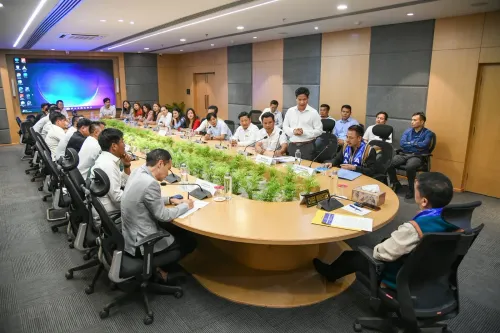
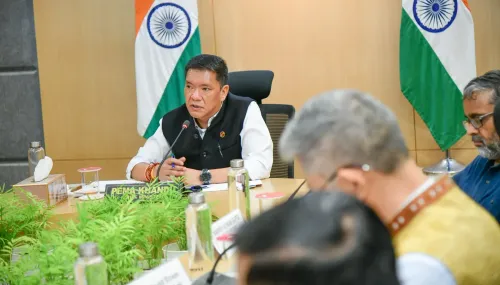
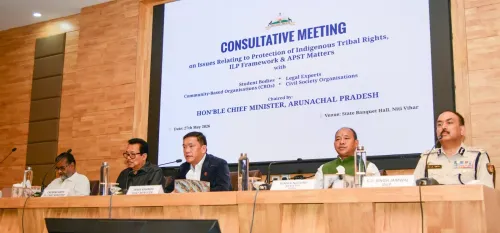
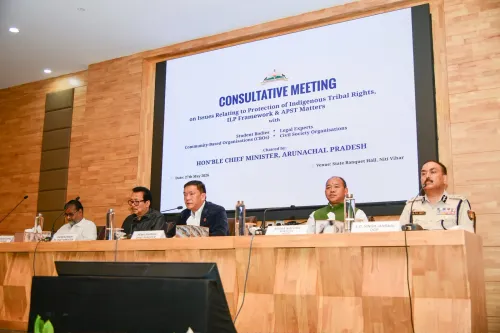
Arunachal Pradesh Chief Minister Pema Khandu on Thursday, 28 May 2026, publicly aligned his government with youth activists demanding stronger protections for indigenous tribal communities, stating that concerns raised by the ST Bachao Andolan Committee on APST rights and the Inner Line Permit (ILP) framework are 'real concerns' and that his administration is 'on the same page.'
Context
The ST Bachao Andolan Committee is a youth-led platform that has been pressing the state government on issues relating to indigenous tribal rights, reservation protections under the Arunachal Pradesh Scheduled Tribes (APST) category, and the enforcement of the Inner Line Permit system. In his post, Khandu said plainly: 'Protecting the identity, rights and future of the indigenous people of Arunachal Pradesh is not just their concern. It is our concern too.' The statement is notable for its directness, with the Chief Minister choosing to address the movement's concerns without qualification.
Policy Backdrop
The ILP framework derives from the Bengal Eastern Frontier Regulation, 1873, a colonial-era instrument that restricts entry by outsiders into protected northeastern territories. Arunachal Pradesh has maintained this system as a frontline safeguard against demographic change, and successive state governments — including BJP-led administrations — have upheld and periodically reviewed its provisions. The APST designation under the Indian Constitution grants indigenous communities of the state specific protections, including land rights and reservations in public employment and education. Pressure on both mechanisms has grown in recent years as the state sees accelerated infrastructure expansion and increased connectivity with the rest of the country.
Northeast Indian states have long relied on the twin pillars of ILP regulation and constitutional tribal autonomy to manage migration pressures while pursuing development goals. Arunachal Pradesh in particular has positioned indigenous identity protection as a non-negotiable element of state policy, even as large-scale road, rail, and hydropower projects bring in outside labour and capital.
Stakeholders and Impact
For the indigenous tribal communities of Arunachal Pradesh — who constitute the overwhelming majority of the state's population — the APST framework and ILP system are not abstract policy instruments but practical guarantees of land ownership, political representation, and cultural continuity. Youth activists organised under the ST Bachao Andolan Committee have been vocal in demanding that these protections be enforced rigorously and not diluted under development pressures. CM Khandu's public endorsement of their concerns signals that the state government is unwilling to allow a wedge to form between its development agenda and its commitments to indigenous communities.
The statement also carries political weight. With BJP governing Arunachal Pradesh under Khandu since 2016, any perception that the party's development push comes at the cost of tribal rights could be electorally damaging. By aligning with the ST Bachao Andolan Committee, the Chief Minister is reinforcing that the government views tribal identity protection as a core, not peripheral, responsibility.
What's Next
Political observers will now watch for concrete follow-through in the form of state-level consultations, cabinet decisions on ILP enforcement mechanisms, or legislative action on APST-related regulations. The Chief Minister's unambiguous public statement raises expectations among activists that policy steps — not just assurances — will follow. How the government translates this solidarity into enforceable measures will determine whether the ST Bachao Andolan Committee's concerns are addressed in substance or remain at the level of political signalling.
Point of View
A dual positioning designed to neutralise anti-incumbency among indigenous voters. The key test will be whether this public alignment translates into enforceable regulatory action, or whether it remains a rhetorical buffer against mounting activist pressure.
NationPress
11 Oct 2026
Frequently Asked Questions
What is the ST Bachao Andolan Committee in Arunachal Pradesh?
The ST Bachao Andolan Committee is a youth-led organisation in Arunachal Pradesh that advocates for the protection of indigenous tribal rights, including safeguards under the Arunachal Pradesh Scheduled Tribes (APST) category and stricter enforcement of the Inner Line Permit (ILP) system.
What is the Inner Line Permit (ILP) and why does it matter in Arunachal Pradesh?
The Inner Line Permit (ILP) is a regulatory entry permit under the Bengal Eastern Frontier Regulation, 1873, that restricts non-residents from entering Arunachal Pradesh without official clearance. It is considered a critical safeguard for the state's indigenous tribal communities against demographic change driven by migration.
What did CM Pema Khandu say about tribal rights on 28 May 2026?
CM Pema Khandu stated that the concerns raised by the ST Bachao Andolan Committee on APST matters and the ILP framework are 'real concerns' and that his government is 'on the same page,' adding that protecting the identity, rights, and future of Arunachal Pradesh's indigenous people is the government's concern too.
What are APST rights in Arunachal Pradesh?
APST refers to the Arunachal Pradesh Scheduled Tribes designation, which provides constitutional protections to indigenous communities of the state, including land rights, reservations in public employment, and access to educational opportunities.
What policy action is expected after Pema Khandu's statement on tribal rights?
Observers are watching for state-level consultations, possible cabinet decisions on ILP enforcement mechanisms, and legislative steps on APST-related regulations as potential follow-through to CM Khandu's public endorsement of the ST Bachao Andolan Committee's demands.