CM Pema Khandu Meets ANSU, Pledges to Address Concerns
Synopsis
Arunachal Pradesh Chief Minister Pema Khandu met All Nyishi Students' Union representatives on 7 July 2026, publicly acknowledging their concerns and pledging meaningful solutions. The engagement reflects the BJP government's ongoing dialogue with tribal student bodies on education, employment, and infrastructure issues affecting the state's largest ethnic communities.
Key Takeaways
CM Pema Khandu met representatives of the All Nyishi Students' Union (ANSU) on 7 July 2026 .
Khandu publicly acknowledged the grievances raised and committed to 'meaningful solutions.' The Nyishi are one of Arunachal Pradesh's largest tribal groups; ANSU advocates on education, employment reservations, and infrastructure.
The Pema Khandu government has engaged periodically with major tribal student unions since 2016 .
Tribal student organisations across Northeast India serve as key policy interlocutors, influencing affirmative-action and development decisions.
Concrete follow-up — committee formations, budget allocations, or policy orders — will determine the outcome of this engagement.
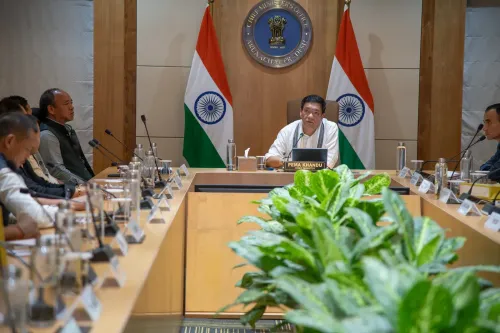
Arunachal Pradesh Chief Minister Pema Khandu met with representatives of the All Nyishi Students' Union (ANSU) on Tuesday, 7 July 2026, listening to their concerns and grievances and committing to work towards meaningful solutions. The engagement signals the state government's continued outreach to tribal student organisations, which serve as key voices for Arunachal Pradesh's largest ethnic communities.
Context
In his post on X, CM Khandu stated: 'Heard the concerns and grievances raised by representatives of the All Nyishi Students' Union (ANSU). Every genuine issue matters, and we will work to ensure meaningful solutions.' The brief but pointed message underscores the administration's intent to treat the union's demands as a legitimate governance priority rather than a routine formality.
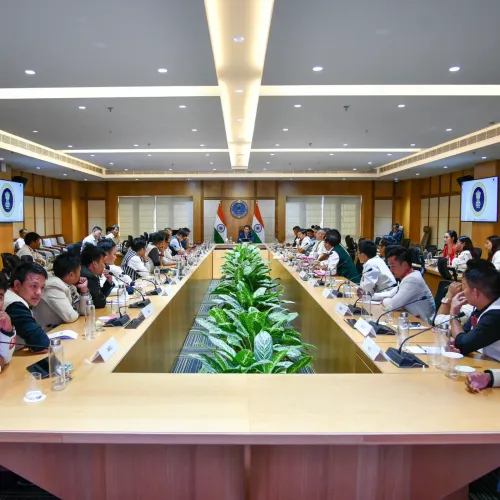
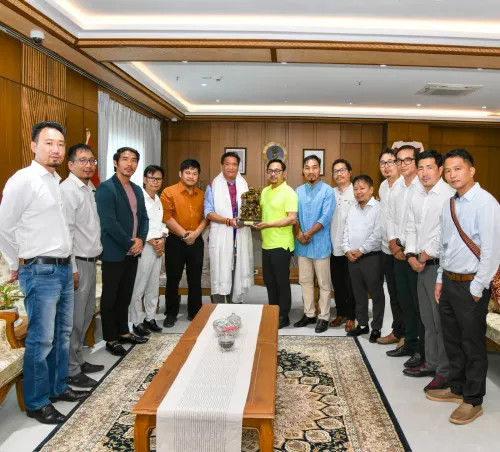
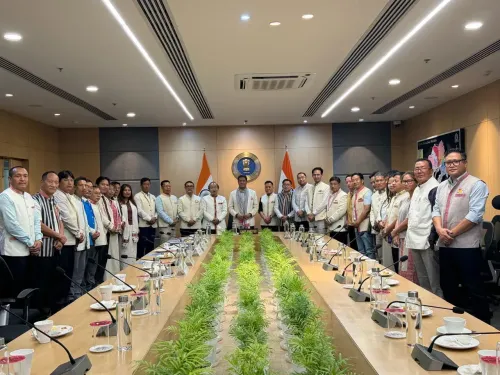
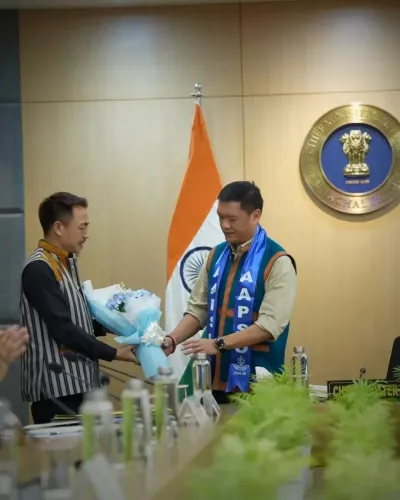
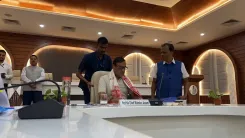
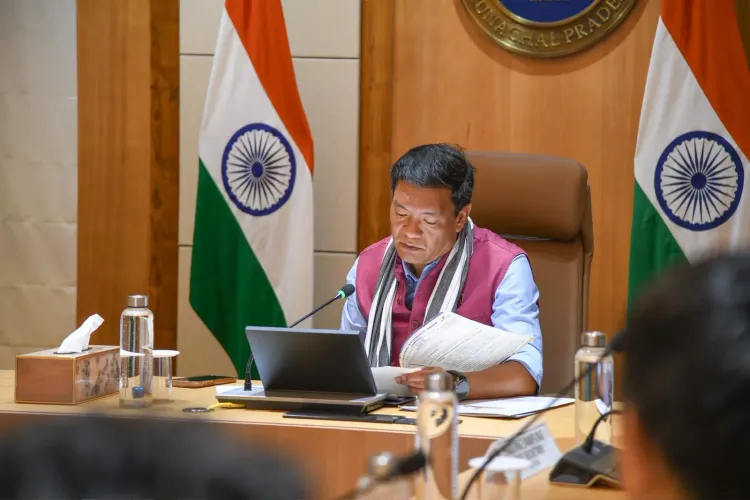
The Nyishi are one of Arunachal Pradesh's largest tribal groups, and ANSU has long served as an organised channel through which Nyishi youth raise issues of education access, employment reservations, scholarships, and infrastructure with the state government. Photographs shared alongside the post show the CM in a formal meeting with union representatives.
Policy Backdrop
Since 2016, when Pema Khandu assumed office, the state government has held periodic structured engagements with major tribal student unions. These meetings have historically centred on demands related to higher-education seat reservations, government-job quotas, scholarship disbursement, and rural infrastructure — issues that directly affect tribal youth in a state where public-sector employment remains a primary aspiration.
Tribal student bodies across Northeast India have functioned as influential interlocutors with state administrations for decades. In Arunachal Pradesh, a state with over 26 major tribes and significant border sensitivities, maintaining dialogue with such organisations is considered essential to social stability. The current BJP administration has continued this tradition, using direct meetings to signal responsiveness on affirmative-action and development concerns.
Stakeholders and Impact
The primary stakeholders are Nyishi students and tribal youth across Arunachal Pradesh, for whom ANSU's advocacy translates into tangible policy outcomes — from scholarship schemes to reservation policies in government services. A positive follow-through from this engagement could influence how other tribal student unions in the state approach their own demands with the administration.
Broader civil society in the state also watches such meetings closely. In a multi-ethnic polity like Arunachal Pradesh, the government's responsiveness to one major tribal organisation sets a precedent for how it engages with others, making these interactions politically and socially significant beyond their immediate scope.
What's Next
The government's pledge to deliver 'meaningful solutions' will be tested in the weeks ahead. Observers will look for concrete follow-up actions — including the formation of review committees, revision of existing reservation or scholarship frameworks, or specific budget allocations — that translate the CM's assurance into policy. Further rounds of engagement with other tribal student organisations in the state are also likely, given the precedent this meeting sets.
For ANSU and the wider Nyishi community, the measure of success will lie not in the meeting itself but in the administrative orders and resource commitments that follow. CM Khandu's public acknowledgement of the grievances at least ensures the issues remain on record and in public view, raising the accountability stakes for a government response.
Point of View
The administration creates a visible accountability trail that raises the cost of inaction. This fits a broader pattern in Northeast governance where student unions function as quasi-civil-society watchdogs, and state governments use high-visibility engagement to manage ethnic-group relations. The BJP's approach in Arunachal Pradesh has consistently leaned on direct dialogue with tribal bodies as a stability mechanism, particularly in a state where multiple groups compete for limited government resources. Whether this meeting yields tangible policy change or remains a gesture will shape ANSU's — and other unions' — willingness to trust the process going forward.
NationPress
6 Oct 2026
Frequently Asked Questions
Who is ANSU and what do they represent?
The All Nyishi Students' Union (ANSU) is a student organisation representing the Nyishi tribe, one of Arunachal Pradesh's largest ethnic groups. It advocates for the community on issues including higher-education access, government-job reservations, scholarships, and rural infrastructure.
What did CM Pema Khandu say after meeting ANSU?
CM Pema Khandu stated on X that he 'heard the concerns and grievances raised by representatives of the All Nyishi Students' Union (ANSU)' and pledged that 'every genuine issue matters' and that the government would 'work to ensure meaningful solutions.'
What issues does ANSU typically raise with the Arunachal Pradesh government?
ANSU typically raises concerns around higher-education seat reservations for Nyishi students, government-job quotas, scholarship disbursement, and infrastructure development in areas with a significant Nyishi population.
How often does the Arunachal Pradesh government meet tribal student unions?
Since 2016, the Pema Khandu administration has held periodic meetings with major tribal student unions in the state to address demands on education, employment, and development — a practice that predates the current government and is common across Northeast India.
What should we watch for after this ANSU meeting?
Key things to watch include any government orders, formation of review committees, revision of reservation or scholarship policies, or budget allocations that follow from this meeting, as these will indicate whether the CM's assurance translates into concrete policy action.