CM Pema Khandu Hails India as Living Heir of Indus-Saraswati Civilisation
Synopsis
Arunachal Pradesh Chief Minister Pema Khandu on 1 June 2026 asserted that India embodies the unbroken living continuity of the Indus-Saraswati Civilisation, reflecting the BJP's broader cultural-nationalist narrative linking present-day India to its ancient civilisational roots.
Key Takeaways
Pema Khandu , Chief Minister of Arunachal Pradesh and senior BJP leader, posted on 1 June 2026 calling India the 'enduring living continuity' of the Indus-Saraswati Civilisation .
The term Indus-Saraswati Civilisation is an alternative designation that links Harappan urbanism to Vedic culture and the ancient Saraswati river basin.
The Archaeological Survey of India has researched Harappan sites since the 1920s , underpinning ongoing academic debates about civilisational identity and nomenclature.
BJP -affiliated leaders have consistently invoked civilisational continuity in speeches, educational policy and cultural diplomacy.
Academic bodies including the Indian Council of Historical Research are expected to remain key voices in the continuing debate over historical framing and heritage education.
Arunachal Pradesh Chief Minister Pema Khandu on Monday, 1 June 2026, invoked India's ancient civilisational roots, asserting that the country represents the 'enduring living continuity' of the Indus-Saraswati Civilisation, carrying forward an unbroken heritage spanning millennia of cultural, spiritual and intellectual evolution.
Context
In his post on X, Khandu wrote: 'Indeed, India is the enduring living continuity of the Indus-Saraswati Civilization, carrying forward an unbroken civilizational heritage through millennia of cultural, spiritual and intellectual evolution.' The statement uses the term Indus-Saraswati Civilisation — an alternative designation for the Indus Valley Civilisation that emphasises its perceived links with Vedic culture and the now-dried Saraswati river basin.
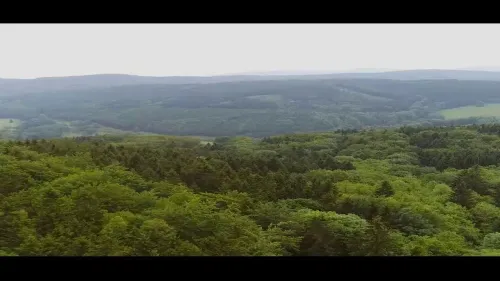
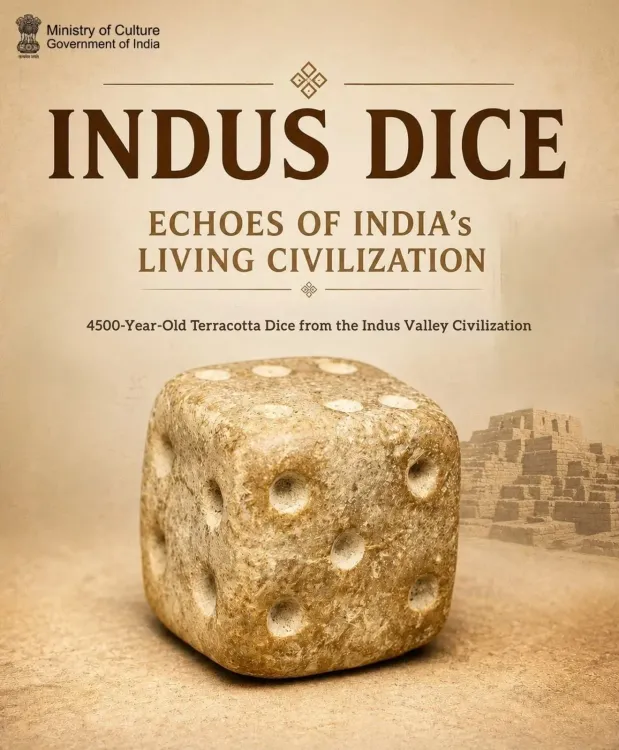
The post was accompanied by an image and shared from Khandu's verified account. No specific event or policy announcement was attached to the statement.
Policy Backdrop
The Archaeological Survey of India has conducted excavations at Harappan sites since the 1920s, establishing the antiquity of urban civilisation on the subcontinent. Debates around the nomenclature — 'Indus Valley' versus 'Indus-Saraswati' — have persisted in academic and policy circles for decades, touching on questions of historical identity, textbook content and heritage education.
The Bharatiya Janata Party, with which Khandu is affiliated, has consistently promoted themes of cultural nationalism in official speeches, educational materials and cultural diplomacy. Assertions of civilisational continuity from antiquity to the present form a recurring element in this broader narrative.
Stakeholders and Impact
The framing resonates with a wide cross-section of the Indian public that identifies with ancient civilisational pride, while historians and academic bodies continue to debate the precise relationship between Harappan urbanism and later Vedic traditions. Bodies such as the Indian Council of Historical Research have periodically weighed in on questions of nomenclature and historical interpretation.
For Arunachal Pradesh — a state at the eastern frontier with deep indigenous cultural traditions of its own — Khandu's framing situates the state's heritage within a pan-Indian civilisational arc, a point that carries both cultural and political resonance in a border region sensitive to questions of identity and sovereignty.
What's Next
Observers will watch whether the statement is followed by policy-level moves, such as references in forthcoming cultural policy documents, parliamentary discussions on heritage education, or institutional support for research into Harappan and Saraswati river archaeology. Academic responses from historical research bodies are also likely to follow as the civilisational-continuity narrative continues to shape public discourse on India's ancient past.
Point of View
Unbroken civilisational narrative. By choosing the Indus-Saraswati framing over the more academically conventional 'Indus Valley' label, the statement implicitly endorses a historiographical position that situates Vedic culture within — rather than after — the Harappan tradition. This has downstream implications for heritage education, textbook policy and the framing of India's cultural diplomacy abroad. The post signals that civilisational discourse will remain a live political and cultural tool well into the current political cycle.
NationPress
16 Oct 2026
Frequently Asked Questions
What is the Indus-Saraswati Civilisation?
The Indus-Saraswati Civilisation is an alternative name for the Indus Valley Civilisation, used in some Indian historical narratives to emphasise a connection between Harappan urbanism and Vedic culture, with the now-dried Saraswati river seen as a key geographical link.
Why did Pema Khandu post about India's civilisational heritage?
Chief Minister Pema Khandu posted on 1 June 2026 asserting India's unbroken civilisational continuity from the Indus-Saraswati period; no specific triggering event was attached to the statement, and it reflects a broader pattern of BJP leaders promoting cultural-nationalist themes.
What is the difference between Indus Valley and Indus-Saraswati Civilisation?
Both terms refer to the same Bronze Age urban culture, but 'Indus-Saraswati' additionally invokes the ancient Saraswati river basin and is favoured by those who see a continuity between Harappan and Vedic traditions, a view that remains debated among historians.
What role does the Indian Council of Historical Research play in this debate?
The Indian Council of Historical Research is a government-funded body that funds and publishes historical scholarship; it has periodically engaged with questions of civilisational nomenclature and is a key institutional voice in debates over how India's ancient past is framed in education and policy.
How does BJP's cultural nationalism connect to statements like Pema Khandu's?
The BJP and affiliated organisations have consistently used the narrative of an unbroken civilisational heritage — from ancient India to the present — in speeches, educational materials and cultural diplomacy, and Khandu's post is consistent with this long-standing political and ideological position.