CM Pema Khandu Marks Biodiversity Day, Calls for Ecosystem Protection
Synopsis
On International Day for Biological Diversity, Arunachal Pradesh Chief Minister Pema Khandu called for collective commitment to protecting life on Earth, invoking the 2026 UN theme of 'Harmony with Nature and Sustainable Development' and highlighting the link between ecosystem health and human well-being.
Key Takeaways
CM Pema Khandu posted on 22 May 2026 , the International Day for Biological Diversity , calling for collective commitment to protecting planetary biodiversity.
He cited this year's UN theme: 'Harmony with Nature and Sustainable Development' , framing conservation as inseparable from human well-being.
Arunachal Pradesh lies within the Eastern Himalayan biodiversity hotspot , one of the world's most ecologically sensitive and species-rich zones.
India ratified the Convention on Biological Diversity in 1994 and enacted the Biological Diversity Act in 2002 to fulfil its obligations.
The National Biodiversity Action Plan was last updated in 2019 to align with Aichi Targets and the Sustainable Development Goals .
Indigenous and tribal communities in Arunachal Pradesh are key stakeholders whose livelihoods depend directly on the health of local ecosystems.
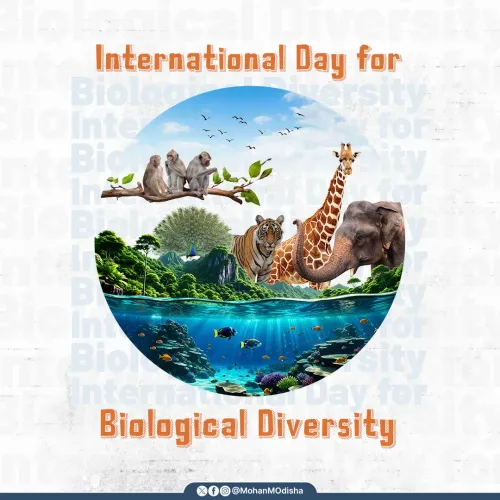
Arunachal Pradesh Chief Minister Pema Khandu on Friday, 22 May 2026, marked the International Day for Biological Diversity by calling on citizens to reaffirm their commitment to protecting the planet's diversity of life. In a post on X, the senior BJP leader invoked this year's theme — 'Harmony with Nature and Sustainable Development' — to underscore the link between human well-being and healthy ecosystems.
Context
The International Day for Biological Diversity is observed every year on 22 May under the auspices of the United Nations, marking the anniversary of the adoption of the Convention on Biological Diversity (CBD). Each year carries a distinct theme; this year's framing of 'Harmony with Nature and Sustainable Development' positions biodiversity conservation not as a constraint on growth but as a precondition for it. CM Khandu quoted the theme directly, signalling alignment with the global multilateral agenda.
India ratified the CBD in 1994, two years after the treaty was opened for signature at the Rio Earth Summit in 1992. The country subsequently enacted the Biological Diversity Act in 2002 to translate those international obligations into domestic law, establishing a three-tier structure of national, state, and local biodiversity management bodies.
Policy Backdrop
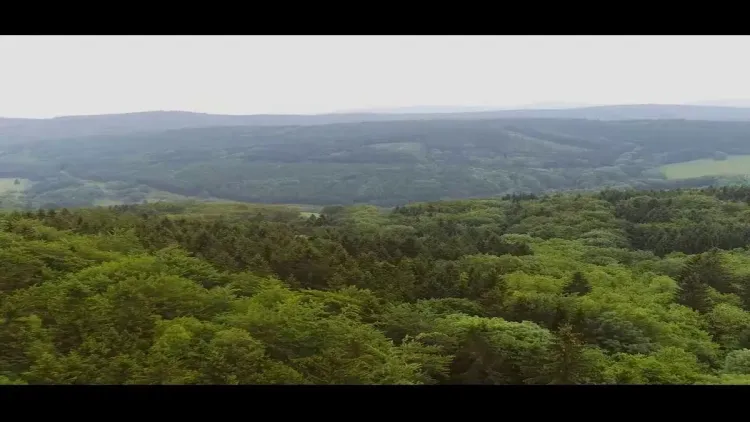
Arunachal Pradesh sits at the heart of the Eastern Himalayan biodiversity hotspot, one of the world's most species-rich and ecologically sensitive regions. The state records exceptionally high levels of endemism — species found nowhere else on Earth — making it a frontline territory in India's conservation commitments. Northeastern states have increasingly integrated biodiversity protection into their development planning frameworks precisely because of this ecological significance.
At the national level, India updated its National Biodiversity Action Plan in 2019 to align with the Aichi Biodiversity Targets and the Sustainable Development Goals (SDGs). The plan charts priorities across forest conservation, wetland management, and the protection of traditional knowledge held by indigenous communities — all of which are directly relevant to a state like Arunachal Pradesh, home to dozens of distinct tribal communities.
Stakeholders and Impact
The most immediate stakeholders in Arunachal Pradesh's biodiversity landscape are its indigenous and tribal communities, whose livelihoods, cultural practices, and food systems are interwoven with forest and river ecosystems. Conservation organisations working across the Eastern Himalayas have long argued that community-led stewardship is among the most effective tools for preserving biodiversity at the local level. CM Khandu's call for 'collective commitment' echoes that principle without prescribing specific policy instruments.
Broader stakeholders include the State Biodiversity Board of Arunachal Pradesh and the National Biodiversity Authority, both of which are responsible for implementing the Biological Diversity Act. Civil society groups and researchers monitoring endemic species and forest cover in the region will look to such public statements as signals of political will ahead of any state-level action plan revisions.
What's Next
Observers will watch for whether CM Khandu's statement translates into concrete policy announcements, particularly any updates to Arunachal Pradesh's State Biodiversity Action Plan. At the multilateral level, India's participation in upcoming CBD Conference of the Parties (COP) meetings will determine how national commitments evolve. The convergence of biodiversity policy with climate resilience planning is expected to intensify as the Eastern Himalayan region faces accelerating pressures from shifting rainfall patterns and land-use change.
Point of View
Reinforcing Arunachal Pradesh's identity as a conservation-critical state. For a BJP-governed frontier state that must balance infrastructure-led development with ecological sensitivity, such public affirmations serve a dual purpose: demonstrating environmental credentials domestically while signalling continuity with India's international treaty commitments. The invocation of 'Harmony with Nature and Sustainable Development' is also notable because it implicitly pushes back against the binary that pits growth against conservation — a framing increasingly central to India's positioning in global climate and biodiversity negotiations. Whether the statement catalyses concrete state-level policy action or remains ceremonial will be the real test of its significance.
NationPress
6 Oct 2026
Frequently Asked Questions
What is the International Day for Biological Diversity?
The International Day for Biological Diversity is a UN-observed annual event held on 22 May to raise awareness about biodiversity issues; the date marks the adoption of the Convention on Biological Diversity in 1992.
What is the theme of International Biodiversity Day 2026?
The 2026 theme is 'Harmony with Nature and Sustainable Development' , which emphasises that human progress and the health of natural ecosystems are deeply interconnected.
Why is Arunachal Pradesh important for biodiversity in India?
Arunachal Pradesh is located within the Eastern Himalayan biodiversity hotspot , which records exceptionally high levels of endemic species — plants and animals found nowhere else on Earth — making it one of India's most ecologically significant states.
What is India's law on biodiversity conservation?
India enacted the Biological Diversity Act in 2002 to implement its obligations under the Convention on Biological Diversity , which it ratified in 1994 ; the Act established national, state, and local biodiversity management bodies.