CM Majhi Pledges to Protect Odisha's Biodiversity on UN Day
Synopsis
On International Day for Biological Diversity, Odisha Chief Minister Mohan Charan Majhi pledged to protect the state's forests, wildlife, rivers and natural ecosystems, calling biodiversity preservation the foundation of a healthier and greener tomorrow.
Key Takeaways
Odisha Chief Minister Mohan Charan Majhi issued a biodiversity pledge on 22 May 2026 , the International Day for Biological Diversity .
The UN observance marks the anniversary of the Convention on Biological Diversity text adopted in 1992 ; India ratified the treaty in 1994 .
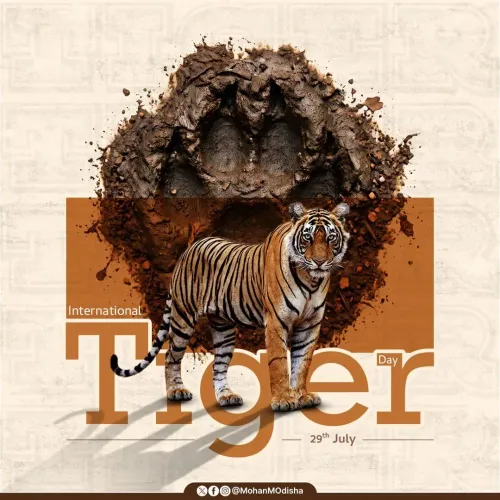
Odisha hosts major biodiversity zones including Similipal Tiger Reserve and Chilika Lake , a Ramsar-designated wetland.
The state has participated in national programmes such as Project Tiger and the National Mission for Green India .
No new scheme was announced; the appeal aligns with a broader pattern of state leaders marking international environment days.
Next steps to watch include Odisha's updated biodiversity action plan and forest department budget allocations for 2026-27 .
Odisha Chief Minister Mohan Charan Majhi on Friday, 22 May 2026 called for the protection of Odisha's forests, wildlife, rivers and natural ecosystems on the occasion of the International Day for Biological Diversity, urging citizens to commit to a greener and healthier future.
Context
The International Day for Biological Diversity is observed every year on 22 May to mark the anniversary of the adoption of the text of the Convention on Biological Diversity (CBD) in 1992. The United Nations established the observance to raise awareness about the loss of plant, animal and ecosystem diversity worldwide. India ratified the CBD in 1994, committing to conservation and sustainable use of biological resources.
Chief Minister Majhi's message stated: 'Let us pledge to protect Odisha's forests, wildlife, rivers and natural ecosystems that sustain life and inspire generations. Preserving biodiversity today is securing a healthier and greener tomorrow.' The appeal reflects the broader national pattern of state governments using international observance days to spotlight their natural heritage.
Policy Backdrop
India enacted the Biological Diversity Act in 2002 to translate the CBD's obligations into domestic law, mandating the formation of Biodiversity Management Committees at the local level. Odisha notified its first State Biodiversity Strategy and Action Plan in 2002, which was later updated to align with national targets for forest cover and protected area expansion.
Odisha is home to some of eastern India's most significant biodiversity zones, including the Similipal Tiger Reserve, Chilika Lake — a Ramsar-designated wetland — and extensive coastal mangrove forests. The state has been a participant in national programmes such as Project Tiger and the National Mission for Green India, reflecting continuity in forest and wildlife policy across successive administrations.
India is also a signatory to the post-2020 Global Biodiversity Framework adopted at COP15 in Montreal, which sets ambitious targets for protecting at least 30 per cent of land and ocean areas by 2030. State-level action plans are considered critical to meeting these national commitments.
Stakeholders and Impact
Forest dwellers and tribal communities across Odisha are among the most directly affected stakeholders in any biodiversity-related policy shift, as their livelihoods are closely tied to forest resources. Wildlife conservation groups operating in the state have consistently called for stronger enforcement of protected area boundaries and greater community participation in biodiversity governance.
The Chief Minister's appeal, while not announcing a specific new scheme, signals continued political attention to the state's ecological assets at a time when forest encroachment and climate-linked habitat degradation remain active concerns in eastern India.
What's Next
Observers will watch for the release of Odisha's updated biodiversity action plan targets and any dedicated forest department allocations in the 2026-27 state budget as concrete follow-through on the Chief Minister's pledge. The alignment of state-level commitments with India's obligations under the Global Biodiversity Framework will remain a key benchmark for conservation advocates. How the Majhi administration translates this public affirmation into measurable policy steps will determine its long-term impact on Odisha's natural ecosystems.
Point of View
Ramsar wetlands and tribal forest communities — the gap between rhetorical pledges and measurable conservation outcomes is a recurring tension. The statement's value will ultimately be judged against budget allocations and enforcement records, particularly as India races to meet its Global Biodiversity Framework targets by 2030. It also reflects the BJP-led state government's interest in positioning Odisha's natural wealth as both a conservation priority and a development asset.
NationPress
6 Oct 2026
Frequently Asked Questions
What is the International Day for Biological Diversity?
The International Day for Biological Diversity is a UN observance held every year on 22 May to raise awareness about biodiversity loss. It marks the anniversary of the adoption of the Convention on Biological Diversity text in 1992.
What did Odisha CM Mohan Majhi say on Biodiversity Day 2026?
CM Mohan Charan Majhi called on citizens to pledge protection of Odisha's forests, wildlife, rivers and natural ecosystems, stating that 'preserving biodiversity today is securing a healthier and greener tomorrow.'
What are Odisha's major biodiversity areas?
Odisha's key biodiversity zones include the Similipal Tiger Reserve, Chilika Lake — a Ramsar-designated wetland — and extensive coastal mangrove forests along the Bay of Bengal.
What is India's Biological Diversity Act?
India's Biological Diversity Act, enacted in 2002, gives domestic legal effect to the Convention on Biological Diversity. It mandates the creation of Biodiversity Management Committees at the local level to oversee conservation and sustainable use of biological resources.
What is the Global Biodiversity Framework and how does it affect India?
The Global Biodiversity Framework, adopted at COP15 in Montreal, sets a target of protecting at least 30 per cent of land and oceans by 2030. India is a signatory and relies on state-level action plans, including Odisha's, to meet these national commitments.