CM Sukhu Marks International Biodiversity Day, Urges Conservation
Synopsis
On International Day for Biological Diversity, Himachal Pradesh CM Sukhvinder Singh Sukhu called for collective pledges on nature conservation, environmental enrichment, and biodiversity protection, aligning the Himalayan state's messaging with India's CBD commitments and global biodiversity targets.
Key Takeaways
CM Sukhvinder Singh Sukhu marked International Day for Biological Diversity on 22 May 2026 with a public appeal for collective conservation action.
International Day for Biological Diversity has been observed globally on 22 May every year since 2000 under UN auspices.
India ratified the Convention on Biological Diversity in 1992 and enacted the Biological Diversity Act in 2002 to implement it domestically.
Himachal Pradesh established its State Biodiversity Board in 2006 to oversee local conservation and access-benefit sharing mechanisms.
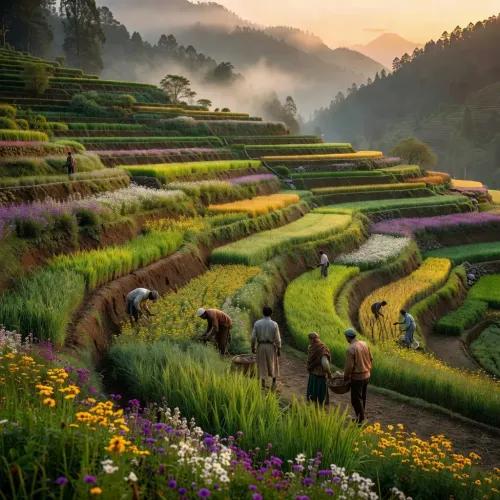
Himalayan ecosystems in Himachal Pradesh are critical water sources for the Indo-Gangetic plain , making biodiversity protection a matter of national significance.
Budget allocations under the state's biodiversity action plan in the upcoming monsoon session will be a key indicator of follow-through on the stated commitment.
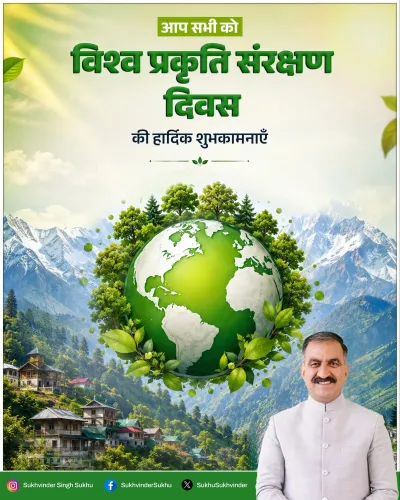
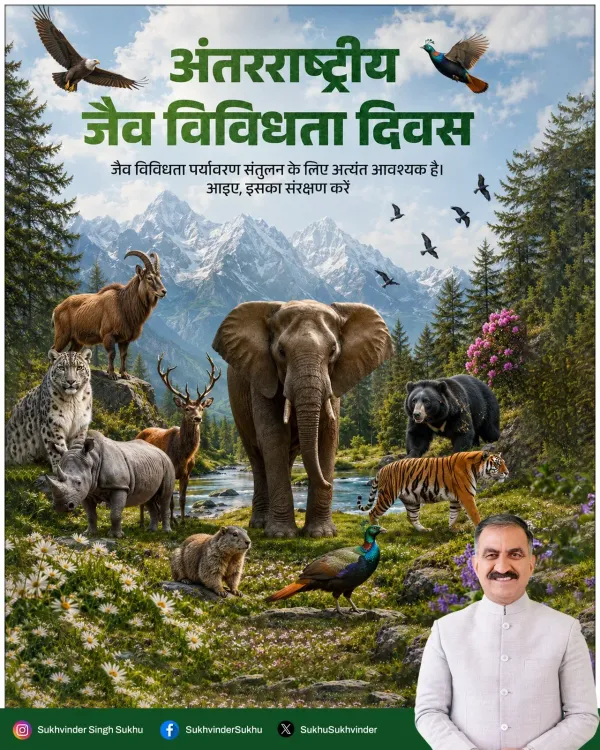
Himachal Pradesh Chief Minister Sukhvinder Singh Sukhu on Friday, 22 May 2026, extended greetings on International Day for Biological Diversity, calling on citizens to pledge collective action toward nature conservation, environmental enrichment, and the protection of biodiversity.
In his post on X, CM Sukhu wrote in Hindi: 'आइए, हम सभी मिलकर प्रकृति के संरक्षण, पर्यावरण के संवर्धन एवं जैव विविधता की रक्षा हेतु जागरूकता, जिम्मेदारी और सामूहिक सहभागिता के साथ निरंतर प्रयास करने का संकल्प लें।' [Translation: 'Let us all together resolve to continuously strive with awareness, responsibility, and collective participation for the conservation of nature, the enrichment of the environment, and the protection of biodiversity.']
Context
International Day for Biological Diversity is observed every year on 22 May under the auspices of the United Nations. The day has been marked globally since 2000 to raise awareness about the importance of biodiversity and the threats it faces from habitat loss, climate change, and unsustainable development. India is a signatory to the Convention on Biological Diversity (CBD), adopted at the Rio Earth Summit in 1992, which commits nations to conservation, sustainable use, and equitable sharing of benefits arising from genetic resources.
Policy Backdrop
India enacted the Biological Diversity Act in 2002 to translate its CBD obligations into domestic law. At the state level, Himachal Pradesh constituted its State Biodiversity Board in 2006, mandated to oversee local conservation efforts and access-benefit sharing mechanisms for biological resources. Himachal Pradesh is among the most ecologically significant states in the country, encompassing dense forests, high-altitude alpine ecosystems, glaciers, and numerous wildlife sanctuaries that feed the Indo-Gangetic plain's water systems.
Himalayan ecosystems serve as critical water towers for large parts of northern and central India, making biodiversity protection in the region directly linked to food security, river health, and climate resilience well beyond the state's borders.
Stakeholders and Impact
The message resonates most immediately with Himachal Pradesh's forest-dependent communities, including tribal and rural populations whose livelihoods are intertwined with the health of local ecosystems. Local biodiversity boards, gram panchayats, and community forest rights holders are key institutional actors in translating such state-level messaging into on-ground conservation practice. Environmental civil society organisations active in the Western Himalayas also look to such statements as signals of political will ahead of budget allocations and programme reviews.
At the national level, India's commitments under the Kunming-Montreal Global Biodiversity Framework — adopted at COP15 — require states to align their action plans with targets including protecting 30 per cent of land and water areas by 2030. State-level messaging and action plans feed directly into India's national biodiversity strategy reporting to the CBD secretariat.
What's Next
Attention will turn to whether Himachal Pradesh's upcoming monsoon budget session includes fresh allocations under the state's biodiversity action plan or new conservation initiatives in protected areas. Observers will also watch for any state-level announcements ahead of the next Conference of Parties to the CBD. CM Sukhu's message, while ceremonial in tone, reinforces the state government's stated commitment to ecological stewardship in one of India's most environmentally sensitive regions.
Point of View
And CM Sukhu's message fits that established pattern. However, for Himachal Pradesh — a state whose rivers, glaciers, and forests underpin water security for hundreds of millions downstream — such statements carry added weight beyond ceremonial optics. The message arrives as Indian states face growing pressure to align sub-national biodiversity action plans with the Kunming-Montreal Framework's 30x30 targets. Whether this rhetorical commitment translates into concrete budget lines and enforcement in protected areas will be the real test of the state's environmental governance in the months ahead.
NationPress
6 Oct 2026
Frequently Asked Questions
What is International Day for Biological Diversity?
International Day for Biological Diversity is a UN-observed annual event held on 22 May each year since 2000 to raise awareness about the importance of biodiversity conservation worldwide.
What did CM Sukhu say on Biodiversity Day 2026?
CM Sukhvinder Singh Sukhu extended greetings and called on all citizens to pledge continuous efforts toward nature conservation, environmental enrichment, and biodiversity protection with awareness, responsibility, and collective participation.
What is India's law on biodiversity conservation?
India enacted the Biological Diversity Act in 2002 to implement its obligations under the Convention on Biological Diversity , which the country ratified following the 1992 Rio Earth Summit .
Does Himachal Pradesh have a biodiversity board?
Yes. Himachal Pradesh constituted its State Biodiversity Board in 2006 to oversee local conservation efforts, regulate access to biological resources, and implement access-benefit sharing mechanisms under national biodiversity law.
Why is Himachal Pradesh important for biodiversity in India?
Himachal Pradesh hosts Himalayan forests, alpine ecosystems, glaciers, and wildlife sanctuaries that are critical water sources for the Indo-Gangetic plain , making its biodiversity directly linked to water security and climate resilience across northern India .