CM Hemant Soren Holds B2G Stakeholder Meet on Jharkhand Investment
Synopsis
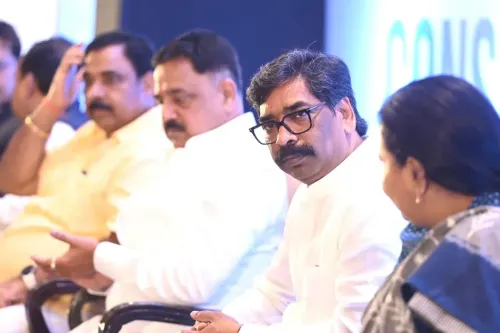
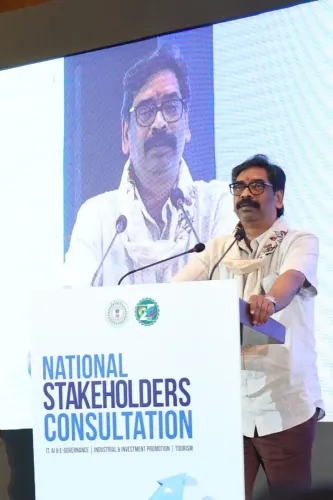
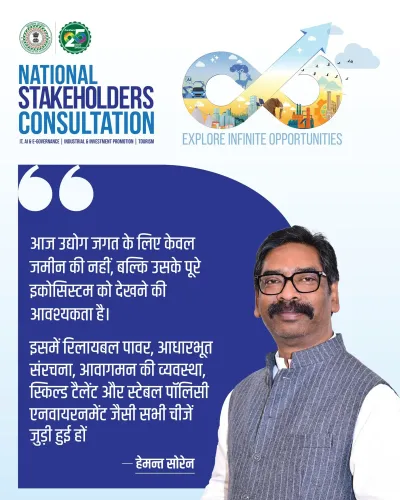
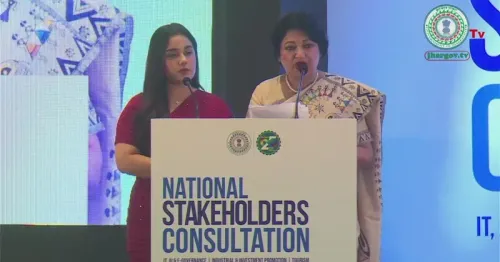
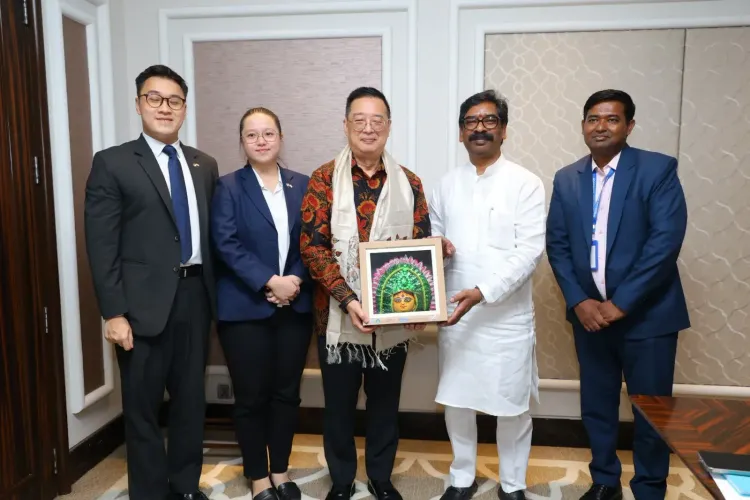
Chief Minister Hemant Soren chaired a B2G National Stakeholders Consultation on July 9, 2026, bringing together industrial investors and MSME representatives to accelerate investment and development in Jharkhand, in coordination with the state's Department of Industries.
Key Takeaways
Chief Minister Hemant Soren chaired a B2G National Stakeholders Consultation on July 9, 2026 focused on industrial investment in Jharkhand.
The meeting was organised in coordination with the Department of Industries, Jharkhand .
The consultation aimed to accelerate industrial investment and development across the state.
Participants included industrial investors and representatives from the MSME sector .
The B2G format is part of a broader state strategy to convert policy intent into a concrete project pipeline ahead of potential investor summits.
Follow-up announcements on MoUs, policy changes, or project approvals are expected in the coming weeks.
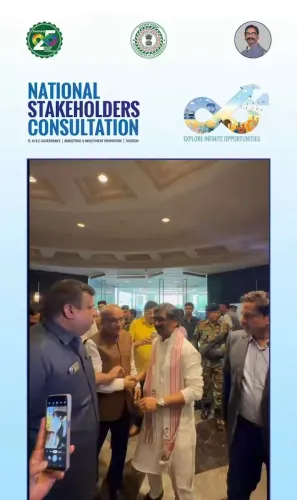
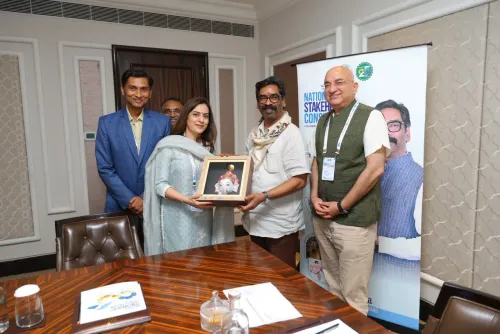
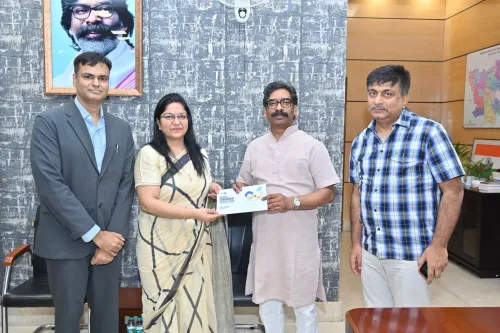
The Chief Minister's Office of Jharkhand on Thursday, July 9, 2026, announced that Chief Minister Hemant Soren chaired a Business-to-Government (B2G) National Stakeholders Consultation aimed at accelerating industrial investment and development across the state.
The official post, shared by the CMO, described the meeting as a platform 'राज्य में औद्योगिक निवेश और विकास को गति देने के उद्देश्य से हितधारकों के साथ B2G बैठक' ('a B2G meeting with stakeholders aimed at giving momentum to industrial investment and development in the state'). The consultation was conducted in coordination with the Department of Industries, Jharkhand.
Context
Jharkhand is among India's most mineral-rich states, holding significant reserves of coal, iron ore, copper, and mica. Despite this natural endowment, the state has historically struggled to translate resource wealth into a diversified industrial base and sustained private investment. Stakeholder consultations of this kind represent a structured attempt to bridge that gap by bringing government and business interlocutors into direct dialogue.
The B2G format — where private sector representatives engage directly with government officials to align investment proposals with policy frameworks — has gained traction across Indian states as a precursor to formal investor summits and memoranda of understanding.
Policy Backdrop
Jharkhand's Industrial Policy 2016 laid the foundational framework for attracting private capital, introducing incentive structures and a single-window clearance mechanism designed to reduce bureaucratic friction for incoming investors. Since then, the state has sought to position itself within national manufacturing and ease-of-doing-business frameworks.
Chief Minister Hemant Soren, representing the Jharkhand Mukti Morcha (JMM), has made industrial outreach a recurring feature of his administration. B2G consultations of this nature typically feed into a pipeline of policy adjustments, project approvals, and potential MoUs that are formalised at subsequent investor summits or in state budget allocations for industrial infrastructure.
Stakeholders and Impact
The consultation brought together industrial investors and representatives from the MSME sector, reflecting the state government's dual focus on large-scale industrial projects and smaller enterprise development. The Department of Industries, Jharkhand — the nodal agency for industrial policy and investment promotion — co-hosted the engagement.
For the MSME segment in particular, such consultations carry significance: smaller enterprises often require targeted policy support, credit linkages, and infrastructure access that can only be unlocked through direct government engagement. Industrial investors, meanwhile, typically seek regulatory clarity and land availability assurances before committing capital.
What's Next
Observers will watch for follow-up announcements emerging from the July 9 consultation — including potential policy tweaks, new investment proposals, or formal MoUs. The state's pattern of using B2G meetings as a precursor to larger investor summits suggests that announcements on project approvals or infrastructure commitments could follow in the coming weeks.
Jharkhand's ability to convert stakeholder intent into on-ground investment will be a key indicator of whether the consultation translates into measurable economic momentum for the state.
Point of View
Likely in preparation for a larger investment summit or budget-linked industrial push. Jharkhand's mineral wealth has long been an underleveraged asset, and structured stakeholder dialogues are the standard precursor to MoU pipelines in the competitive inter-state investment race. The involvement of the Department of Industries alongside MSME stakeholders suggests the government is hedging its bets — courting both large capital and the politically significant small-enterprise constituency. Whether this consultation yields concrete project commitments will be the real measure of its ambition.
NationPress
8 Oct 2026
Frequently Asked Questions
What is the B2G National Stakeholders Consultation held by CM Hemant Soren?
It is a Business-to-Government meeting chaired by Jharkhand Chief Minister Hemant Soren on July 9, 2026, where industrial investors and MSME representatives engaged directly with the state government to discuss accelerating industrial investment and development in Jharkhand.
Why is Jharkhand holding stakeholder consultations for industrial investment?
Jharkhand is seeking to attract private capital into its manufacturing and industrial sectors by aligning government policy with investor needs. Despite being mineral-rich, the state has historically needed structured outreach to convert resource potential into active investment.
What is the role of the Department of Industries Jharkhand in this meeting?
The Department of Industries, Jharkhand, is the state's nodal agency for industrial policy and investment promotion. It co-hosted the July 9 consultation and is responsible for translating outcomes — such as MoUs or policy tweaks — into actionable steps.
What outcomes are expected from the Jharkhand B2G stakeholder consultation?
Observers expect follow-up announcements including potential policy adjustments, new investment proposals, formal MoUs, or project approvals. Such consultations in Jharkhand have historically preceded larger investor summits or state budget allocations for industrial infrastructure.
What is Jharkhand's industrial policy framework?
Jharkhand's Industrial Policy 2016 is the foundational framework, offering incentive structures and a single-window clearance mechanism to reduce bureaucratic friction for investors. The state has since aligned its strategy with national manufacturing and ease-of-doing-business frameworks.