Shekhawat on PM Modi's Australia visit: Indian roots run deep
Synopsis
Union Culture and Tourism Minister Gajendra Singh Shekhawat invoked the image of Indian chai and desi tadka to mark PM Modi's Australia visit on 9 July 2026, signalling that cultural identity endures even as India-Australia economic and strategic ties deepen under the Comprehensive Strategic Partnership.
Key Takeaways
Gajendra Singh Shekhawat , Union Minister of Culture and Tourism, posted on X on 9 July 2026 during PM Modi 's Australia visit.
The post used a chai-and-tadka metaphor to highlight the resilience of Indian cultural identity within the Indian diaspora in Australia .
India and Australia signed the India-Australia Economic Cooperation and Trade Agreement in 2022 , expanding bilateral market access.
The two nations upgraded ties to a Comprehensive Strategic Partnership in 2020 , covering defence, trade, education, and people-to-people links.
Shekhawat's post is part of New Delhi 's broader soft-power strategy of pairing high-level visits with cultural outreach to diaspora communities.
Follow-up cultural or tourism MoUs during the visit and monsoon session parliamentary references remain key events to watch.
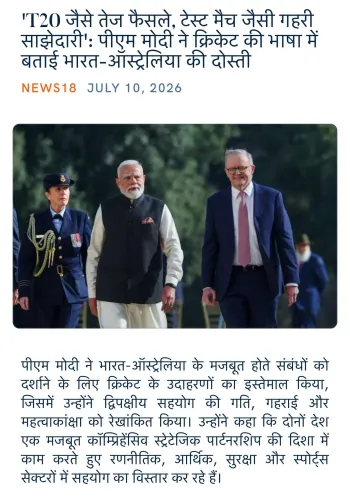
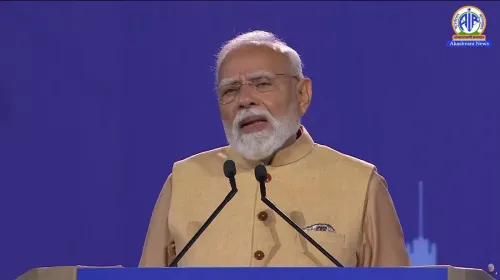
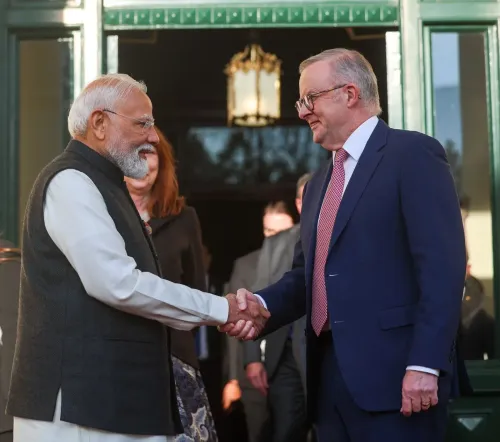
Union Culture and Tourism Minister Gajendra Singh Shekhawat on Thursday, 9 July 2026 invoked a vivid domestic metaphor to mark Prime Minister Narendra Modi's ongoing visit to Australia, posting on X that while Australian milk and vegetables may enter Indian homes, the tea is still brewed the Indian way and the tempering on the stove remains unmistakably desi.
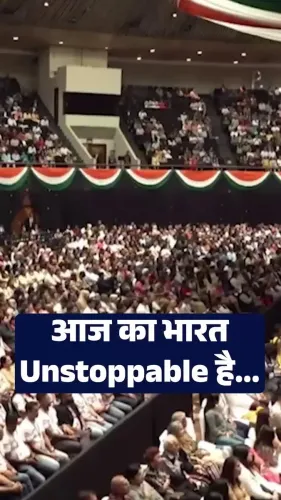
Shekhawat wrote, 'Ghar mein doodh Australia wala aata hai lekin chai Bharat wali banti hai. Ghar mein sabzi bhale Australia ki ho, lekin tadka aaj bhi desi hi lagta hai' — loosely translated: 'The milk in the home may come from Australia, but the tea is made the Indian way. The vegetables may be Australian, but the tempering is still desi.' The post, tagged #PMModiInAustralia, accompanied a video and was aimed squarely at the large Indian diaspora settled in Australia.
Context
The post arrives during PM Modi's visit to Australia, a trip that builds on years of steadily deepening bilateral engagement. The cultural reference — chai, sabzi, tadka — is a deliberate soft-power signal, reminding the diaspora and domestic audiences alike that economic integration with Australia has not diluted Indian cultural identity.
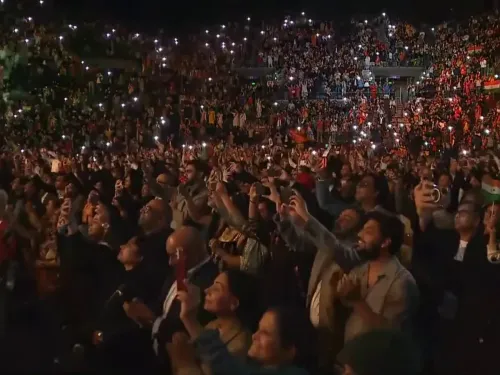
India's cultural diplomacy has increasingly leaned on such everyday imagery during high-level foreign visits, particularly in countries with large Indian communities. Australia is home to one of India's fastest-growing diaspora populations, making cultural resonance a key diplomatic tool.
Policy Backdrop
India and Australia elevated ties to a Comprehensive Strategic Partnership in 2020, covering defence, trade, education, and people-to-people links. The India-Australia Economic Cooperation and Trade Agreement, signed in 2022, expanded market access for goods and services between the two nations — lending literal weight to Shekhawat's metaphor of Australian produce entering Indian kitchens.
PM Modi has engaged with Australia at multiple multilateral forums since 2014, including the G20 summit in Brisbane, progressively advancing defence and education cooperation alongside the trade relationship.
Stakeholders and Impact
For the Indian diaspora in Australia, the post functions as an affirmation of cultural continuity — a message from a senior Union Minister that Indian identity endures even as economic ties with Australia deepen. For the tourism sector, the spotlight on India-Australia warmth reinforces a bilateral environment conducive to increased two-way travel.
As Culture and Tourism Minister, Shekhawat's intervention is also a reminder that soft power — cuisine, language, daily ritual — is an active instrument of Indian foreign policy, not merely incidental to it. The framing aligns with New Delhi's broader Indo-Pacific strategy of combining strategic partnerships with cultural outreach.
What's Next
Observers will watch for any cultural or tourism memoranda of understanding announced during the remainder of PM Modi's Australia visit, which could give institutional form to the soft-power messaging Shekhawat has amplified. Parliamentary discussions during the upcoming monsoon session may also reference the Australia relationship, particularly on trade and diaspora affairs.
India's cultural diplomacy playbook — deploying ministers to echo the emotional register of a Prime Ministerial visit — suggests that formal announcements, if any, will be accompanied by continued people-to-people messaging aimed at the diaspora.
Point of View
Not merely transactional interest.
NationPress
8 Oct 2026
Frequently Asked Questions
Why did Gajendra Singh Shekhawat post about chai and Australia?
Shekhawat used the chai-and-tadka metaphor to celebrate PM Modi's Australia visit and to signal that Indian cultural identity remains strong within the Indian diaspora in Australia, even as economic ties between the two countries deepen.
What is PM Modi doing in Australia in July 2026?
PM Modi is on a bilateral visit to Australia in July 2026, continuing engagement under the India-Australia Comprehensive Strategic Partnership that covers defence, trade, education, and people-to-people ties.
What is the India-Australia Comprehensive Strategic Partnership?
India and Australia upgraded their bilateral relationship to a Comprehensive Strategic Partnership in 2020, establishing closer cooperation on defence, trade, education, and cultural exchanges.
What is the India-Australia trade agreement?
The India-Australia Economic Cooperation and Trade Agreement, signed in 2022, expanded market access for goods and services between the two countries, forming the backbone of their growing economic relationship.
What is Gajendra Singh Shekhawat's role in the Indian government?
Gajendra Singh Shekhawat is the Union Minister of Culture and Tourism, a senior BJP leader, and the Lok Sabha Member of Parliament from Jodhpur, Rajasthan.