CM Rekha Gupta Shares Modi Quote on India-Australia Trade and Culture
Synopsis
Delhi Chief Minister Rekha Gupta shared a quote by PM Narendra Modi on X, noting that while Australian dairy and vegetables have entered Indian homes under the India-Australia trade pact, indigenous spices and tea culture remain the defining force in the Indian kitchen — framing trade openness as culturally non-threatening.
Key Takeaways
Delhi CM Rekha Gupta posted a quote attributed to PM Narendra Modi on 9 July 2026 on X.
The quote highlights that Australian milk, lentils, and vegetables are present in Indian homes but cooking remains anchored in desi (indigenous) spices .
The India-Australia ECTA , signed in April 2022 , liberalised trade in dairy and agri-products, increasing Australian imports in Indian markets.
PM Modi 's Atmanirbhar Bharat initiative has consistently framed global trade as compatible with Indian cultural self-reliance since 2020 .
The Indian domestic spice and masala industry is positioned as a cultural constant even as imported ingredients grow in prevalence.
The post is part of a broader BJP communication pattern linking economic openness with cultural continuity ahead of future trade reviews.
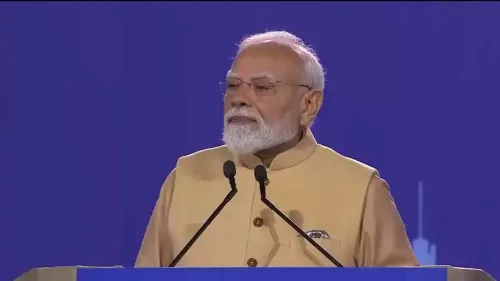
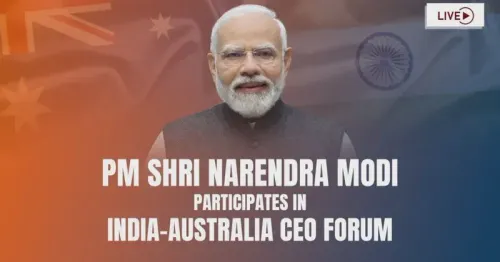
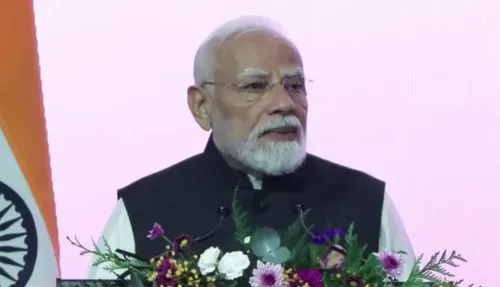
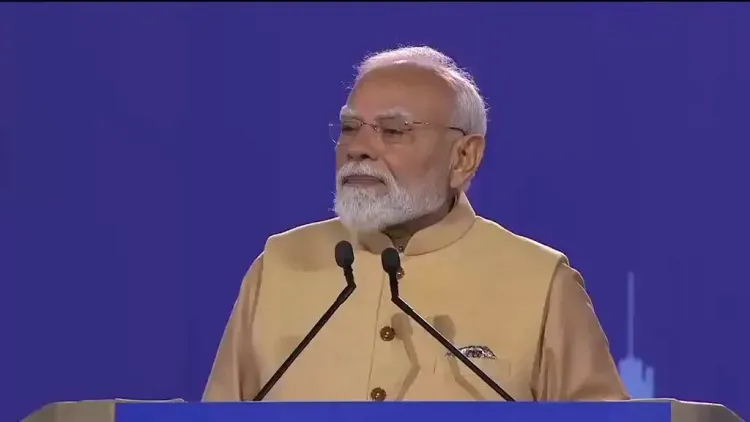
Delhi Chief Minister Rekha Gupta on Thursday, 9 July 2026, shared a quote attributed to Prime Minister Narendra Modi on X, highlighting his remarks on how Australian imports have entered Indian homes without displacing indigenous food traditions and culture.
Context
The quote shared by CM Gupta reads: 'Ghar mein doodh Australia wala aata hai lekin chai Bharat wali banti hai, daal sabziyan Australia ki hain lekin unmen tadka desi masalon ka hi lagta hai' — translated as: 'The milk at home comes from Australia but the tea made is Indian; the lentils and vegetables are Australian but the tempering in them is always with local spices.' The post, which includes a video, attributes these words to Prime Minister Modi.
The remark encapsulates a recurring theme in Indian political discourse: that economic openness and global trade need not erode the country's cultural and culinary identity. The exact occasion on which PM Modi made this statement has not been independently confirmed.
Policy Backdrop
The remark sits against the backdrop of the India-Australia Economic Cooperation and Trade Agreement (ECTA), signed in April 2022, which liberalised trade in dairy, vegetables, and other agricultural products — making Australian produce more accessible in Indian markets. Since then, Australian dairy and agri-commodities have seen a measurable increase in their presence in Indian retail and household consumption.
PM Modi's Atmanirbhar Bharat initiative, announced in May 2020, has consistently framed selective global imports as compatible with domestic cultural confidence. Indian leadership has repeatedly used this framing across trade discussions, FDI policy, and diaspora outreach — positioning economic integration as an enhancement of, rather than a threat to, Indian identity.
Stakeholders and Impact
The quote resonates with several stakeholders: Indian households navigating a marketplace increasingly stocked with imported goods; the domestic spice and masala industry, which remains deeply embedded in everyday cooking regardless of where raw ingredients originate; and agri-importers who have benefited from eased tariffs under ECTA.
For the Indian spice sector — one of the country's most culturally and economically significant agri-industries — the Prime Minister's framing is a notable endorsement. It suggests that even as Australia becomes a significant agricultural supplier, the 'desi tadka' (local tempering) remains the defining element of the Indian kitchen.
What's Next
The next India-Australia Joint Trade Committee meeting reviewing ECTA implementation is expected to draw attention to both the economic and cultural dimensions of the trade relationship. CM Gupta's decision to amplify this quote signals continued BJP messaging around the idea that India can engage with the world economically while remaining rooted in its traditions — a theme likely to feature in future trade and cultural diplomacy discussions.
Point of View
Allowing the BJP to defend trade liberalisation without appearing to concede cultural ground. This framing has been a consistent feature of the Modi government's communication strategy since the Atmanirbhar Bharat launch, and its reappearance in a Delhi CM's post suggests it remains a central plank as India-Australia trade ties deepen. Analysts will watch whether this cultural-continuity narrative intensifies ahead of the next ECTA review meeting.
NationPress
9 Jul 2026
Frequently Asked Questions
What did PM Modi say about Australian imports and Indian culture?
PM Modi was quoted as saying that while milk, lentils, and vegetables from Australia have entered Indian homes, the tea remains Indian-style and cooking is always tempered with local desi spices, suggesting cultural practices endure despite trade openness.
Why did Delhi CM Rekha Gupta share this quote?
CM Rekha Gupta shared the quote on X on 9 July 2026 to highlight PM Modi's view that India's cultural and culinary identity remains strong even as the country opens its markets to imports from partners like Australia under trade agreements.
What is the India-Australia ECTA and how does it affect Indian homes?
The India-Australia Economic Cooperation and Trade Agreement, signed in April 2022, reduced tariffs on Australian dairy, vegetables, and other agricultural goods, making products like Australian milk and lentils more widely available in Indian retail markets.
How does Atmanirbhar Bharat relate to importing Australian food products?
The Atmanirbhar Bharat initiative promotes domestic production and self-reliance but also frames selective global imports as acceptable when Indian cultural practices — such as using local spices — remain central to daily life, reconciling trade openness with national identity.
What is the significance of 'desi masala' in this political context?
'Desi masala' — indigenous Indian spices used for tempering — is used as a cultural symbol to argue that no matter where raw ingredients originate, Indian cooking traditions and identity remain the defining element of the Indian household.