Akhilesh Yadav condoles death of Fatehpur Sikri dargah custodian
Synopsis
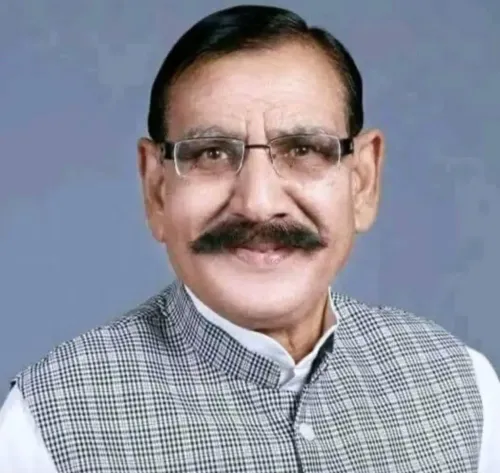
Samajwadi Party president Akhilesh Yadav mourned the death of Ayazuddin Faridi Chishti, the hereditary custodian of the Sheikh Salim Chishti Dargah at Fatehpur Sikri, Agra, calling the loss deeply sorrowful and offering condolences to the bereaved family on 9 July 2026.
Key Takeaways
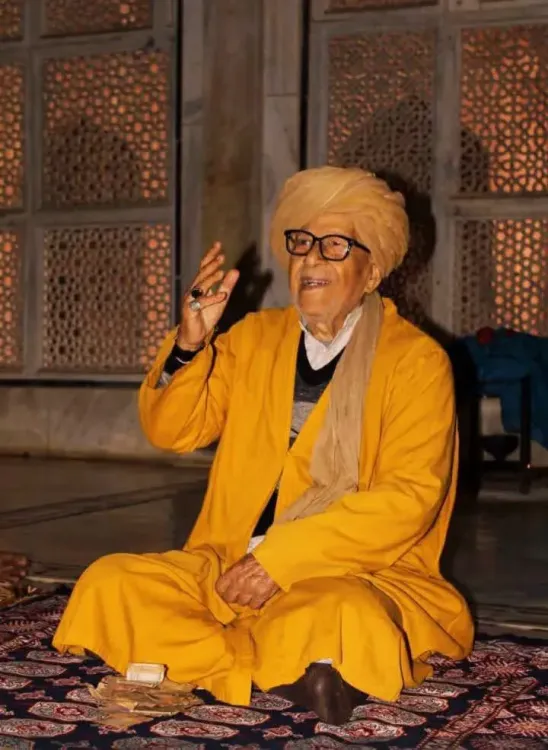
Ayazuddin Faridi Chishti , also known as Rais Mian Sahab , the sajjadanashin of the Sheikh Salim Chishti Dargah at Fatehpur Sikri , has passed away.
Samajwadi Party president Akhilesh Yadav expressed condolences on 9 July 2026 , calling the death 'deeply sorrowful'.
The dargah is situated within Fatehpur Sikri , a UNESCO World Heritage Site near Agra , built by Mughal Emperor Akbar in the 16th century.
The sajjadanashin is the hereditary spiritual custodian of the shrine, a position of significant religious authority within the Chishti Sufi order .
Succession to the sajjadanashin position is expected to be determined within the family lineage of the deceased.
Samajwadi Party president Akhilesh Yadav on Thursday, 9 July 2026 expressed grief over the passing of Ayazuddin Faridi Chishti, also known as Rais Mian Sahab, the sajjadanashin (hereditary custodian) of the Sheikh Salim Chishti Dargah at Fatehpur Sikri in Agra.
Context
Posting on X, Yadav described the death as 'atyanth dukkhad' ('deeply sorrowful') and offered condolences to the bereaved family. He prayed that the departed soul find peace and that the grieving family be granted the strength to bear the immense loss, closing with a heartfelt tribute — 'Bhaavbheeni shraddhanjali' ('a heartfelt homage').
The sajjadanashin is the hereditary spiritual head of a dargah, a position that carries both religious authority and the responsibility of managing the shrine's affairs and devotional traditions across generations.
Policy Backdrop
The Sheikh Salim Chishti Dargah is located within Fatehpur Sikri, a UNESCO World Heritage Site built by Mughal Emperor Akbar in the 16th century. The dargah is dedicated to the Sufi saint Sheikh Salim Chishti of the Chishti order, whose blessings Akbar is said to have sought before the birth of his son. The site draws pilgrims and tourists from across India and the world year-round.
The Chishti order is among the most prominent Sufi orders in the Indian subcontinent, with shrines spread across northern India, several of them in Uttar Pradesh. The sajjadanashin of the Fatehpur Sikri dargah occupies a position of considerable spiritual standing within this tradition.
Stakeholders and Impact
The passing of the dargah's custodian is significant for Sufi devotees and the broader Muslim community in Uttar Pradesh, for whom the Chishti shrines serve as living centres of spiritual life. Pilgrims and devotees who visit the dargah regularly would regard the sajjadanashin as a central spiritual figure.
Leaders of Uttar Pradesh-based political parties have a long-standing practice of publicly acknowledging the deaths of hereditary custodians of historic Sufi shrines. Such condolences reflect sustained engagement with Muslim religious institutions in a state where these shrines hold deep cultural and communal importance.
What's Next
Attention will now turn to whether other state and national leaders issue similar condolences, and to any announcement regarding the succession to the sajjadanashin position at the Sheikh Salim Chishti Dargah. The process of identifying and installing a new hereditary custodian is typically determined within the family lineage of the incumbent, and such transitions are closely watched by the dargah's devotees and the wider Sufi community.
Point of View
These gestures signal sustained outreach to Muslim religious communities. The death of a hereditary dargah custodian also raises the politically watched question of succession, which can itself become a point of engagement for political actors. The tribute underscores how Sufi heritage sites in UP continue to occupy a distinct space at the intersection of religion, culture, and politics.
NationPress
9 Jul 2026
Frequently Asked Questions
Who was Ayazuddin Faridi Chishti?
Ayazuddin Faridi Chishti , popularly known as Rais Mian Sahab , was the sajjadanashin — hereditary spiritual custodian — of the Sheikh Salim Chishti Dargah at Fatehpur Sikri in Agra , Uttar Pradesh.
What is the Sheikh Salim Chishti Dargah?
The Sheikh Salim Chishti Dargah is a revered Sufi shrine at Fatehpur Sikri , a UNESCO World Heritage Site near Agra , dedicated to the 16th-century saint Sheikh Salim Chishti of the Chishti order, closely associated with Mughal Emperor Akbar .
Why did Akhilesh Yadav pay tribute to the dargah custodian?
Akhilesh Yadav posted condolences on 9 July 2026 following the passing of Ayazuddin Faridi Chishti , expressing grief and praying for peace for the departed soul and strength for the bereaved family.
What is a sajjadanashin?
A sajjadanashin is the hereditary custodian and spiritual head of a Sufi dargah, responsible for managing the shrine's religious affairs and devotional traditions, typically a position passed down within a family lineage.
What happens next after the death of the Fatehpur Sikri dargah's sajjadanashin?
Succession to the sajjadanashin position at the Sheikh Salim Chishti Dargah is expected to be determined within the family lineage of Ayazuddin Faridi Chishti , a process that will be closely watched by devotees and the wider Sufi community.