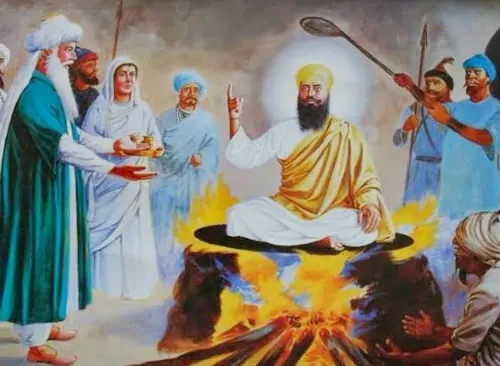
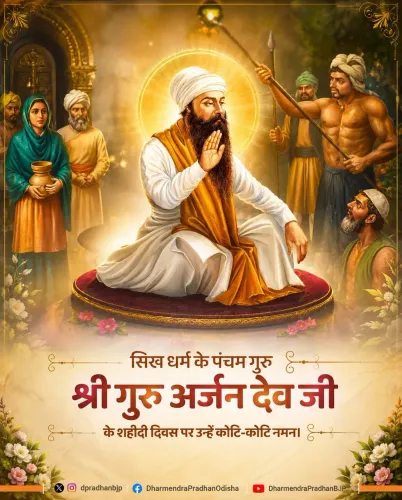
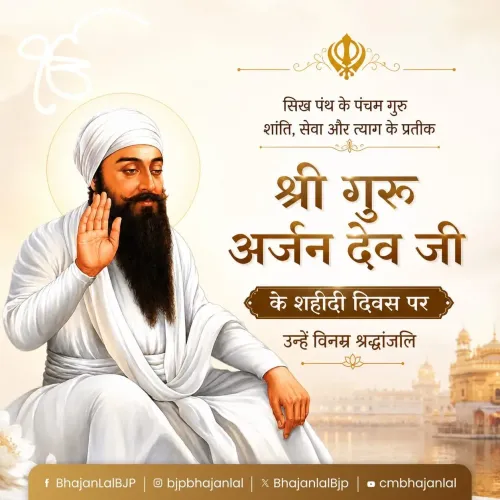
CM Dhami pays tribute on Guru Arjan Dev Ji's Martyrdom Day
Synopsis
Uttarakhand Chief Minister Pushkar Singh Dhami paid tribute on 18 June 2026 to Guru Arjan Dev Ji on his Shaheedi Diwas, honouring the fifth Sikh Guru's sacrifice, unshakeable faith and lifelong dedication to humanity and righteousness.
Key Takeaways
CM Pushkar Singh Dhami posted a tribute to Guru Arjan Dev Ji on 18 June 2026 marking his Shaheedi Diwas .
Guru Arjan Dev Ji was the fifth Guru of Sikhism , executed in 1606 in Lahore for refusing to alter the Adi Granth .
Dhami's tribute invoked values of truth, service, courage and righteousness as enduring inspiration from the Guru's legacy.
Uttarakhand has historical Sikh connections through Gurdwaras and migration from Punjab , giving the tribute local resonance.
Annual observances of Sikh Guru martyrdom days are a longstanding practice among Indian political leaders across parties.
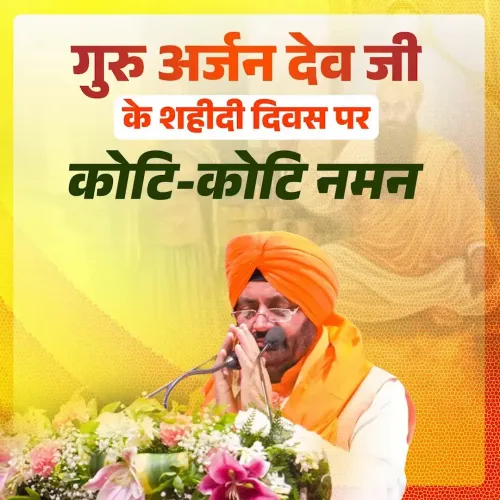
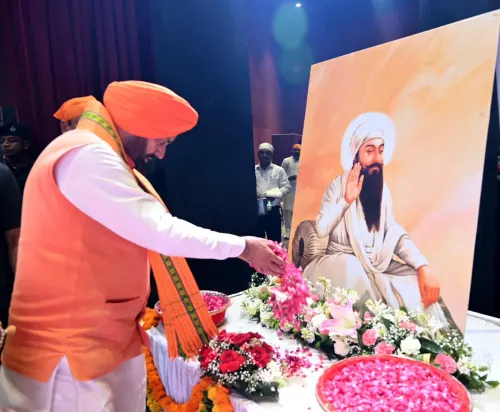
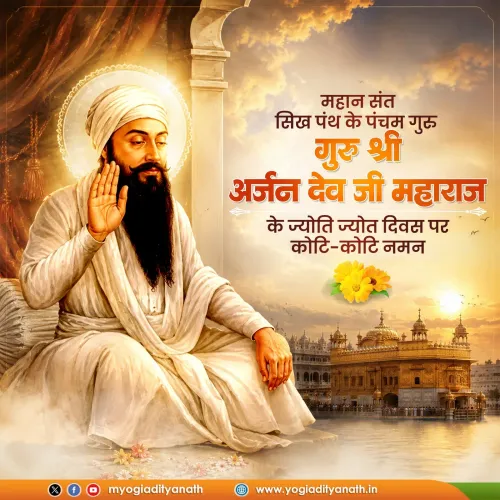
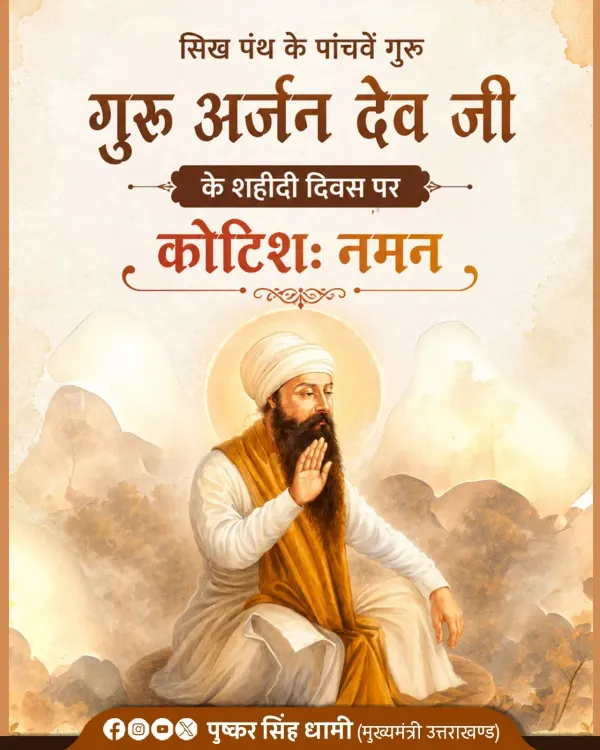
Uttarakhand Chief Minister Pushkar Singh Dhami on Thursday, 18 June 2026 paid tribute to Guru Arjan Dev Ji, the fifth Sikh Guru, on the occasion of his Shaheedi Diwas (Martyrdom Day), offering reverence to the Guru's legacy of humanity, sacrifice, service and the protection of faith.
In a post on X, CM Dhami wrote: 'Manavta, tyag, seva evam dharm ki raksha hetu apna sarvasy samarpit karne wale Guru Arjan Dev Ji ke Shaheedi Diwas par kotishaha naman' — 'Countless salutations on the Martyrdom Day of Guru Arjan Dev Ji, who dedicated everything for the protection of humanity, sacrifice, service and faith.' He further stated that the Guru's 'sacrifice, unshakeable faith and dedication to humanity will continue to inspire us to walk the path of truth, service, courage and righteousness.'
Context
Guru Arjan Dev Ji, the fifth Guru of Sikhism, was executed in 1606 in Lahore by Mughal authorities after he refused to alter the sacred Sikh scripture he had compiled — the Adi Granth. His martyrdom is regarded as the first of its kind in Sikh history and is observed annually as Shaheedi Diwas by the Sikh community across India and the world. The day holds deep religious and historical significance, representing the values of steadfast faith, resistance to oppression, and selfless service.
Policy Backdrop
Indian political leaders across parties have long observed Sikh Guru anniversaries with public tributes, acknowledging themes of sacrifice, pluralism and national unity. BJP leaders in northern states, including those with significant Sikh populations, regularly mark such commemorations as part of outreach to the Sikh community. Uttarakhand maintains historical Sikh connections through Gurdwaras and migration patterns linked to Punjab, making such observances culturally resonant within the state.
The annual observance of Guru Arjan Dev Ji's martyrdom has been a fixture in Indian public life since the early twentieth century, institutionalised by Sikh organisations and acknowledged by successive governments as an affirmation of religious pluralism.
Stakeholders and Impact
The tribute is directed primarily at the Sikh community, both within Uttarakhand and across India. Such statements from sitting Chief Ministers carry symbolic weight, reinforcing the state's acknowledgement of minority religious heritage and the contributions of Sikh Gurus to India's civilisational fabric. For the Sikh community, official recognition of Shaheedi Diwas by elected representatives affirms the Guru's place in the broader national conscience.
The message's emphasis on values — truth, service, courage and righteousness — is framed universally, addressing citizens beyond any single religious community.
What's Next
The Sikh calendar carries several additional commemorative dates through the year, including the martyrdom anniversary of Guru Tegh Bahadur Ji, the ninth Sikh Guru. State governments and political leaders are expected to continue marking these occasions with formal tributes. Observers will watch whether CM Dhami and the Uttarakhand government follow such tributes with substantive announcements on minority welfare schemes or Gurdwara infrastructure support in the state.
Point of View
Signalling cultural solidarity with the Sikh community. The framing — centred on universal values of truth, service and courage rather than sectarian identity — reflects a deliberate political idiom that seeks broad resonance beyond any single faith group. For a state like Uttarakhand, with its Sikh Gurdwara heritage and Punjab-linked diaspora, such statements carry both symbolic and electoral undertones. The tribute also fits a wider BJP outreach arc that has intensified engagement with Sikh historical memory at the national level.
NationPress
17 Sept 2026
Frequently Asked Questions
Who was Guru Arjan Dev Ji?
Guru Arjan Dev Ji was the fifth Guru of Sikhism, who compiled the Adi Granth and was executed in 1606 in Lahore by Mughal authorities for refusing to alter Sikh scriptures. He is revered as the first martyr in Sikh history.
When is Guru Arjan Dev Ji's Shaheedi Diwas observed?
Guru Arjan Dev Ji's Shaheedi Diwas (Martyrdom Day) is observed annually, with the 2026 commemoration falling around 18 June. The exact date varies each year as it is calculated according to the Sikh Nanakshahi calendar.
Why did CM Dhami pay tribute to Guru Arjan Dev Ji?
Uttarakhand Chief Minister Pushkar Singh Dhami posted a tribute on X on 18 June 2026 to mark Guru Arjan Dev Ji's Shaheedi Diwas, honouring the Guru's sacrifice, faith and service to humanity — a practice common among Indian political leaders on Sikh commemorative occasions.
What is the significance of Guru Arjan Dev Ji's martyrdom?
Guru Arjan Dev Ji's martyrdom in 1606 is regarded as a defining moment in Sikh history, representing steadfast resistance to religious persecution and unwavering commitment to faith. It established a tradition of sacrifice that shaped subsequent Sikh identity and history.
Does Uttarakhand have a significant Sikh community?
Uttarakhand has historical Sikh connections through Gurdwaras and migration patterns linked to Punjab. While Sikhs are not the largest religious minority in the state, their cultural and historical presence makes Sikh commemorations relevant to the state's political and social life.