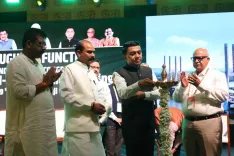
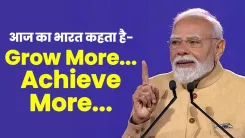
Shekhawat Cites Operation Sindoor as Modi Visits Australia
Synopsis
Union Culture and Tourism Minister Gajendra Singh Shekhawat invoked Operation Sindoor on 9 July 2026, declaring India's defence platforms are earning global credibility, as PM Modi held talks in Australia under the Comprehensive Strategic Partnership framework.
Key Takeaways
Union Minister Gajendra Singh Shekhawat posted on X on 9 July 2026 citing Operation Sindoor as proof of India's defence capability.
His post was tagged #PMModiInAustralia , linking the defence message directly to PM Modi's ongoing diplomatic visit .
Shekhawat stated that strikes during Operation Sindoor targeted terrorist hideouts and the 'echo was heard across the entire world.' India and Australia have been Comprehensive Strategic Partners since 2020 , with defence cooperation as a key pillar.
The messaging follows a pattern of using high-level bilateral visits to signal India's credible deterrence capability to global partners.
Observers are watching for defence MoUs or joint statements from PM Modi's Australia engagements.
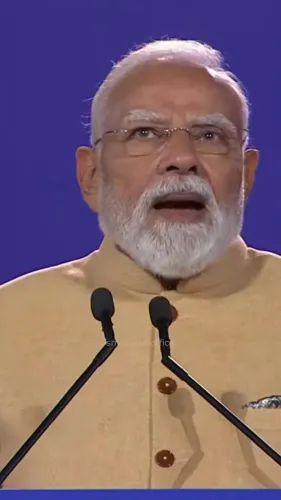
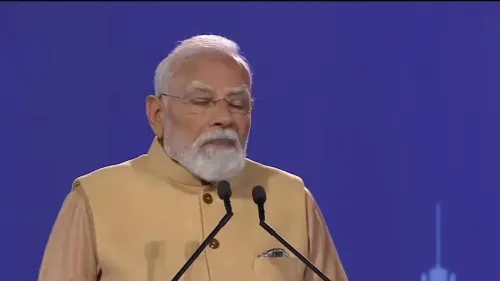
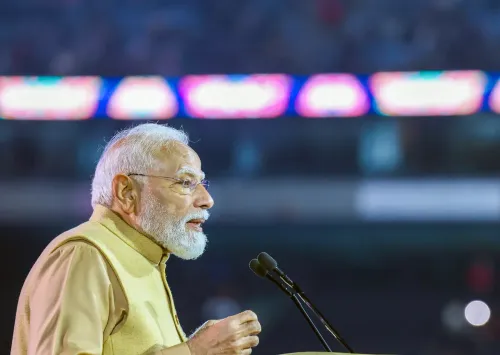
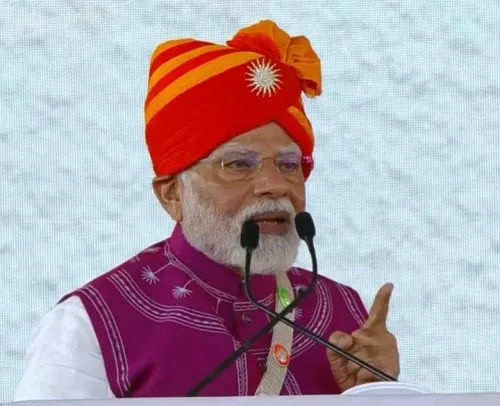
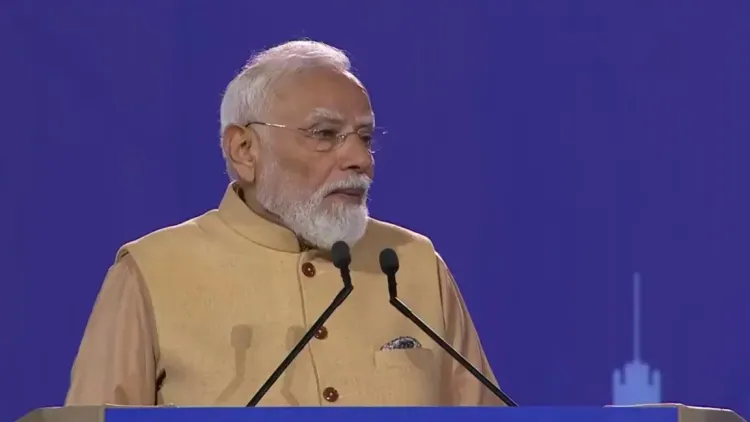
Union Culture and Tourism Minister Gajendra Singh Shekhawat on Thursday, 9 July 2026, invoked Operation Sindoor to underscore India's defence credibility, posting on X as Prime Minister Narendra Modi was engaged in high-level meetings in Australia.
In his post, Shekhawat wrote in Hindi: 'भारत के डिफेंस प्लेटफॉर्म की कैपेबिलिटी और क्रेडिबिलिटी दुनिया देख रही है' — 'The world is watching the capability and credibility of India's defence platforms.' He added that during Operation Sindoor, 'the blasts were at the terrorists' hideouts, but the echo was heard across the entire world.'
Context
Shekhawat's post was tagged #PMModiInAustralia, directly linking his defence messaging to PM Modi's ongoing visit to Australia. The timing signals a deliberate effort by senior BJP leaders to amplify India's strategic posture on the international stage during a high-profile diplomatic engagement. The minister's framing positions India's military actions as demonstrations of credible deterrence visible to the global community.
The reference to Operation Sindoor — described as strikes on terrorist hideouts — fits within a broader pattern of Indian political messaging that uses bilateral summits as backdrops to highlight national security achievements. Shekhawat, a Lok Sabha MP from Jodhpur, Rajasthan, is among the senior BJP voices amplifying the government's security narrative.
Policy Backdrop
India's willingness to conduct precision strikes against terrorist infrastructure has been a defining feature of its security doctrine in recent years. The 2016 surgical strikes across the Line of Control following the Uri attack, and the 2019 Balakot airstrikes targeting camps linked to the Jaish-e-Mohammed group, established a template of calibrated military response that Indian leaders have since cited as proof of operational capability.
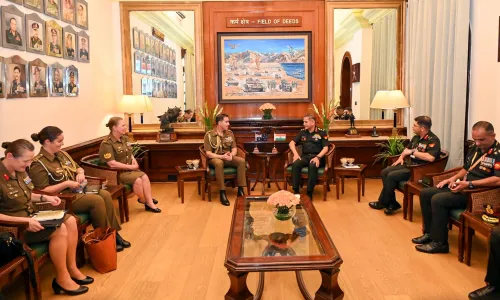
India and Australia elevated their relationship to a Comprehensive Strategic Partnership in 2020, expanding cooperation across defence exercises, maritime security, and the defence industry. PM Modi's current Australia visit builds on this foundation, with defence and Indo-Pacific security forming a central pillar of bilateral discussions.
Stakeholders and Impact
India's defence forces and indigenous defence industry stand at the centre of this messaging. The government has consistently sought to project domestic platforms as export-worthy and battle-tested, a goal that gains credibility when senior ministers publicly invoke recent operational examples before an international audience.
For Australia, a partner increasingly focused on Indo-Pacific security architecture, India's signalling of robust deterrence capability reinforces the strategic rationale for deeper bilateral defence ties. Observers in both countries will watch for any defence memoranda of understanding or joint statements that may emerge from the visit.
What's Next
Attention will now turn to the outcomes of PM Modi's engagements in Australia, including any formal agreements on defence cooperation, joint exercises, or technology-sharing frameworks. Shekhawat's post reflects a wider communications strategy by the ruling party to ensure that India's security narrative travels alongside its diplomatic outreach, reinforcing the message that the country's military credibility is now a core asset in its foreign policy toolkit.
Point of View
The BJP signals that India's deterrence posture is now a diplomatic asset, not merely a domestic talking point. The framing of military strikes as a 'demo' to the world reflects a deliberate effort to position India as a net security provider in the Indo-Pacific. This pattern — using bilateral summits as platforms for security signalling — is likely to intensify as India deepens strategic partnerships across the region.
NationPress
9 Jul 2026
Frequently Asked Questions
What is Operation Sindoor that Shekhawat mentioned?
Operation Sindoor is referenced by Union Minister Gajendra Singh Shekhawat as a military operation in which India struck terrorist hideouts, with Shekhawat saying its impact 'was heard across the entire world.' Official details of the operation are subject to government disclosure.
Why did Shekhawat post about defence during PM Modi's Australia visit?
Shekhawat tagged his post #PMModiInAustralia , suggesting a deliberate effort to link India's defence credibility narrative to PM Modi's high-level diplomatic engagements in Australia, where defence cooperation is a key agenda item.
What is the India-Australia Comprehensive Strategic Partnership?
India and Australia elevated their bilateral relationship to a Comprehensive Strategic Partnership in 2020, covering defence exercises, maritime security, and growing defence industry collaboration in the Indo-Pacific region.
What has India's track record been on precision strikes against terrorist camps?
India conducted surgical strikes across the Line of Control in 2016 after the Uri attack, and Balakot airstrikes in 2019 targeting camps linked to a designated terrorist group, establishing a doctrine of calibrated military response that leaders continue to cite publicly.
What defence outcomes are expected from PM Modi's Australia visit?
Observers are watching for defence memoranda of understanding, joint exercise announcements, or technology-sharing frameworks that may be formalised during PM Modi's current engagements in Australia.