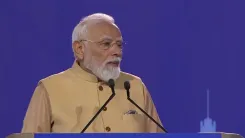
CM Sukhu: State Will Give Orphans Parental Love and Security
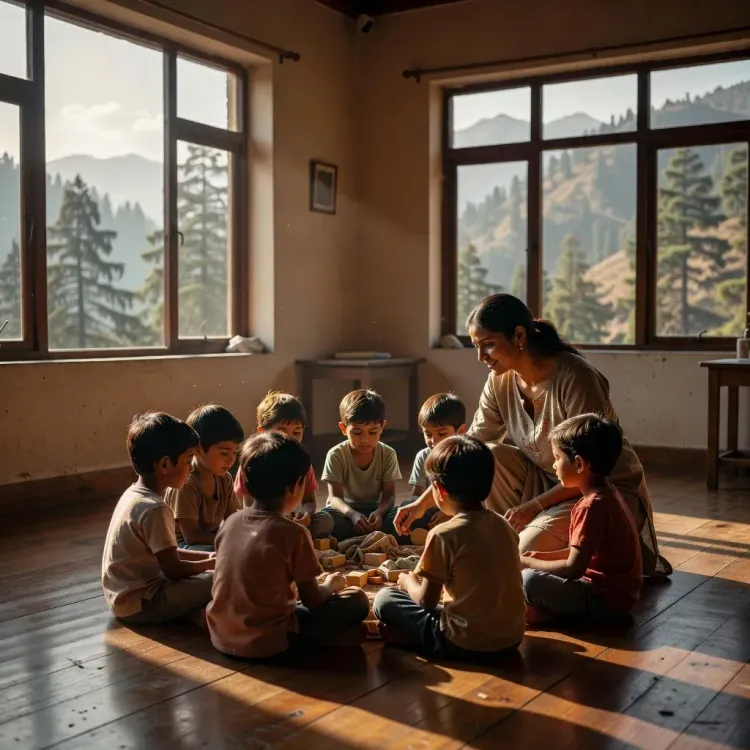
Synopsis
Chief Minister Sukhvinder Singh Sukhu of Himachal Pradesh on 9 July 2026 pledged that while the state cannot restore lost parents to orphaned children, it will provide them with parental love, belonging, and security — reaffirming the government's child-welfare commitment.
Key Takeaways
CM Thakur Sukhvinder Singh Sukhu on 9 July 2026 pledged parental love, belonging, and security for orphaned children in Himachal Pradesh .
The statement was shared by the official Chief Minister's Office of Himachal Pradesh on X.
Himachal Pradesh , with roughly 7 million residents, faces recurring floods, landslides, and accidents that leave children orphaned.
India's Juvenile Justice (Care and Protection of Children) Act, 2015 (amended 2021 ) provides the national legal framework for such child protection efforts.
The CM's language — emphasising emotional well-being alongside security — signals a welfare approach that goes beyond purely administrative care.
Policy watchers will monitor whether concrete scheme expansions or budget allocations follow this public commitment.
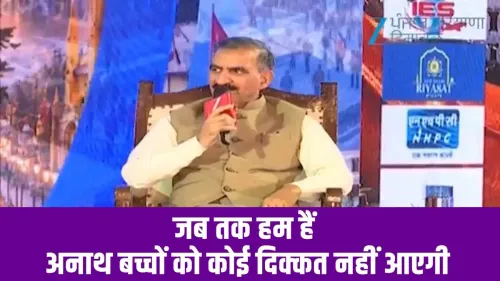
The Chief Minister's Office of Himachal Pradesh, on Thursday, 9 July 2026, shared a statement from Chief Minister Thakur Sukhvinder Singh Sukhu reaffirming the state government's commitment to the welfare of orphaned children — pledging to provide them with the affection, belonging, and security of a parent.
The statement, posted in Hindi, reads in translation: 'Hum unke mata-pita ko wapas to nahin la sakte, lekin unhe mata-pita jaisa sneh, apnapan aur suraksha zaroor de sakte hain.' ('We cannot bring back their parents, but we can certainly give them the love, sense of belonging, and security of a parent.') The message was attributed directly to Chief Minister Sukhu.
Context
Himachal Pradesh, a northern hill state with a population of roughly 7 million, is prone to floods, landslides, and road accidents — natural hazards that periodically leave children without parents. The CM's statement signals the government's intent to position the state as a surrogate guardian for such children, going beyond statutory obligations to offer emotional and social support.
While the specific trigger for this July 2026 statement has not been officially detailed, the sentiment aligns with the Congress government's broader social-welfare messaging since CM Sukhu assumed office in December 2022.
Policy Backdrop
India's framework for protecting orphaned and vulnerable children rests on the Juvenile Justice (Care and Protection of Children) Act, 2015, amended significantly in 2021, which mandates state-level mechanisms for care, rehabilitation, and reintegration of children in need of protection. States are required to maintain Child Welfare Committees, Specialised Adoption Agencies, and residential care facilities under this law.
Across India, state governments have periodically expanded financial sponsorship amounts, strengthened foster-care norms, and invested in new residential facilities — particularly following large-scale disasters. Himachal Pradesh has previously extended such support in the aftermath of recurring natural calamities that have orphaned children in remote districts.
Stakeholders and Impact
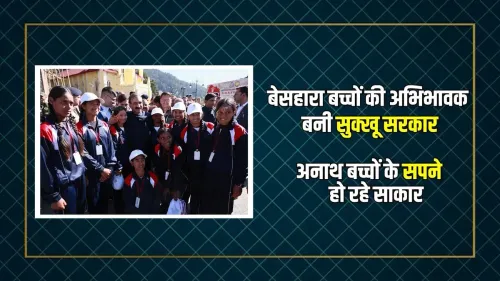
The primary beneficiaries of any expanded programme would be orphaned children across Himachal Pradesh's 12 districts, many in geographically difficult terrain where institutional reach is limited. Child welfare institutions, district child protection units, and foster families would be key implementing partners.
The CM's framing — emphasising sneh (love) and apnapan (sense of belonging) alongside suraksha (security) — signals a shift in tone from purely administrative care to one that also values emotional well-being, which advocates in the child-rights space have long called for.
What's Next
Observers will watch whether this statement is followed by concrete policy announcements — such as enhanced sponsorship amounts under state schemes, expanded foster-care guidelines, or new residential facilities — in upcoming cabinet meetings or the state budget. The Himachal Pradesh government's ability to translate this pledge into measurable outcomes will be the true test of its commitment to the state's most vulnerable children.
Point of View
Not just security, echoes a national trend where state leaders frame welfare as a moral duty, particularly ahead of budget cycles when scheme expansions are announced. For a hill state chronically battered by natural disasters, the political salience of orphan welfare is real and recurring. Whether this translates into a funded policy push or remains rhetorical will define its legacy.
NationPress
9 Jul 2026
Frequently Asked Questions
What did CM Sukhu say about orphaned children in Himachal Pradesh?
CM Sukhvinder Singh Sukhu stated that while the state cannot bring back the lost parents of orphaned children, it will provide them with parental love, a sense of belonging, and security.
What schemes does Himachal Pradesh have for orphaned children?
Himachal Pradesh implements child welfare measures under the national Juvenile Justice (Care and Protection of Children) Act, 2015, including Child Welfare Committees, sponsorship programmes, and residential care facilities. Specific state-level scheme details are subject to cabinet decisions.
Why are there many orphaned children in Himachal Pradesh?
Himachal Pradesh is a hill state prone to floods, landslides, and road accidents, which periodically leave children without parents, making orphan welfare a recurring policy concern.
Who is CM Sukhvinder Singh Sukhu?
Thakur Sukhvinder Singh Sukhu is the Chief Minister of Himachal Pradesh, leading a Congress government since December 2022, with a stated focus on social welfare and infrastructure.
What is the Juvenile Justice Act and how does it protect orphans in India?
The Juvenile Justice (Care and Protection of Children) Act, 2015, amended in 2021, is India's primary law mandating state-level care, rehabilitation, and reintegration for children in need of protection, including orphans.