PLI schemes boost India's pharma, medtech sector; ₹46,744 crore invested

Synopsis
India's three pharma and medtech PLI schemes have collectively blown past their investment targets — the pharmaceuticals scheme alone drew ₹46,744 crore against a ₹17,275 crore target. From Penicillin-G to MRI machines, the schemes are reshaping what India makes domestically, and who makes it — with GE Healthcare, Siemens, and Philips now manufacturing on Indian soil.
Key Takeaways
The PLI Scheme for Bulk Drugs (approved 2020 , outlay ₹6,940 crore ) has attracted ₹5,210.74 crore in actual investment as of June 2026 , commissioning 39 projects for 28 APIs .
The PLI Scheme for Pharmaceuticals (approved 2021 , outlay ₹15,000 crore ) has drawn ₹46,744 crore in actual investment — nearly 2.7 times the ₹17,275 crore target.
55 applicants , including 20 MSMEs , are participating in the pharmaceuticals scheme; major names include Sun Pharma , Dr.
Reddy's , Cipla , and Lupin .
The Medical Devices PLI (approved 2020 , outlay ₹3,420 crore ) has enabled domestic production of 57 unique devices , including MRI machines, CT scanners, and heart valves.
Global majors GE Healthcare , Siemens , Philips , Varex , Nipro , and Omron have established or expanded manufacturing in India under the medtech scheme.
India's Production-Linked Incentive (PLI) schemes for pharmaceuticals, bulk drugs, and medical devices have significantly strengthened the country's manufacturing ecosystem, reducing import dependence and accelerating technology adoption, according to a government factsheet released on Friday, 25 September 2026. The three schemes together have attracted investments well in excess of their original targets, positioning India as a globally competitive hub in the pharma and medtech sector.
Bulk Drugs PLI: Exceeding Investment Targets
The PLI Scheme for Bulk Drugs, approved in 2020 with a total financial outlay of ₹6,940 crore, was designed to strengthen domestic manufacturing of 41 critical products and curtail India's reliance on imported Active Pharmaceutical Ingredients (APIs). As of June 2026, actual investment under the scheme stands at ₹5,210.74 crore, surpassing the committed target of ₹4,330 crore.
A total of 39 projects covering 28 APIs have been commissioned under the scheme. Notably, the initiative has enabled domestic production of critical fermentation-based products — including Penicillin-G, Clavulanic Acid, and Rifampicin — that were previously sourced predominantly from overseas, according to the factsheet.
Pharmaceuticals PLI: ₹46,744 Crore in Actual Investment
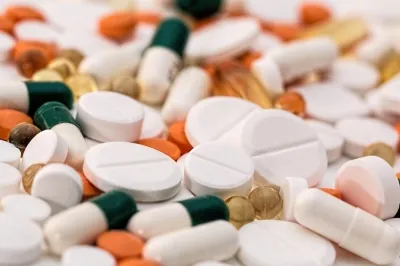
The PLI Scheme for Pharmaceuticals, approved in 2021 with a financial outlay of ₹15,000 crore, targets high-value product categories including biopharmaceuticals, complex generics, patented and off-patent drugs, orphan drugs, and auto-immune medicines. The scheme also covers specified APIs and key source materials not addressed by the Bulk Drugs scheme.
As of June 2026, the scheme has attracted ₹46,744 crore in actual investment — substantially exceeding the targeted investment of ₹17,275 crore. A total of 55 applicants, including 20 MSMEs, have been selected. Major beneficiaries include Sun Pharmaceutical Industries Limited, Aurobindo Pharma Limited, Dr. Reddy's Laboratories Limited, Lupin Limited, Cipla Limited, Intas Pharmaceuticals Limited, and Torrent Pharmaceuticals Limited, all of which have expanded capacities for complex generics, biosimilars, and auto-immune medicines.
Medical Devices PLI: Global Giants Enter Indian Manufacturing
The PLI Scheme for Promoting Domestic Manufacturing of Medical Devices, approved in 2020 with an outlay of ₹3,420 crore, provides a 5% incentive on incremental sales of eligible devices manufactured in India over a period of five years. The scheme targets high-end equipment that was earlier predominantly imported.
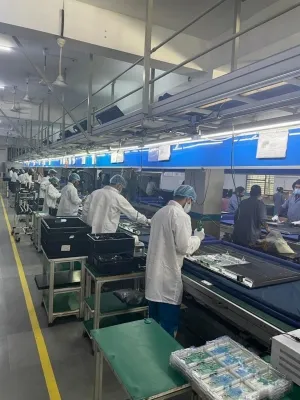
Production of 57 unique medical devices has commenced under the scheme, spanning MRI machines, CT scanners, Cath Labs, Linear Accelerators, C-Arms, mammography machines, ultrasound systems, anaesthesia machines, and heart valves. Global manufacturers including GE Healthcare, Siemens, Philips, Varex, Nipro, and Omron have established or expanded manufacturing operations in India, with several entering into technology-transfer arrangements with domestic partners, according to the factsheet.
Broader Impact and What Comes Next
Taken together, the three PLI schemes represent a layered strategy — from securing critical raw materials and APIs at the base to scaling high-value medicines and advanced medical technologies at the top. This comes amid a broader global push to diversify pharmaceutical supply chains away from concentrated geographies, a process accelerated by the disruptions of recent years.
With investment levels across all three schemes consistently outpacing targets, the government's next challenge will be ensuring that production volumes and export competitiveness keep pace with the capital committed. Industry watchers will look to upcoming production and sales data to assess whether financial investment has translated into sustainable manufacturing output.
Point of View
744 crore against a ₹17,275 crore pharmaceuticals target is not a rounding error, it is a structural signal that the industry sees real returns. But investment figures are the easier half of the story; the harder question is whether domestic production of APIs and medical devices has durably displaced imports or merely supplemented them. India's pharmaceutical sector has historically been export-strong but API-import-dependent, and breaking that structural asymmetry requires sustained production, not just committed capital. The real scorecard — production volumes, import substitution rates, and export data for PLI-covered products — has not yet been presented alongside these investment figures, and that gap is where scrutiny should focus.
NationPress
25 Sept 2026
Frequently Asked Questions
What are India's PLI schemes for pharma and medical devices?
They are three government-backed Production-Linked Incentive programmes — for Bulk Drugs (approved 2020, ₹6,940 crore outlay), Pharmaceuticals (approved 2021, ₹15,000 crore outlay), and Medical Devices (approved 2020, ₹3,420 crore outlay) — designed to boost domestic manufacturing, cut import dependence, and attract investment in India's pharma and medtech sectors.
How much has been invested under the PLI Scheme for Pharmaceuticals?
As of June 2026, the PLI Scheme for Pharmaceuticals has attracted ₹46,744 crore in actual investment, nearly 2.7 times the targeted ₹17,275 crore. The scheme has 55 selected applicants, including 20 MSMEs, and covers biopharmaceuticals, complex generics, orphan drugs, and auto-immune medicines.
Which medical devices are now being manufactured in India under the PLI scheme?
Production of 57 unique medical devices has commenced, including MRI machines, CT scanners, Cath Labs, Linear Accelerators, C-Arms, mammography machines, ultrasound systems, anaesthesia machines, and heart valves — all of which were previously predominantly imported.
Which global companies have set up manufacturing in India under the medtech PLI?
GE Healthcare, Siemens, Philips, Varex, Nipro, and Omron have established or expanded manufacturing operations in India under the Medical Devices PLI scheme. Several of these companies have also entered into technology-transfer arrangements with domestic partners.
What critical bulk drugs are now produced domestically because of the PLI scheme?
The Bulk Drugs PLI has enabled domestic production of fermentation-based critical ingredients including Penicillin-G, Clavulanic Acid, and Rifampicin, which were earlier largely dependent on imports. A total of 39 projects covering 28 APIs have been commissioned under the scheme as of June 2026.