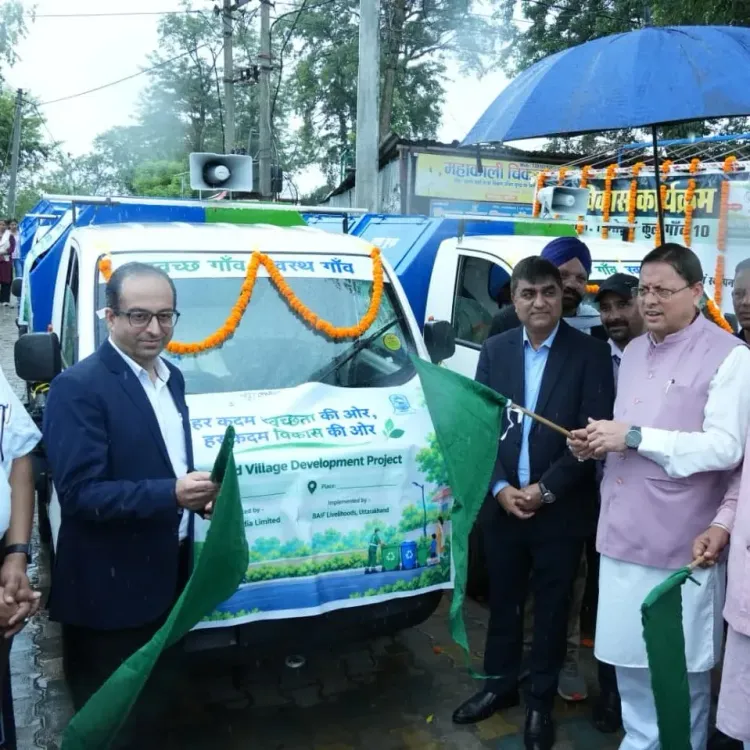
CM Dhami flags off 15 waste vehicles in Khatima
Synopsis
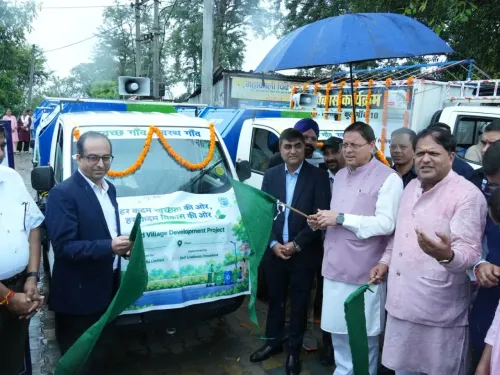
Uttarakhand CM Pushkar Singh Dhami flagged off 15 waste-management vehicles in Khatima on 25 September, strengthening solid and liquid waste collection and disposal in the Udham Singh Nagar town under the state's Swachh Bharat-aligned sanitation drive.
Key Takeaways
15 waste-management vehicles were flagged off by CM Dhami in Khatima, Udham Singh Nagar district on 25 September 2026 .
The fleet targets both solid and liquid waste collection and scientific disposal across urban and rural areas.
The initiative aligns with the Swachh Bharat Mission , the national sanitation scheme launched in 2014 .
CM Dhami framed the move as advancing environmental protection alongside cleanliness goals in Uttarakhand's ecologically fragile hill terrain.
Local leaders including District Panchayat President Ajay Maurya , Mayor Vikas Sharma , and Block Head Reena Gautam were present at the launch.
Fifteen waste-management vehicles rolled out of Khatima on Friday, 25 September 2026, flagged off by Uttarakhand Chief Minister Pushkar Singh Dhami to reinforce the town's solid and liquid waste collection and disposal network — a visible push in the state's ongoing war on municipal waste.
What the 15-vehicle fleet is meant to do
Dhami described the deployment as a step toward making waste handling 'modern and effective' across both rural and urban pockets of the state. The vehicles are designed to close the gap between two ends of the waste chain — door-step collection and scientific final disposal — a gap that has long plagued hill towns where terrain makes logistics expensive and complicated.
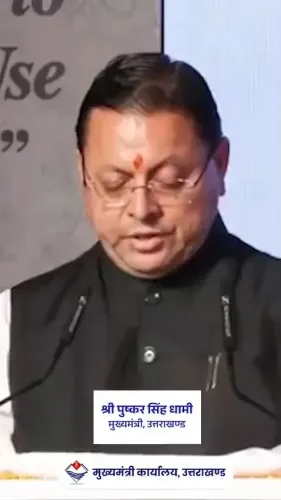
In his post, the Chief Minister said: 'Kacchre ke sangrah se lekar uske uchit nistarann tak ki poori vyavastha ko durust kiya jae' — 'the entire system from waste collection to its proper disposal must be set right' — framing it explicitly as both a cleanliness and an environmental protection goal.
Khatima, Swachh Bharat, and Uttarakhand's hill-state stakes
Khatima, a town in Udham Singh Nagar district, sits at the foothills of Uttarakhand — a gateway zone where inadequate waste systems can damage both local ecology and the state's tourism-dependent economy. The Swachh Bharat Mission, launched nationally in 2014, has been the policy backbone for exactly this kind of infrastructure push, channelling central funds to states for fleet expansion and processing facilities.
Uttarakhand, like other Himalayan states, has prioritised waste collection upgrades because uncollected garbage in fragile mountain ecosystems carries outsized environmental risk — contaminating water sources and degrading the landscapes that draw visitors. This fleet addition fits squarely into that pattern of state-centre coordination on sanitation infrastructure that has continued well beyond the mission's original targets.
District Panchayat, Mayor, and Block head at the launch
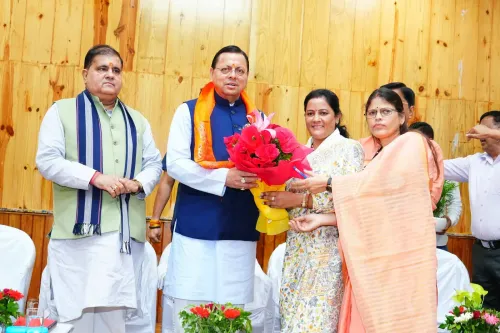
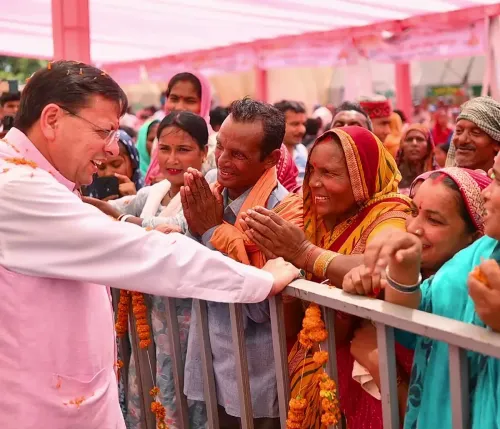
The flagging-off ceremony drew a cross-section of local governance: District Panchayat President Ajay Maurya, Mayor Vikas Sharma, and Block Head Reena Gautam were all present alongside other elected representatives, signalling that the initiative carries buy-in from both urban and rural local bodies — the very institutions responsible for running the vehicles on the ground.
Their joint presence also underscores what CM Dhami called the state government's 'resolve for a clean and healthy Uttarakhand' (swachh aur swasth Uttarakhand ka sankalp) — a slogan that now has 15 new vehicles to back it up.
The real test begins now: whether Khatima's expanded fleet translates into measurable improvements in collection frequency and disposal standards — and whether similar deployments follow in other Uttarakhand districts still waiting for their turn.
Point of View
Photographable, and politically attributable to the sitting CM. For Dhami, who faces the perennial challenge of governing a state where geographic fragmentation inflates service-delivery costs, fleet expansions serve a dual purpose: they deliver real infrastructure while reinforcing the 'double-engine sarkar' narrative of state-centre alignment. The presence of local body heads from both urban (Mayor) and rural (Block Pradhan) tiers signals an attempt to embed accountability across governance layers. Whether the vehicles translate into sustained improvement in collection frequency and final disposal — or remain a launch-day photo — will determine whether this becomes a replicable model for other Uttarakhand districts.
NationPress
25 Sept 2026
Frequently Asked Questions
Why did CM Dhami flag off vehicles in Khatima?
CM Pushkar Singh Dhami flagged off 15 solid and liquid waste management vehicles in Khatima to strengthen the town's waste collection and disposal infrastructure as part of Uttarakhand's sanitation drive aligned with the Swachh Bharat Mission.
What is the Swachh Bharat Mission and how does it relate to this initiative?
The Swachh Bharat Mission is a national cleanliness programme launched in 2014 that funds waste management infrastructure across Indian states. Uttarakhand's vehicle deployment in Khatima is part of the state-level implementation of this ongoing scheme.
Where is Khatima located in Uttarakhand?
Khatima is a town in Udham Singh Nagar district, located in the Terai foothills region of Uttarakhand.
Who were the local officials present at the Khatima waste vehicle flagging-off event?
District Panchayat President Ajay Maurya, Mayor Vikas Sharma, and Block Head Reena Gautam were among the local representatives present at the event alongside CM Dhami.
How many waste vehicles were flagged off in Khatima by CM Dhami?
CM Dhami flagged off 15 vehicles dedicated to solid and liquid waste collection and disposal in Khatima on 25 September 2026.