CM Dhami Calls for Cleanliness Pledge, Cites Divine Value
Synopsis
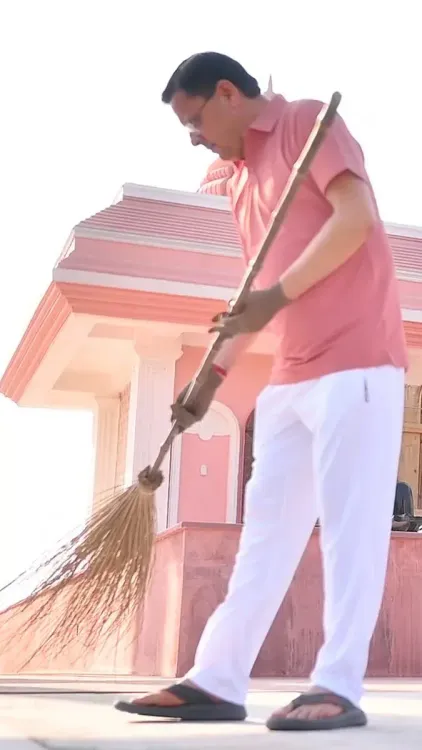
Uttarakhand Chief Minister Pushkar Singh Dhami on June 17, 2026, called on citizens to pledge cleanliness at home, neighbourhoods, and public spaces, invoking a cultural idiom linking hygiene to the divine — reinforcing India's decade-long Swachh Bharat framework at the state level.
Key Takeaways
CM Pushkar Singh Dhami posted a cleanliness appeal on June 17, 2026 , urging citizens to keep homes, surroundings, and public spaces clean.
He invoked the Hindi saying 'जहां स्वच्छता है, वहीं ईश्वर का वास है' — 'Where there is cleanliness, there resides God' — to frame hygiene as a spiritual value.
The appeal aligns with the national Swachh Bharat Mission , launched in October 2014 , which promotes sanitation and behavioural change across India .
Uttarakhand has particular stakes in public cleanliness given its major pilgrimage sites at Haridwar and Rishikesh , which draw millions of visitors annually.
Performance in future Swachh Survekshan rankings will indicate whether the public appeal translates into measurable civic outcomes.
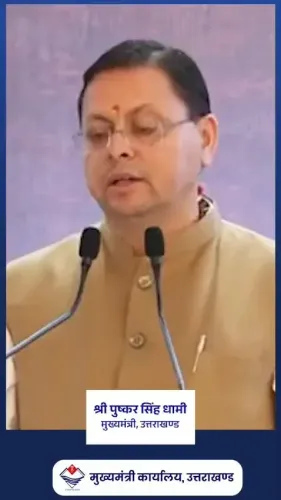
Uttarakhand Chief Minister Pushkar Singh Dhami on Wednesday, June 17, 2026, issued a public appeal urging citizens to commit to keeping their homes, surroundings, and public spaces clean, framing cleanliness as a moral and spiritual duty.
Context
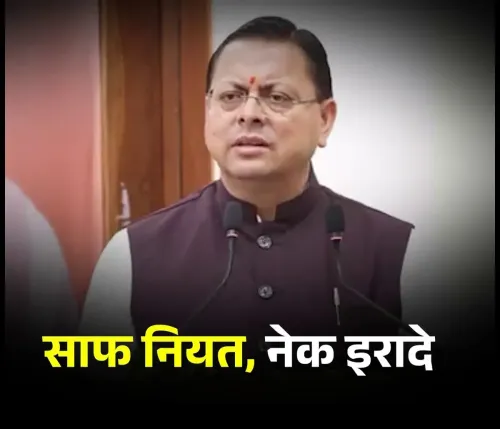
Posting in Hindi on X, CM Dhami wrote: 'जहां स्वच्छता है, वहीं ईश्वर का वास है' ['Where there is cleanliness, there resides God']. He called on all citizens to take a pledge to maintain cleanliness at home, in their neighbourhoods, and at public places, and to participate in building a 'clean and beautiful society.'
The appeal is rooted in a long-standing cultural idiom in India that equates hygiene with piety — an association that has been central to the messaging of cleanliness campaigns at both the national and state level for over a decade.
Policy Backdrop
The post aligns closely with the Swachh Bharat Mission, the national sanitation and hygiene programme launched in October 2014 to promote open defecation-free communities, improve waste management, and drive behavioural change around cleanliness across India.
Uttarakhand has been an active participant in the mission's urban and rural components, and has linked cleanliness drives to its substantial pilgrimage economy. Key sites such as Haridwar and Rishikesh attract millions of devotees annually, making sanitation and public hygiene a matter of both civic administration and religious sentiment.
State governments have periodically reinforced the Swachh Bharat framework through local campaigns, participation in the annual Swachh Survekshan rankings, and targeted drives at pilgrimage sites and tourist destinations.
Stakeholders and Impact
The primary audience for CM Dhami's message is the general public — residents of Uttarakhand and, given the reach of social media, citizens across India. Urban local bodies and municipal authorities responsible for waste management and public sanitation are also implicitly addressed, as ground-level implementation depends on their capacity and coordination.
For Uttarakhand specifically, cleanliness at pilgrimage sites carries economic weight. A poor sanitation environment at religious tourism hubs can deter visitors, while a clean and well-maintained destination strengthens the state's appeal as a spiritual and eco-tourism centre.
What's Next
Observers will watch whether this public appeal is followed by concrete state-level action — such as targeted cleanliness drives, fresh guidelines for urban local bodies, or announcements tied to the next round of Swachh Survekshan rankings. The Uttarakhand government's performance in upcoming national cleanliness surveys will be a key measure of how effectively this messaging translates into on-ground outcomes.
As India's cleanliness mission enters its second decade, state-level reinforcement from leaders like CM Dhami will remain critical to sustaining public participation and closing the gap between policy intent and lived civic reality.
Point of View
Blending civic responsibility with religious sentiment to sustain public buy-in. For Uttarakhand, the stakes are higher than average: the state's pilgrimage economy at sites like Haridwar and Rishikesh means that sanitation is not merely a governance metric but a direct driver of tourism revenue and religious credibility. The appeal, while ceremonial in tone, also serves a political function — positioning the chief minister as aligned with a flagship central government programme ahead of potential cleanliness surveys or state-level reviews. Whether it catalyses administrative action or remains a social media moment will determine its real policy weight.
NationPress
18 Sept 2026
Frequently Asked Questions
What did Uttarakhand CM Pushkar Singh Dhami say about cleanliness?
CM Dhami urged all citizens to pledge to keep their homes, neighbourhoods, and public spaces clean, stating that 'where there is cleanliness, there resides God.' He called on people to participate in building a clean and beautiful society.
What is the Swachh Bharat Mission and how does it relate to this appeal?
The Swachh Bharat Mission is a national sanitation programme launched in October 2014 to make India open defecation-free and improve waste management. CM Dhami's appeal reinforces this mission's core messaging at the state level in Uttarakhand.
Why is cleanliness especially important in Uttarakhand?
Uttarakhand hosts major pilgrimage sites such as Haridwar and Rishikesh that attract millions of visitors annually. Maintaining clean public spaces at these sites is critical for both religious tourism and the state's broader economic interests.
What is Swachh Survekshan and why does it matter for Uttarakhand?
Swachh Survekshan is an annual national cleanliness survey that ranks cities and states on sanitation and hygiene parameters. Uttarakhand's performance in these rankings reflects how well state-level cleanliness drives are translating into on-ground outcomes.
Is CM Dhami's cleanliness post linked to a specific new scheme or event?
No specific new scheme or event has been announced alongside this post. The appeal is a public awareness message consistent with the ongoing Swachh Bharat Mission framework and the state's regular cleanliness promotion efforts.