Yadav Launches 6th Tiger Reserve MEE Cycle Workshop
Synopsis
Union Environment Minister Bhupender Yadav launched the inception workshop for the 6th cycle of Management Effectiveness Evaluation of Tiger Reserves in New Delhi on September 25, 2026, stressing science-led yet community-sensitive conservation governance across India's Tiger Reserve network.
Key Takeaways
Union Environment Minister Bhupender Yadav launched the 6th cycle MEE inception workshop in New Delhi on September 25, 2026 .
The evaluation will cover all Tiger Reserves in India, making it the most comprehensive MEE cycle to date.
Minister Yadav called for continuous integration of evolving scientific processes and technologies into wildlife conservation and evaluation.
He stressed that science-based approaches must be 'guided by compassion, values and vision' to ensure harmonious engagement with local communities .
The MEE framework is adapted from IUCN standards and operates under the National Tiger Conservation Authority (NTCA) , constituted in 2005.
The 6th cycle report will inform revisions to reserve management plans and future funding allocations for Tiger Reserves.
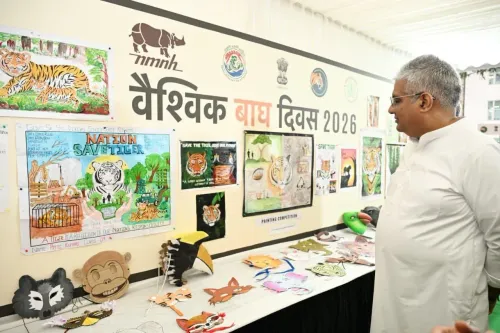
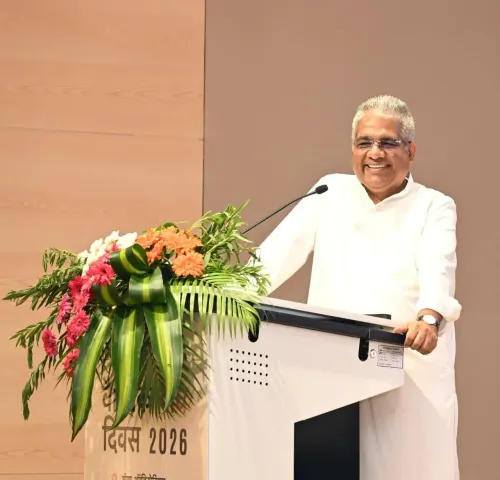
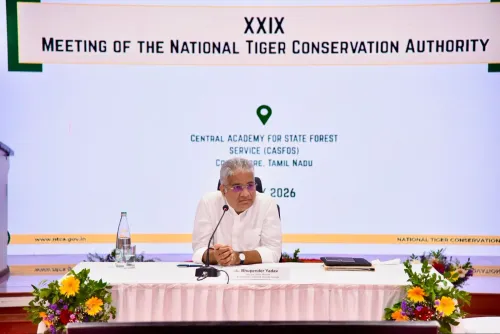
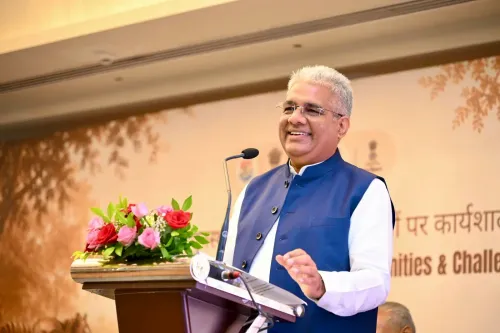
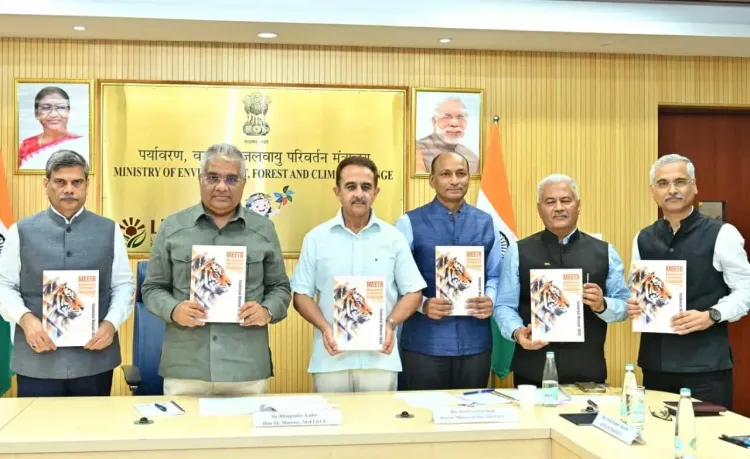
India's tiger conservation programme is entering a new phase of scrutiny. Union Environment Minister Bhupender Yadav on Friday, September 25 launched the inception workshop for the 6th cycle of the Management Effectiveness Evaluation (MEE) of Tiger Reserves in New Delhi, a process that will cover the country's entire network of Tiger Reserves — underscoring the government's commitment to rigorous, evidence-based wildlife governance.
What the 6th MEE Cycle Sets Out to Do
The Management Effectiveness Evaluation is India's primary tool for stress-testing how well each Tiger Reserve is actually managed — not just whether tigers are present, but whether the systems, staffing, funding, and community relationships are robust enough to sustain them. Built on an IUCN-adapted framework, successive MEE cycles have served as periodic health-checks on India's protected-area machinery since Project Tiger was launched in 1973.
At the inception workshop, Minister Yadav emphasised two pillars: first, the need to 'continuously integrate evolving scientific processes and technologies into wildlife conservation and evaluation'; and second, that science-based approaches 'must be guided by compassion, values and vision to ensure harmonious engagement between forest departments and local communities.' Technology without empathy, in other words, is not enough.
Science, Technology — and the Human Factor
India has increasingly leaned on tools such as camera-trap monitoring, satellite-based spatial analysis, and drone surveillance to track tiger populations and habitat health. The broader pattern across successive MEE cycles has been one of expanding both the technical toolkit and community participation in buffer zones — the inhabited fringes of reserves where human-wildlife tensions are sharpest.
Yadav's stress on 'compassion and values' signals that the 6th cycle will not treat forest departments as the sole actors. Local communities living alongside reserves — farmers, pastoral communities, indigenous groups — remain central to whether conservation outcomes hold over the long term.
Minister of State K.V. Singh joined Yadav at the launch, reflecting the political weight the government is placing on the evaluation round.
The Institutional Architecture Behind the Numbers
Tiger Reserve governance in India runs through the National Tiger Conservation Authority (NTCA), constituted in 2005 to provide stronger legal and administrative oversight. The NTCA coordinates MEE cycles, commissions assessments, and translates findings into management plan revisions and funding decisions. The 6th cycle's eventual report will feed directly into those decisions — making the inception workshop not just ceremonial, but the starting gun on a process with real consequences for reserve budgets and policy priorities.
The next milestone to watch: the publication of the 6th cycle MEE report and any subsequent revisions to reserve management plans or central funding allocations that follow.
Point of View
Yadav is signalling that the BJP government sees conservation credibility as tied to social licence, not just census numbers. The emphasis on technology integration also reflects a broader government push to modernise environmental governance through data and spatial tools. The real policy test comes when the cycle's findings land — and whether low-scoring reserves face meaningful funding consequences or are quietly protected from scrutiny.
NationPress
25 Sept 2026
Frequently Asked Questions
What is the Management Effectiveness Evaluation of Tiger Reserves?
The Management Effectiveness Evaluation (MEE) is an IUCN-adapted assessment framework India uses to periodically review how well each Tiger Reserve is managed — covering governance, staffing, funding, community relationships, and conservation outcomes. It is coordinated by the National Tiger Conservation Authority.
How many tiger reserves does India have?
The government's inception workshop for the 6th MEE cycle was described as covering all Tiger Reserves in India. The exact current count cited in the post is part of the scope of the new evaluation cycle.
What is Project Tiger and when was it launched?
Project Tiger is India's central government scheme to protect tigers and their habitats across designated reserves. It was launched in 1973 and remains the foundational framework for tiger conservation policy in the country.
What is the role of the NTCA in tiger conservation?
The National Tiger Conservation Authority (NTCA) was constituted in 2005 to provide legal and administrative oversight of Tiger Reserves. It coordinates MEE cycles, commissions assessments, and uses findings to revise management plans and guide funding decisions.
Why does Management Effectiveness Evaluation matter for local communities?
MEE assessments evaluate community engagement as a core management dimension. Minister Yadav specifically stressed that science-based conservation must be 'guided by compassion, values and vision' to ensure harmonious engagement between forest departments and the local communities living alongside Tiger Reserves.