CM Dhami urges pilgrims: leave no plastic in Uttarakhand
Synopsis
Chief Minister Pushkar Singh Dhami has appealed to pilgrims and tourists to refrain from leaving plastic or other waste in Uttarakhand, citing the need to protect the state's natural beauty amid heavy pilgrim and tourist footfall.
Key Takeaways
CM Pushkar Singh Dhami issued a public appeal on 1 August 2026 urging tourists and pilgrims not to leave plastic or other waste in Uttarakhand.
The appeal is framed as a personal, humble request rather than a regulatory order or ban.
Uttarakhand's economy depends heavily on pilgrimage tourism, including the Char Dham Yatra , which draws hundreds of thousands of visitors each season.
Plastic and disposable waste accumulation is a documented problem at high-altitude pilgrimage and trekking sites across the Himalayas.
The statement aligns with India's broader Swachh Bharat Mission and single-use plastic reduction efforts under central and state rules.
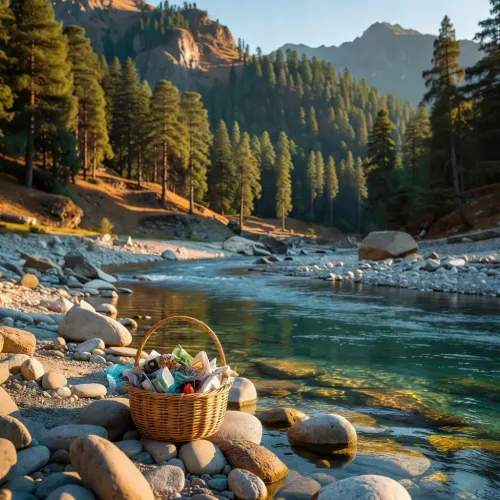
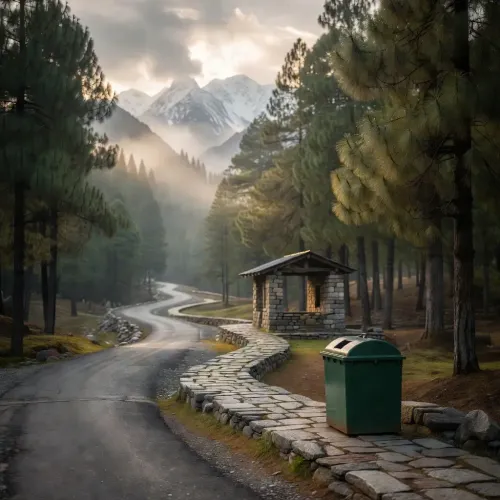
The mountains of Uttarakhand draw millions every year — for the divine, the dramatic, and the serene. But what they leave behind is increasingly a crisis. Chief Minister Pushkar Singh Dhami has issued a direct public appeal to every pilgrim and tourist visiting Uttarakhand, asking them to enjoy the state's natural beauty but carry their waste back with them.
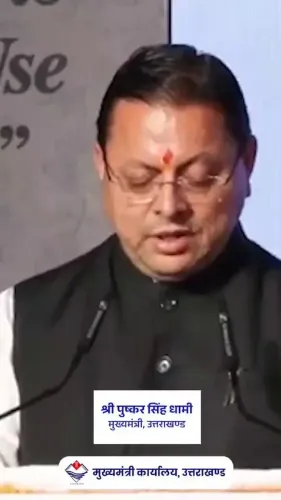
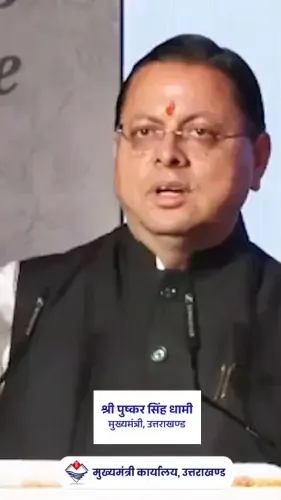
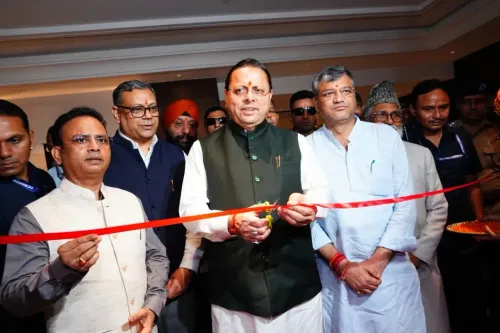
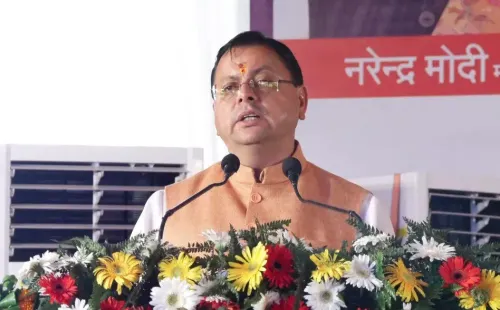
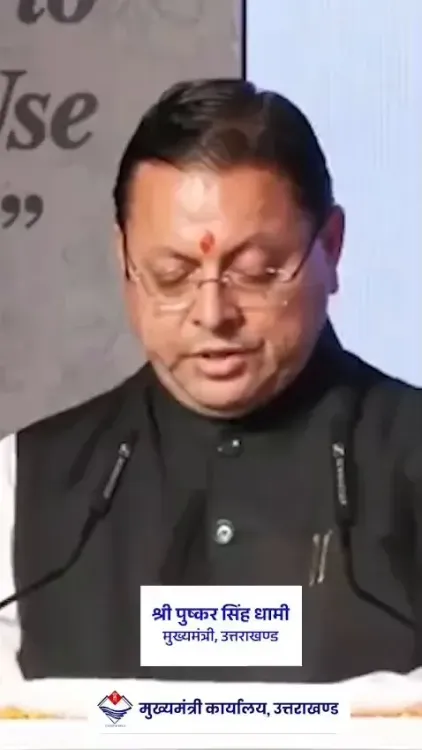
Speaking through the Chief Minister's Office on 1 August 2026, Dhami said: 'I humbly request pilgrims and tourists coming to Uttarakhand — enjoy the natural beauty here, but do not leave plastic or any other kind of waste behind when you go.' The message was direct, personal, and pointedly unambiguous.
Why Himalayan waste is a growing emergency
Uttarakhand's economy is inseparable from its spiritual and scenic draw. The Char Dham Yatra — covering Yamunotri, Gangotri, Kedarnath, and Badrinath — pulls in hundreds of thousands of devotees each season, and leisure tourism to hill stations such as Mussoorie and Nainital adds millions more. That footfall, concentrated across fragile high-altitude ecosystems, generates waste at a scale the terrain struggles to absorb. Plastic bottles, wrappers, and disposable packaging accumulate along trekking routes, riverbanks, and temple precincts — visible to every visitor yet persistent long after they leave. State governments across the Himalayas have periodically sounded this alarm. The concern sits squarely within India's broader push to curb single-use plastics, a drive that gained regulatory teeth under both central and state-level rules in recent years. Swachh Bharat Mission, launched nationally in 2014, embedded cleanliness as a governance priority at pilgrimage and tourist sites — and Uttarakhand has been a focal point of that effort given its outsized visitor numbers relative to its carrying capacity.A personal appeal, not a policy order
What makes Dhami's statement notable is its register. This is not a notification, a ban, or a fine schedule — it is a vinम्र निवेदन (humble request), addressed directly to visitors as a moral appeal. The Chief Minister is betting on civic conscience at a moment when enforcement at remote, high-altitude sites remains logistically difficult. The ask is simple: if you brought it in, take it out. The appeal arrives ahead of pilgrimage and tourism seasons when visitor pressure on the state's ecology peaks. Whether it is backed by expanded waste-collection infrastructure or stricter on-ground enforcement is the question that will determine whether the message moves beyond sentiment.Point of View
Without enforcement infrastructure, have limited long-term impact. The real test will be whether this statement is followed by visible action — waste collection points, plastic-free zone notifications, or yatra-season audits — before the next pilgrimage peak.
NationPress
15 Sept 2026
Frequently Asked Questions
What did CM Pushkar Singh Dhami say about plastic waste in Uttarakhand?
CM Dhami issued a public appeal asking pilgrims and tourists visiting Uttarakhand to enjoy the state's natural beauty but not leave plastic or any other waste behind when they depart.
Why is plastic waste a problem at Uttarakhand's pilgrimage sites?
The Char Dham Yatra and other pilgrimage and tourism circuits bring millions of visitors to high-altitude, ecologically sensitive areas each year, generating waste that is difficult to manage and slow to degrade in mountain terrain.
Is there a plastic ban in Uttarakhand for tourists?
CM Dhami's statement on 1 August 2026 is a public appeal, not a formal ban notification. India does have broader single-use plastic regulations under central and state rules, but the CM's message here is framed as a civic and moral request.
What is the Char Dham Yatra and how does it affect Uttarakhand's environment?
The Char Dham Yatra is a Hindu pilgrimage circuit covering Yamunotri, Gangotri, Kedarnath, and Badrinath in Uttarakhand. It draws hundreds of thousands of devotees each season, putting significant pressure on the state's fragile Himalayan ecosystems through waste, traffic, and infrastructure strain.
What is Swachh Bharat Mission and how does it relate to Uttarakhand tourism?
Swachh Bharat Mission is a national cleanliness campaign launched in 2014 that includes drives targeting tourist and pilgrimage sites. Uttarakhand, as a major pilgrimage destination, has been a focus of these efforts given its high visitor numbers.