PM-KISAN scheme supports 48,275 farmers in Chamoli, Uttarakhand
Synopsis
In Chamoli, one of Uttarakhand's most remote hill districts, the PM-KISAN scheme is reaching 48,275 farming households with ₹6,000 a year in direct transfers — a modest but consequential sum for small and marginal farmers navigating high input costs, difficult terrain, and limited access to formal credit.
Key Takeaways
48,275 farmers in Chamoli, Uttarakhand are enrolled as PM-KISAN beneficiaries.
Each eligible farmer receives ₹6,000 annually in three instalments of ₹2,000 each, transferred directly to bank accounts.
Farmers are using the assistance primarily to purchase seeds, fertilisers, and agricultural inputs .
The scheme is particularly impactful in Chamoli due to the district's difficult terrain, high input costs, and limited access to agricultural credit.
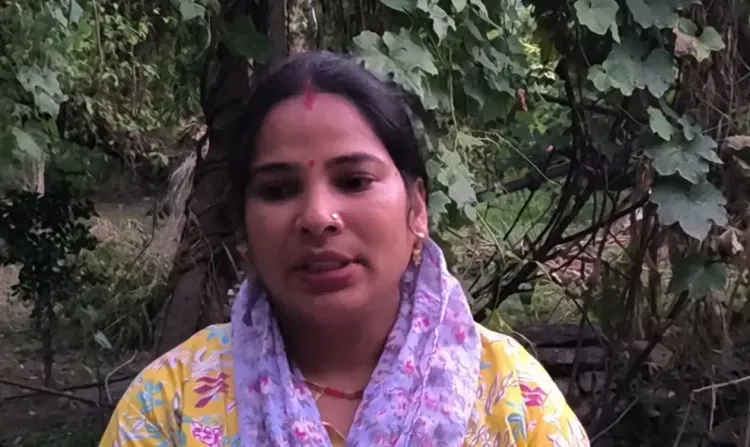
Beneficiary Malti confirmed the support aids her cultivation activities and purchase of farming materials.
The Pradhan Mantri Kisan Samman Nidhi (PM-KISAN) scheme is delivering meaningful financial relief to farming households in the remote hill district of Chamoli, Uttarakhand, with 48,275 farmers currently enrolled as beneficiaries. The central government's flagship agricultural support programme provides eligible farming families with direct income assistance to ease the burden of cultivation costs.
How the Scheme Works
Under PM-KISAN, each eligible farmer receives ₹6,000 annually, disbursed in three equal instalments of ₹2,000 each. The funds are transferred directly into beneficiaries' bank accounts, ensuring timely access without intermediary delays. This direct-benefit-transfer model has been central to the scheme's design since its national rollout.
Ground Reality in Chamoli
Farmers in Chamoli say the assistance is helping them cope with steadily rising cultivation costs. The money is primarily used to purchase seeds, fertilisers, and other essential agricultural inputs. For small and marginal farmers — who make up a significant portion of the agricultural workforce in this mountainous region — even modest and timely financial support can be the difference between sowing a crop and skipping a season.
Agriculture remains a primary livelihood for many households in Chamoli, but the district presents distinct challenges: difficult terrain, limited irrigation infrastructure, and high input costs relative to yields. Government assistance is therefore seen as a critical buffer rather than a supplement.
Beneficiary Voices
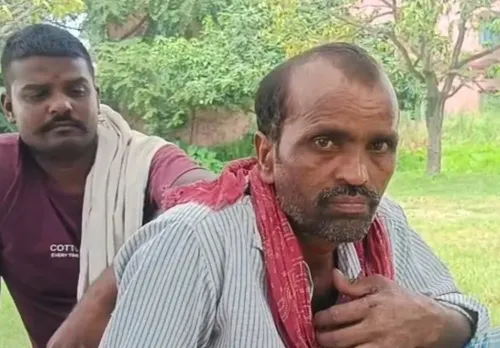
Malti, a farmer enrolled under the programme, said the financial assistance helps her significantly during the cultivation cycle. She uses the instalment amount to purchase seeds and other materials required for farming activities, and credited Prime Minister Narendra Modi for introducing the initiative.
Broader Significance
PM-KISAN, launched by the Centre in February 2019, now covers crores of farmers nationwide. Chamoli's 48,275 beneficiaries reflect the scheme's penetration into geographically challenging districts that are often underserved by credit and insurance markets. Analysts note that direct income transfers are particularly effective in hill economies where formal agricultural credit remains sparse. The scheme is part of the government's wider push to strengthen rural financial security and reduce farmer distress, especially in states like Uttarakhand where farm sizes are small and climate variability is high.
With the latest instalment cycle under way, district officials say outreach efforts continue to ensure no eligible household is left out of the programme's ambit.
Point of View
000 annual transfer is small by national standards, but in a hill economy like Chamoli — where a sowing season can hinge on whether a family can afford certified seed — it functions as a critical buffer. The more important question is whether the scheme is reaching all eligible households, particularly those without Jan Dhan-linked accounts or those excluded by land-record digitisation gaps. Penetration data at the district level, not just aggregate beneficiary counts, would give a clearer picture of the programme's true reach.
NationPress
24 Oct 2026
Frequently Asked Questions
What is the PM-KISAN scheme and how does it work?
The Pradhan Mantri Kisan Samman Nidhi (PM-KISAN) is a central government scheme launched in February 2019 that provides eligible farming families with ₹6,000 annually, paid in three instalments of ₹2,000 each directly into their bank accounts. It is designed to help farmers meet essential agricultural expenses such as seeds, fertilisers, and other inputs.
How many farmers in Chamoli benefit from PM-KISAN?
A total of 48,275 farmers in Chamoli district, Uttarakhand, are currently enrolled as beneficiaries under the PM-KISAN scheme. They receive direct income support to manage cultivation costs in the mountainous region.
Why is the PM-KISAN scheme especially significant for Chamoli farmers?
Chamoli is a remote hill district with difficult terrain, high agricultural input costs, and limited access to formal credit. For small and marginal farmers in such conditions, even a modest direct transfer of ₹2,000 per instalment can provide critical support during sowing and cultivation seasons.
How is the PM-KISAN assistance being used by Chamoli farmers?
Farmers in Chamoli are primarily using the PM-KISAN instalments to purchase seeds, fertilisers, and other essential agricultural materials. Beneficiary Malti confirmed that the funds directly support her cultivation activities and help her buy farming inputs.
Who is eligible for the PM-KISAN scheme?
Eligible beneficiaries under PM-KISAN are farming families who hold cultivable land, subject to exclusion criteria that rule out higher-income taxpayers, government employees, and professionals. Payments are made directly to bank accounts linked to land records.