How PM-KISAN Became a Lifeline for Small Farmers in MP
Synopsis
Explore how the PM-KISAN scheme, launched by PM Modi, serves as a crucial financial support for small farmers in Madhya Pradesh, transforming their agricultural practices and enhancing their livelihoods.
Key Takeaways
Direct financial support: The PM-KISAN scheme provides ₹6,000 annually to farmers.
Timely payments: Funds are delivered in three installments, ensuring financial stability.
Reducing dependency: Farmers are less reliant on loans and middlemen, allowing better investment.
Empowering farmers: The scheme fosters self-reliance and confidence in agricultural practices.
Call for expansion: Farmers desire increased assistance and broader eligibility for enhanced benefits.
Harda, March 24 (NationPress) Initiated by Prime Minister Narendra Modi, the Pradhan Mantri Kisan Samman Nidhi (PM-KISAN) program has become a vital economic support system for countless small and marginal farmers nationwide.
This initiative is specifically crafted for those who require it the most, offering an annual financial aid of ₹6,000 directly into farmers’ bank accounts.
The funds are distributed in three equal payments of ₹2,000 at four-month intervals, providing timely and consistent support throughout the agricultural cycle.
As of now, the government has successfully issued 22 payments, delivering essential relief to farmers facing escalating input costs and unpredictable weather conditions.
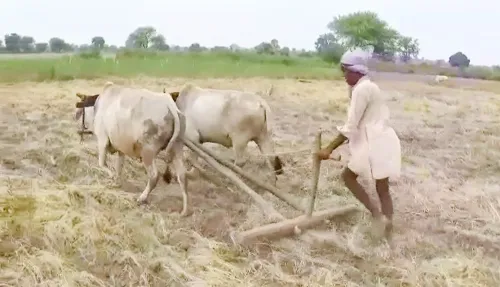
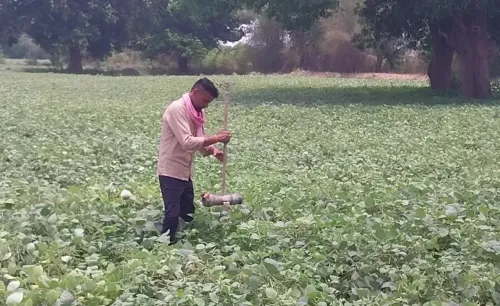
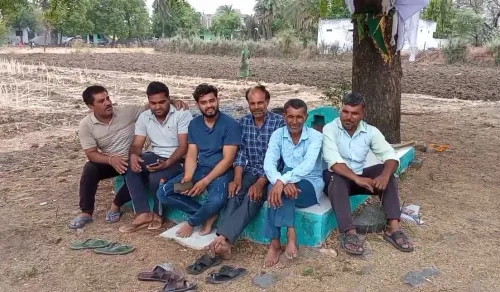
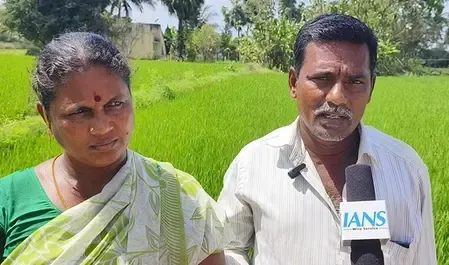
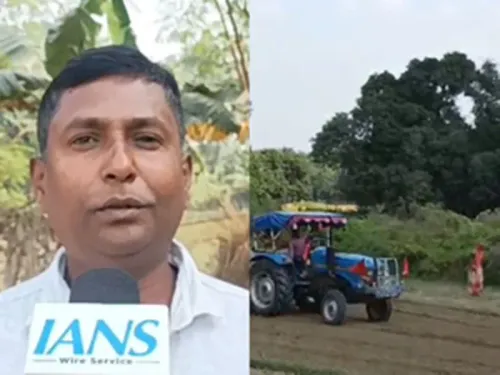
In the villages of Harda district, the scheme’s effects are evidently transformative. Narendra Bhati, a farmer from Balagaon village, shares that PM-KISAN has been a remarkable blessing since it began.
“Previously, I had to rely on loans with exorbitant interest rates to purchase seeds, fertilizers, and pesticides. Now, the funds are credited directly to my account before each season. I can buy inputs at market rates without any intermediaries, significantly lowering my production costs,” he explains.
For Bhati and many others, the direct cash transfer has alleviated their dependence on costly credit and middlemen, enabling better planning and investment in quality resources.
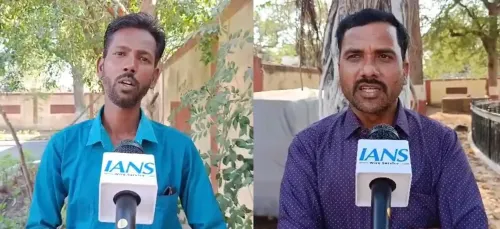
Nandkishore Gaur, another farmer from the area, shares similar thoughts.
He notes that the punctuality of the three payments has ensured that small agricultural tasks never get delayed.
“Whether it’s preparing the field, purchasing seeds, or tending to crops, the funds come exactly when I need them. I no longer encounter financial strain mid-season,” Gaur states.
This reliable support has empowered farmers to concentrate fully on cultivation without the stress of cash flow worries.
Chandrakant Sitoke from Jhundgaon village acknowledges the scheme’s framework but suggests potential improvements.
“Receiving financial aid three times a year has simplified expense management. However, if the instalment amount could be increased from ₹2,000 to ₹5,000, it would provide even greater relief. This would enable us to invest more in advanced techniques and enhance our financial stability,” he proposes.
His perspective reflects a widespread desire among beneficiaries to amplify the scheme’s advantages.
Ashok Gurjar, a resident of Chhidgaon Tamoli village, emphasizes how the program has considerably eased his financial load.
“I no longer need loans for fertilizers and seeds. Previously, buying on credit meant extra interest payments. Now, with direct cash, I purchase everything at lower prices and have become self-sufficient,” Gurjar remarks.
Furthermore, he highlights that the scheme’s transparency is its greatest asset. Since funds are deposited directly into bank accounts, there are no middlemen or deductions, ensuring that every rupee reaches the farmer. This direct benefit transfer model has fostered significant trust within the agricultural community.
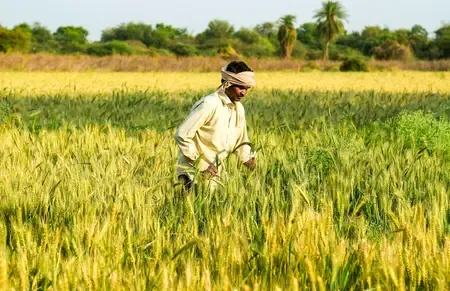
Farmers throughout Harda district assert that the scheme has not only provided financial aid but also instilled a newfound sense of self-confidence. Small and marginal farmers, who previously lagged due to limited resources, are now adopting modern agricultural practices more effectively.
The annual support of ₹6,000 is enabling them to invest in superior seeds, advanced equipment, and timely irrigation, resulting in enhanced productivity. The scheme’s success is evident in the growing demand for its continuation and expansion.
Farmers strongly advocate for such initiatives to persist without interruption and to include an even larger number of beneficiaries in the future.
Many express heartfelt gratitude to Prime Minister Narendra Modi for implementing a program that has significantly improved their lives.
“This scheme has economically empowered us and provided a new beacon of hope,” says one farmer, encapsulating the collective sentiment.
Experts emphasize that PM-KISAN has played a crucial role in alleviating rural debt and fostering self-reliance among farmers.
By eliminating the need for intermediaries and ensuring complete transparency, the scheme has reinforced the relationship between the government and farmers.
With 22 payments already delivered, the program continues to serve as a dependable source of income support, aiding small farmers in effectively tackling the challenges of agriculture.
Looking forward, farmers are hopeful that the scope of PM-KISAN will be further broadened. If the support amount is increased and more farmers are included, the scheme could become an even more powerful catalyst for agricultural development in India.
For now, in villages like Balagaon, Jhundgaon, and Chhidgaon Tamoli, the Pradhan Mantri Kisan Samman Nidhi stands as a remarkable illustration of how targeted government assistance can positively impact the lives of those who nourish the nation.
Point of View
The PM-KISAN scheme exemplifies the government's commitment to empowering small farmers. By providing direct financial support, this initiative strengthens the agricultural sector and contributes to rural development. It is crucial to continue monitoring its impact and explore ways to expand its benefits further.
NationPress
23 Sept 2026
Frequently Asked Questions
What is the PM-KISAN scheme?
The PM-KISAN scheme is a government initiative providing ₹6,000 annually to small and marginal farmers in India, delivered directly to their bank accounts.
How does the financial assistance work?
Farmers receive ₹2,000 in three installments throughout the year, ensuring timely financial support for agricultural activities.
Who is eligible for the PM-KISAN scheme?
Small and marginal farmers across India are eligible for the PM-KISAN scheme.
How has the PM-KISAN scheme impacted farmers?
The scheme has reduced farmers' dependence on loans and middlemen, improved their cash flow, and enabled investment in quality agricultural inputs.
Is there potential for the PM-KISAN scheme to be expanded?
Many farmers advocate for the enhancement of the assistance amount and inclusion of more beneficiaries to further strengthen agricultural growth.