PMMVY disburses ₹20,150 crore to 4.28 crore mothers by April 2025

Synopsis
India's flagship maternity cash transfer scheme has reached 4.28 crore mothers with ₹20,150 crore disbursed — but 64 lakh enrolled women are still awaiting payouts. Behind the headline numbers lies a sharper story: MMR has dropped from 130 to 88 per lakh live births, and female school enrolment has jumped from 32% to 48% in a decade.
Key Takeaways
PMMVY has disbursed ₹20,150 crore to 4.28 crore beneficiaries by April-end 2025 .
Total enrolments under the scheme stand at 4.92 crore women.
Maternal Mortality Ratio fell to 88 per lakh live births in 2021–2023 from 130 in 2014–15.
Female school enrolment rose from 1.57 crore (32%) in 2014-15 to 11.93 crore (48%) today.
AICTE PRAGATI Scholarship has supported nearly 36,000 girl students by 2024–25.
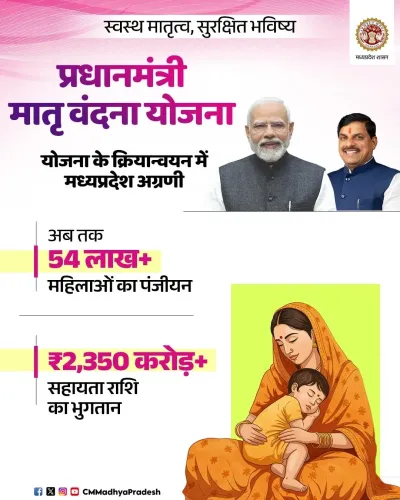
The Pradhan Mantri Matru Vandana Yojana (PMMVY) has disbursed ₹20,150 crore in conditional maternity cash transfers to 4.28 crore beneficiaries, with total enrolments touching 4.92 crore women as of April-end 2025, the Centre said on Tuesday. The government framed the numbers as evidence of a decade-long shift from ‘women's welfare' to ‘women-led development' between 2014 and 2026.
Key disbursement numbers
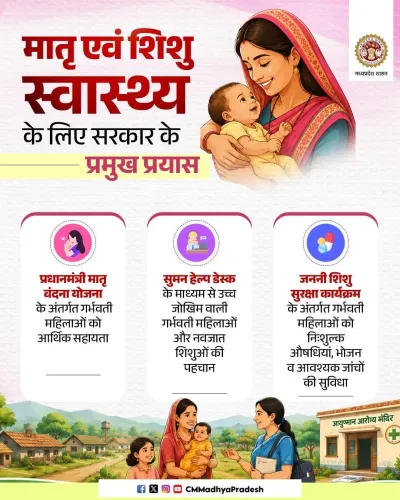
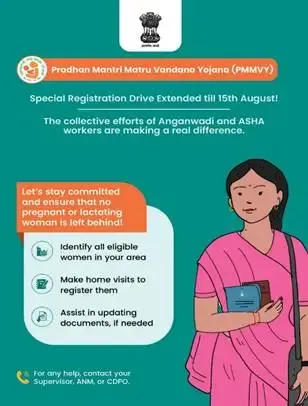
According to the official statement, PMMVY — launched in 2017 — provides conditional cash transfers tied to early pregnancy registration, antenatal care and immunisation, designed to improve maternal well-being and incentivise institutional care.
The scheme has so far reached 4.28 crore mothers out of 4.92 crore enrolled, indicating a payout gap of roughly 64 lakh beneficiaries still in the pipeline.
Maternal health gains
Complementary maternal programmes have widened the safety net, the Centre said. Under the Pradhan Mantri Surakshit Matritva Abhiyan (PMSMA), over 7.4 crore pregnant women have been examined and more than 6.85 crore antenatal check-ups conducted, with 1.03 crore high-risk pregnancies flagged for focused monitoring.
The Maternal Mortality Ratio has fallen to 88 per lakh live births for 2021–2023, down from 130 in 2014–15, according to data cited in the statement.
Education and school infrastructure
The Centre said 99.3% of schools now have access to drinking water, up from 95.72% in 2015, while 97.3% have functional girls' toilets, up from 92.09%. Female enrolment has risen from 1.57 crore (32%) in 2014-15 to 11.93 crore (48%) currently.
Between 2018-19 and 2025-26, over 4,073 schools were upgraded and more than 1.49 lakh ICT and digital learning initiatives, including smart classrooms, were supported. The AICTE PRAGATI Scholarship, which offers 10,000 scholarships annually for girls in technical education, had benefited nearly 36,000 students by 2024–25.
Financial inclusion and livelihoods
The statement noted that Self Help Groups, entrepreneurship programmes and digital inclusion initiatives have expanded women's economic participation, while improved access to sanitation, housing, clean cooking fuel and tap water has strengthened dignity and quality of life.
What's next
With the payout backlog of nearly 64 lakh enrolled beneficiaries still pending, attention is likely to shift to clearance timelines and last-mile delivery in the coming quarters.
Point of View
150 crore is significant, but the gap between 4.92 crore enrolments and 4.28 crore payouts — roughly 64 lakh women — deserves scrutiny. Conditional cash transfers only work if the conditions are met and the money actually arrives on time; delayed disbursement undermines the behavioural incentive the scheme was designed to create. The drop in MMR from 130 to 88 is genuine progress, but India still trails the SDG target of 70 by 2030. The real test of ‘women-led development' is whether last-mile delivery catches up with enrolment ambition.
NationPress
26 Sept 2026
Frequently Asked Questions
What is the Pradhan Mantri Matru Vandana Yojana (PMMVY)?
PMMVY is a centrally sponsored maternity benefit scheme launched in 2017 that provides conditional cash transfers to pregnant and lactating mothers. The payouts are linked to early pregnancy registration, antenatal check-ups and immunisation of the child.
How much has PMMVY disbursed so far?
The scheme has disbursed ₹20,150 crore to 4.28 crore beneficiaries by April-end 2025, according to the government. Total enrolments under the scheme stand at 4.92 crore women.
How has India's Maternal Mortality Ratio changed?
India's Maternal Mortality Ratio has fallen to 88 per lakh live births for 2021–2023, down from 130 in 2014–15. The Centre attributes the decline to schemes like PMMVY and PMSMA.
What is the AICTE PRAGATI Scholarship?
The AICTE PRAGATI Scholarship offers 10,000 scholarships annually to girl students in diploma and degree-level technical education. By 2024–25, nearly 36,000 girls had benefited under the scheme since its expansion.
How has female school enrolment changed since 2014?
Female school enrolment has risen from 1.57 crore (32%) in 2014-15 to 11.93 crore (48%) currently. The Centre also cites improvements in girls' toilets and drinking water access in schools as enabling factors.