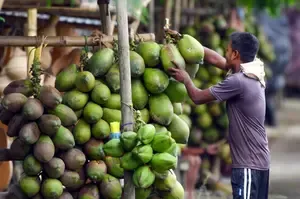
Pollachi coconut exports revive on Gulf demand return; freight costs weigh
Synopsis
After nearly three months of near-zero shipments due to the West Asia conflict, Pollachi's coconut exporters are fielding fresh Gulf enquiries — but the recovery is fragile. Wholesale prices have crashed 38% to ₹40,000 per tonne, freight costs remain elevated, and below-normal rainfall is already raising fears of a supply crunch next season.
Key Takeaways
Pollachi coconut exports are reviving as Gulf demand returns following an easing of West Asia geopolitical tensions.
Export operations through Kochi port had been largely suspended for nearly three months .
Wholesale coconut prices have fallen to around ₹40,000 per tonne , down from approximately ₹65,000 per tonne a year ago.
A bumper harvest and migrant labour shortages are simultaneously affecting market supply and harvesting operations.
Freight charges remain elevated despite easing from peak conflict-era levels, continuing to weigh on exporter margins.
Below-normal rainfall and drought-like conditions are raising fears of reduced production in the 2025-26 season.
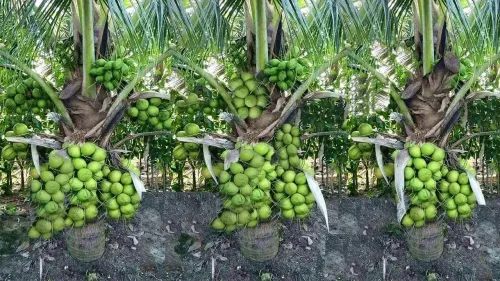
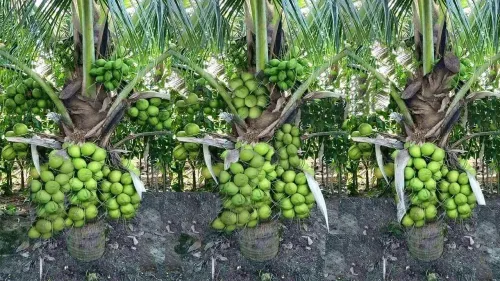
Coconut exports from Pollachi, Tamil Nadu's largest coconut-producing region, are showing signs of recovery as geopolitical tensions in West Asia ease and demand from Gulf countries gradually returns, offering much-needed relief to growers and exporters after nearly three months of near-total disruption.
Export Activity Resumes
Fresh enquiries from key Gulf markets have begun reviving overseas trade, which had come to an almost complete standstill during the West Asia conflict. Before the disruption, Pollachi exporters shipped several containers of coconuts daily to Gulf nations through Kochi port — a channel that remained largely suspended for close to three months.
Industry stakeholders expect shipments to gradually return to pre-conflict levels over the coming weeks as enquiries continue to build. However, freight charges remain considerably elevated compared to normal, despite easing from the peak levels recorded during the height of the conflict. The steep shipping costs had earlier caused significant losses, with several consignments reportedly deteriorating before reaching their destinations.
Domestic Market Hit by Oversupply
The prolonged export halt triggered an oversupply in the domestic market, sending wholesale coconut prices sharply lower. Prices have dropped to around ₹40,000 per tonne, compared with approximately ₹65,000 per tonne during the corresponding period last year — a decline of nearly 38%.
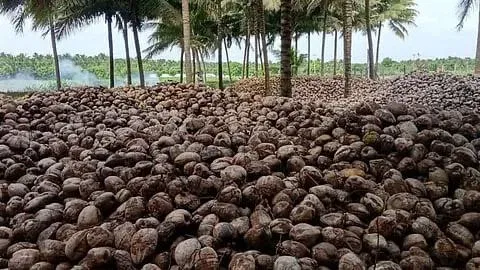
A bumper harvest has compounded the pressure, significantly increasing market arrivals. Notably, labour shortages have prevented an even steeper price collapse — a shortage of migrant workers has disrupted harvesting and de-husking operations across the region, slowing the pace at which produce reaches markets. Growers expect the higher production cycle to continue for another two months before the harvesting season tapers off.
Concerns Over Next Season's Crop
Even as the export outlook brightens, concerns are emerging over the 2025-26 crop season. Below-normal rainfall this year and developing drought-like conditions are raising fears of reduced production in the coming season, which could eventually push prices back up.
Water scarcity has already become an immediate challenge for many farmers. Inadequate rainfall has depleted groundwater levels, forcing growers to rely on tanker water to irrigate coconut groves and protect trees from prolonged dry spells. This comes amid an already fragile market recovery, adding a layer of structural risk that the sector will need to navigate carefully.
What the Sector Is Watching
The twin pressures — high freight costs on the export side and rainfall deficits on the production side — mean the recovery, while real, remains fragile. Industry stakeholders remain cautiously hopeful that a sustained revival in Gulf demand will restore price stability to the Pollachi coconut belt, even as they brace for a potentially tighter supply cycle ahead.
Point of View
And a supply crunch next season could send prices swinging sharply in the other direction — hurting the very Gulf buyers whose return is being celebrated now. Meanwhile, the sector's dependence on a single port corridor and volatile West Asia demand has been fully exposed. Without freight cost normalisation and diversification of export markets, Pollachi's coconut economy will remain hostage to geopolitical cycles it cannot control.
NationPress
5 Oct 2026
Frequently Asked Questions
Why did Pollachi coconut exports decline in recent months?
Exports fell sharply due to geopolitical tensions in West Asia, which nearly halted Gulf demand — the primary destination for Pollachi coconuts. Shipments through Kochi port were largely suspended for close to three months, causing significant losses for traders and farmers.
What are current wholesale coconut prices in Pollachi?
Wholesale prices have dropped to around ₹40,000 per tonne, compared with approximately ₹65,000 per tonne during the same period last year — a decline of nearly 38%. The fall is attributed to the export halt triggering domestic oversupply, compounded by a bumper harvest.
Why do freight costs remain a concern despite the export revival?
Shipping charges remain considerably higher than pre-conflict levels, even though they have eased from their peak. Elevated freight costs compress exporter margins and had earlier caused consignments to deteriorate in transit, making full recovery contingent on freight normalisation.
What is the outlook for next year's coconut crop in Tamil Nadu?
The outlook is cautious. Below-normal rainfall and developing drought-like conditions are raising fears of reduced production in the coming season. Many farmers are already using tanker water to irrigate groves, signalling that water scarcity is an immediate and growing challenge.
How have labour shortages affected the Pollachi coconut sector?
A shortage of migrant workers has disrupted harvesting and de-husking operations across the region. Paradoxically, this has limited the pace of market arrivals and prevented wholesale prices from falling even further despite the bumper harvest.