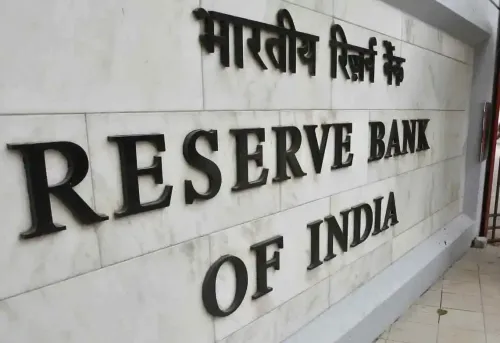
RBI dividend, disinvestment push to bolster India's fiscal health in FY27: CareEdge

Synopsis
India's FY27 fiscal story is less about a single headline number and more about layered buffers — RBI dividends exceeding estimates, an IDBI Bank sale pushing disinvestment toward ₹1 lakh crore, and capex up 12.7% in H1. CareEdge Ratings says the Centre has enough institutional cushions to hold its deficit target, even as income tax and excise collections threaten to undershoot.
Key Takeaways
CareEdge Ratings projects India's fiscal position in FY27 to remain stable, backed by strong RBI dividend receipts and disinvestment gains.
Total disinvestment proceeds are expected to reach approximately ₹1 lakh crore , driven by the proposed IDBI Bank stake sale and asset monetisation.
RBI dividend receipts are expected to marginally exceed budget estimates in FY27 .
Capital expenditure rose 12.7 per cent in H1 FY27, with railways and highways leading; excluding food distribution spending, growth was 14 per cent .
The Centre can tap a ₹1 lakh crore Economic Stabilisation Fund if needed to maintain the fiscal deficit target.
No additional pressure on government borrowing is anticipated during the current financial year, according to the report.
India's fiscal position in FY27 is expected to remain broadly stable, supported by strong Reserve Bank of India (RBI) dividend transfers, improving disinvestment proceeds, and sustained capital expenditure growth, according to a report released on Tuesday, 3 November 2026 by CareEdge Ratings. The findings suggest that institutional buffers and resilient revenue streams are helping the Centre navigate near-term fiscal pressures.
Tax Revenue Outlook
GST and customs duty collections are expected to continue providing a solid foundation for tax revenues in FY27, according to CareEdge Ratings. However, the report cautioned that income tax and excise duty collections may fall short of budget projections. The shortfall, the report noted, is likely to be cushioned by higher-than-anticipated RBI dividend receipts and proceeds from asset monetisation initiatives.
Disinvestment and Asset Monetisation
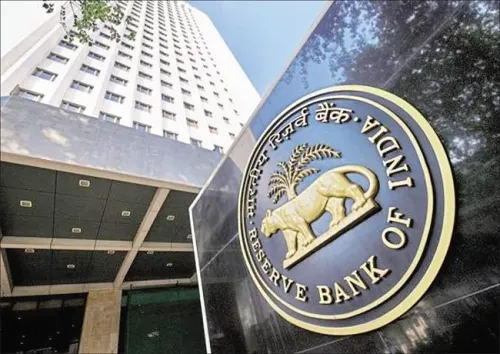
The government's disinvestment programme has recorded significant progress, with total proceeds expected to reach approximately ₹1 lakh crore. The proposed IDBI Bank stake sale and ongoing asset monetisation efforts are cited as the primary drivers of this figure. The RBI's surplus transfer to the government has also emerged as a key fiscal buffer, with dividend receipts in FY27 expected to marginally exceed budget estimates — continuing a trend of strong payouts in recent years that has created additional spending room for the Centre.
Capital Expenditure Maintains Momentum
Capital expenditure rose 12.7 per cent in the first half of FY27, led by increased spending on railways and highways. Excluding food distribution-related expenditure, capital spending registered an even stronger 14 per cent growth over the same period. Capital transfers to states also increased substantially, reflecting higher allocations under investment-support schemes designed to accelerate infrastructure development across the country.
Fiscal Stabilisation Mechanisms
According to CareEdge Ratings, the Centre retains access to a ₹1 lakh crore Economic Stabilisation Fund as an additional lever, if required, to defend its fiscal deficit target. The report also does not anticipate any additional pressure on government borrowing during the current financial year — a signal of relative confidence in revenue and expenditure management. Taken together, the report concludes that India's public finances continue to benefit from strong institutional frameworks even as near-term challenges persist.
Broader Fiscal Implications
This assessment arrives at a time when several emerging economies are contending with rising borrowing costs and narrowing fiscal headroom. India's ability to draw on multiple revenue streams — tax buoyancy, RBI transfers, and disinvestment — distinguishes its fiscal architecture from peers. Nonetheless, the dependence on one-off receipts such as the IDBI Bank stake sale and RBI dividends raises questions about structural revenue adequacy over the medium term. How the government manages the transition from extraordinary receipts to durable tax-based revenue will be closely watched in the months ahead.
Point of View
But it quietly confirms a structural concern: India's fiscal comfort in FY27 leans heavily on extraordinary, non-recurring receipts — RBI surplus transfers and a one-time bank stake sale. These are not substitutes for deepening the direct tax base or rationalising exemptions. The 12.7 per cent capex growth is genuinely positive, but capital transfers to states depend on Centre-to-state conditionalities that historically slow disbursement timelines. The real test is whether this fiscal architecture can hold in a year when global risk appetite tightens and the IDBI transaction faces regulatory or market headwinds.
NationPress
3 Nov 2026
Frequently Asked Questions
What does the CareEdge Ratings report say about India's fiscal position in FY27?
The report, released on 3 November 2026, says India's fiscal position in FY27 is expected to remain stable, supported by strong RBI dividend transfers, improved disinvestment proceeds, and sustained capital expenditure growth. CareEdge believes these buffers will help the Centre manage near-term fiscal pressures.
How much are India's disinvestment proceeds expected to reach in FY27?
Total disinvestment proceeds are expected to reach approximately ₹1 lakh crore in FY27, according to CareEdge Ratings. The proposed IDBI Bank stake sale and ongoing asset monetisation initiatives are the primary drivers of this projection.
What is the Economic Stabilisation Fund and how big is it?
The Economic Stabilisation Fund is a fiscal reserve maintained by the Centre that currently stands at ₹1 lakh crore. According to CareEdge, the government can draw on this fund if required to maintain its fiscal deficit target during FY27.
How has capital expenditure performed in the first half of FY27?
Capital expenditure grew 12.7 per cent in the first half of FY27, led by increased spending on railways and highways. Excluding food distribution-related outlays, growth was even stronger at 14 per cent, and capital transfers to states also increased substantially.
Which tax categories may underperform in FY27?
Income tax and excise duty collections are expected to fall short of budget projections in FY27, according to CareEdge Ratings. However, the report says higher RBI dividends and asset monetisation receipts are likely to offset the shortfall.