RBI hikes repo rate 25 bps to 5.50%: floating home loan EMIs set to rise

Synopsis
For the first time since February 2023, the RBI has raised the repo rate — up 25 bps to 5.50% — and killed any near-term hope of cuts by shifting to 'Calibrated Tightening'. For crores of floating-rate home loan borrowers, that means higher EMIs are likely coming, with an 8% loan potentially ticking up to 8.25% as banks pass on the increase.
Key Takeaways
The RBI raised the repo rate by 25 basis points to 5.50% at its latest MPC meeting.
The hike is the first since February 2023 , reversing the rate-cut cycle initiated in 2025 .
Floating-rate home loan borrowers at 8% could see rates rise to around 8.25% if banks pass on the full increase.
RBI Governor Sanjay Malhotra declared rate cuts 'off the table' in the near term, shifting policy stance to 'Calibrated Tightening' .
Future policy action will be a further hike or a pause — no easing — depending on evolving inflation and economic conditions.
Drivers include West Asia tensions , elevated crude oil prices , and food inflation concerns.
The Reserve Bank of India (RBI) has raised the repo rate by 25 basis points to 5.50 per cent, a move that is likely to push up borrowing costs for millions of home loan customers on floating-rate plans. The decision, taken at a three-day Monetary Policy Committee (MPC) meeting, signals a shift away from the rate-cut cycle the central bank had been running through 2025.
What the Rate Hike Means for Borrowers
Floating-rate home loans — the preferred choice for most retail borrowers because they typically cost 1–2.5 per cent less than fixed-rate alternatives — are directly benchmarked to the repo rate. When the RBI raises its policy rate, banks almost invariably pass on the increased cost through higher lending rates, pushing up either the equated monthly instalment (EMI) or the loan repayment tenor.
In practical terms, a borrower currently servicing a home loan at 8 per cent could see their effective rate climb to around 8.25 per cent if banks transmit the full 25 bps increase, according to estimates. Experts are urging customers to monitor their banks' official websites for updated lending rate schedules, noting that the precise impact will vary by lender and loan structure.
Why the MPC Moved Now
The rate decision comes amid a convergence of external and domestic pressures. Tensions in West Asia, elevated crude oil prices, and persistent concerns over food inflation were among the key factors weighing on the committee's deliberations, according to reports. Analysts had broadly anticipated the 25 bps increase as a calibrated response to inflation risks.
This marks the first rate increase since February 2023, when the RBI also raised the repo rate by 25 basis points. The central bank had held rates steady through 2023–24 before pivoting to a rate-cut cycle in 2025. The latest move effectively reverses that easing trajectory.
RBI Governor's Stance: No Cuts in Sight
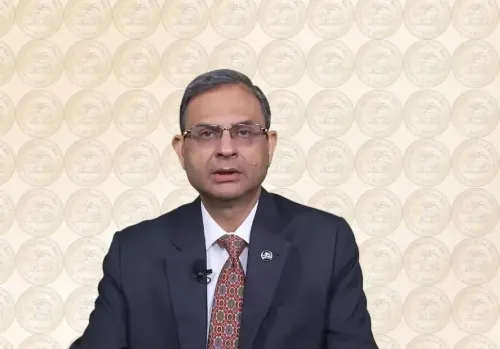
RBI Governor Sanjay Malhotra stated plainly that rate cuts are off the table in the near term, announcing a shift in the policy stance to 'Calibrated Tightening'. Speaking after the MPC meeting, he said that future policy action would be limited to either a further rate hike or a pause, depending on how economic conditions and the inflation outlook evolve.
The stance change is significant: 'Calibrated Tightening' signals that the RBI is prepared to act further if inflationary pressure persists, ruling out any near-term accommodation.
Broader Impact and What to Watch
Beyond home loans, higher lending rates typically ripple across auto loans, personal loans, and business credit, adding to household and corporate financing costs. The housing sector — already navigating elevated property prices in major cities — may see some demand moderation if EMI burdens rise sharply.
Economists and market participants will now watch incoming inflation data, crude oil trajectories, and the next MPC meeting for signals on whether this tightening cycle extends further or stabilises at the current level.
Point of View
Not just food prices, forced the committee's hand. The pivot to 'Calibrated Tightening' is a hawkish signal that markets may have underpriced: it formally closes the door on the rate-cut narrative that drove housing demand and bond rally expectations in early 2025. For borrowers, the more telling question is transmission speed — in the 2022–23 tightening cycle, some banks took months to fully pass on hikes, cushioning near-term EMI pain. Whether that lag repeats, or whether competitive pressures force quicker pass-through this time, will determine the real bite of this decision on household budgets.
NationPress
7 Oct 2026
Frequently Asked Questions
What did the RBI decide at its latest MPC meeting?
The RBI raised the repo rate by 25 basis points to 5.50% and shifted its policy stance to 'Calibrated Tightening', effectively ruling out near-term rate cuts. Governor Sanjay Malhotra said future action will be limited to a further hike or a pause, depending on evolving conditions.
How will the RBI repo rate hike affect home loan EMIs?
Floating-rate home loans are benchmarked to the repo rate, so banks are likely to raise lending rates by a similar margin. A borrower currently at 8% interest could see their rate rise to around 8.25% if the full 25 bps increase is passed on, resulting in higher EMIs or a longer repayment period.
When did the RBI last raise the repo rate before this?
The RBI last raised the repo rate in February 2023, also by 25 basis points. It then held rates steady through 2023–24 and began cutting rates in 2025 before reversing course with this latest hike.
Why did the RBI raise rates now?
The MPC cited a combination of geopolitical tensions in West Asia, elevated crude oil prices, and concerns over food inflation as key pressures on the economy. Analysts had broadly anticipated the move as a step to control inflation.
What does 'Calibrated Tightening' mean for borrowers?
'Calibrated Tightening' is a policy stance signalling that the RBI is prepared to raise rates further if needed, with no room for cuts in the near term. For borrowers, it means the interest rate environment is likely to stay elevated or rise further, making it important to review loan terms and check banks' updated lending rate schedules.