RBI Implements Daily Limits to Mitigate Currency Speculation on the Rupee

Synopsis
In a strategic move to stabilize the Indian rupee amid rising speculation, the RBI has mandated banks to limit their open positions. This intervention aims to address the currency's decline linked to international conflicts and soaring oil prices.
Key Takeaways
The RBI has set a daily cap of $100 million for banks on the rupee to combat speculation.
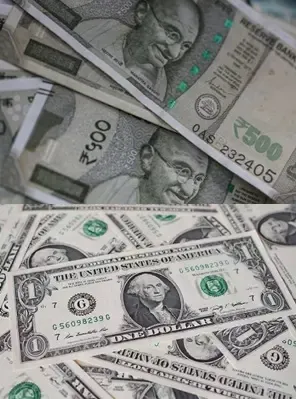
The rupee has fallen below 94 per dollar for the first time, with a total decline exceeding 4% .
Rising crude oil prices present significant challenges to India's economy.
Analysts predict a potential recovery for the rupee within two to three months .
India's economic stability remains under scrutiny due to fluctuating global oil prices.
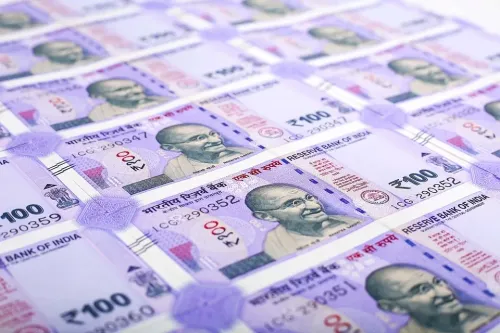
New Delhi, March 28 (NationPress) The Reserve Bank of India (RBI) has taken decisive action to mitigate speculative trading that threatens the stability of the Indian rupee by mandating that banks designated as authorized dealers restrict their end-of-day open positions in the onshore rupee to a maximum of $100 million. This intervention comes as the domestic currency has experienced a significant drop, influenced by a widening trade deficit linked to the ongoing US-Israel and Iran conflict.
The central bank has set April 10 as the deadline for commercial banks to implement this daily cap, with the possibility of adjusting limits based on changing market dynamics. Analysts suggest that should the rupee's depreciation persist, the RBI might consider introducing further measures. They noted that the central bank's efforts to support the currency have considerably drained its foreign-exchange reserves, restricting its capacity for aggressive market intervention.
Recently, the rupee fell below the 94 per dollar threshold for the first time, marking a nearly 1% decline against the dollar, contributing to an overall drop of over 4% since the onset of the US-Iran war.
With Brent crude oil prices consistently above $100 per barrel—substantially higher than the $70 baseline the RBI forecasted in October—India's import expenditures have surged, complicating the central bank’s dual objectives of managing inflation while maintaining currency stability.
Despite these challenges, a recent report suggests that a market recovery is anticipated as crude oil pressures ease and price-earnings (P/E) ratios normalize. Emkay Global Financial Services has projected a potential rebound for the Indian rupee towards Rs 91 per US dollar and a drop in the 10-year government bond yield to approximately 6.65%, down from the current 6.83%, with a return to stability expected within two to three months.
India's economic landscape remains robust, even amid rising fuel costs, with the trajectory of crude oil prices playing a pivotal role in shaping the nation's external balance in the upcoming fiscal year. A sustained increase in global crude oil prices could significantly exacerbate India's current account deficit (CAD), impacting both growth and inflation rates.
aar/na
Point of View
The RBI's actions reflect a proactive approach to managing currency stability amidst global economic uncertainties. The measures aim to safeguard the integrity of the Indian rupee, ensuring that it remains resilient against external shocks.
NationPress
27 Sept 2026
Frequently Asked Questions
What is the new daily cap for banks on the rupee?
The RBI has ordered banks to limit their end-of-day open positions in the onshore rupee to $100 million.
Why is the RBI implementing these measures?
The measures aim to curb speculative trading that is contributing to the decline of the Indian rupee amid widening trade deficits.
What impact could rising crude oil prices have on India?
Rising crude oil prices could widen India's current account deficit and negatively impact both growth and inflation.
When will the daily cap be implemented?
Commercial banks are required to implement the daily cap by April 10.
What are the projections for the Indian rupee?
Analysts expect the rupee may rebound towards Rs 91 per US dollar in the coming months.