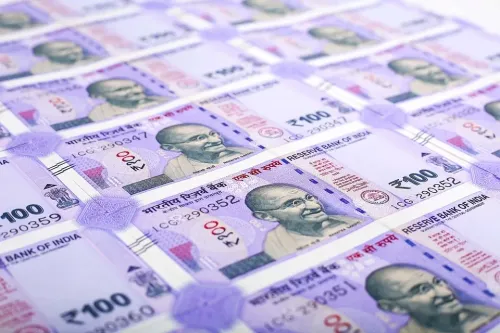
Indian Rupee Strengthens as RBI Deadline Approaches
Synopsis
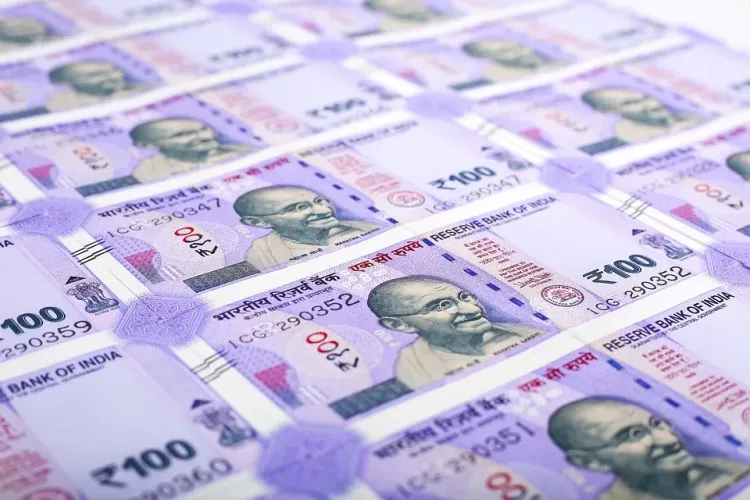
As the Reserve Bank of India sets a crucial deadline, the Indian rupee shows a modest gain against the US dollar. Traders remain alert to fluctuating crude oil prices and await further directives from the RBI regarding market positions.
Key Takeaways
The Indian rupee has opened higher, trading at 92.57 against the US dollar.
RBI's deadline for banks to unwind their positions is April 10.
Global crude oil prices are influencing market dynamics, with Brent crude at $97 per barrel.
RBI Governor emphasizes temporary measures to address market volatility.
Analysts advise caution as traders await further RBI guidance.
New Delhi, April 10 (NationPress) The Indian rupee commenced trading on Friday with an increase of nearly 10 paise as the Reserve Bank of India (RBI) neared its deadline for banks to unwind their arbitrage positions. Traders were also keenly observing the rising crude oil prices amidst ongoing uncertainty regarding the US-Iran ceasefire.
In early trading, the rupee was valued at 92.57 against the US dollar, marking a shift from its previous close of 92.66.
April 10 serves as the cutoff date for banks to liquidate any excessive positions in the offshore non-deliverable forwards (NDF) market.
Back in March, the RBI mandated that banks' net open position in the rupee should not surpass $100 million at the close of each business day. Despite numerous banks requesting an extension, the central bank upheld its decision, compelling lenders to unwind their arbitrage positions.
Market analysts suggest a cautious approach as traders await guidance from the RBI regarding overnight position limits. They also indicate that fears of pronounced rupee depreciation post-deadline may be exaggerated.
In the meantime, global crude prices have caught the attention of traders and investors. Brent crude was trading at $97 per barrel, reflecting an increase of 1.13 percent from the previous close. Similarly, US WTI crude rose over 1 percent to $99.24 during early trading. However, prices had previously dipped nearly 20 percent below the $100-per-barrel threshold.
On the Multi Commodity Exchange, crude oil futures (April 20) reached an intraday peak of Rs 9,222, marking a rise of 3.23 percent or Rs 289.
This week, RBI Governor Sanjay Malhotra stated that restrictions on banks' foreign exchange positions and limitations on offering non-deliverable forwards to clients are temporary measures designed to stabilize market volatility.
He remarked that the central bank has observed increased volatility in the foreign exchange market in recent weeks, partly due to arbitrage activities by banks.
Point of View
The Indian rupee's recent performance reflects the complex interplay of domestic monetary policy and global economic factors. The RBI's firm stance on position limits is a clear signal of its commitment to maintaining currency stability, though the market's response suggests a mix of caution and optimism among traders.
NationPress
10 Oct 2026
Frequently Asked Questions
What is the current exchange rate of the Indian rupee against the US dollar?
As of early trading on April 10, the Indian rupee is valued at 92.57 against the US dollar.
What is the RBI's deadline for banks?
The Reserve Bank of India has set April 10 as the deadline for banks to unwind excessive positions in the offshore non-deliverable forwards market.
How has crude oil price affected the market?
Traders are monitoring rising crude oil prices, which can significantly influence market sentiment and currency valuation.
What measures is the RBI taking to control market volatility?
The RBI has implemented curbs on banks' foreign exchange positions and restrictions on non-deliverable forwards to stabilize the market.
What could happen to the rupee post-deadline?
Analysts suggest that the expectations of sharp rupee depreciation following the RBI's deadline may be overstated, indicating a cautious market outlook.