RBI set for 50 bps rate hike in December: SBI Research
Synopsis
SBI Research has flipped back to forecasting a jumbo 50 bps RBI hike in December, calling a 25 bps move an outlier as inflation touches 6%. The report says such a hike would be the first 50 bps move ever made without a major trigger event. It warns that bond yields could spike and the rupee could come under pressure.
Key Takeaways
SBI Research said on 29 November 2026 that a 50 bps RBI rate hike in December now looks certain.
Inflation has hit 6 per cent , making a 25 bps hike an outlier despite strong Q2 GDP growth.
SBI Research first predicted 50 bps in October , cut its call to 25 bps in November , and has now reverted.
The report expects bond yields to rise initially and warns of adverse forex reactions and rapid EBLR transmission to retail and MSME borrowers.
It assigns a 70 per cent probability that the RBI shifts its stance to neutral in FY28 .
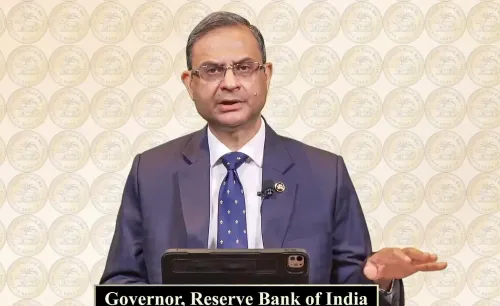
The Reserve Bank of India (RBI) now looks certain to deliver a jumbo 50 basis point rate hike at its December monetary policy meeting, according to a report released by SBI Research on Sunday, 29 November 2026. The report said a smaller 25 bps move has become an outlier with inflation hitting 6 per cent, even though India posted strong GDP growth in the second quarter (Q2).
If the projection holds, it would mark an aggressive start to a tightening cycle. Borrowers, bond markets and currency traders would all feel the impact in the weeks that follow.
How SBI Research Revised Its Call
The latest view reverses the research team's own recent position. As early as October, SBI Research had predicted a 50 bps hike. In a subsequent report in November, it scaled that forecast down to 25 bps.
That downgrade was based on strong domestic fundamentals. These included rupee appreciation, robust capital inflows and inflation that had been undershooting.
According to the report, the 25 bps call had suited a calibrated tightening environment. That environment was marked by easing pressure on the rupee, strong capital inflows, what it called unsustainable AI valuations, a stock market correction and the resulting financial stability concerns.
The report said that view held until emerging concerns appeared to have caught the regulator's attention. Notably, it now expects the RBI to raise its inflation forecasts for subsequent quarters in 2027 to justify the larger move.
Why a Stealth Hike Is Ruled Out
The report argued that the central bank prefers textbook liquidity management. That means keeping call rates close to the policy rate, rather than pushing them towards the upper end of the corridor in line with the Marginal Standing Facility (MSF) rate.
As a result, a stealth rate hike through liquidity tightening is not an option, the report said.
“It is thus better to hike by 50 bps in December policy even if it implies over-tightening at the beginning of a rate hike cycle. Empirical evidence reveals that a 50-bps rate hike in the past by a central bank is always because of a major key event. This time, such a 50-bps rate hike if it materialises will be the first without a major event,” the report highlighted.
Market Impact: Bonds, Rupee and Borrowers
The report considers a change in the RBI's stance away from calibrated tightening unlikely. It recalled that a similar stance shift in June 2025 threw markets into complete cacophony, with traders reading it as the last rate cut of that cycle.
Given these market idiosyncrasies, the report expects bond yields to shoot up initially. Markets may read the move as a signal that more hikes are coming. They may also conclude that the RBI is behind the curve, since a jumbo hike at the start of a cycle is, in the report's words, a clear exception and never a rule.
The forex market could also react adversely, the report warned. A larger hike might draw in more debt flows and outpace equity flows.
Growth concerns are another risk. Rapid transmission through the External Benchmark Lending Rate (EBLR) to retail and MSME borrowers would be a prime concern, the report said.
What Comes Next
The report also looks beyond the December meeting. “We assign a 70 per cent probability to RBI to change the stance to neutral in FY28 first as the peak of inflation will pass in November,” it said.
All eyes will now be on the RBI's December policy announcement. It will show whether the central bank front-loads its tightening or takes a more gradual path.
Point of View
And it should caution anyone treating any single forecast as settled. The report's most striking admission is that a 50 bps hike without a major trigger event would be unprecedented, so the RBI would be front-loading tightening on its own projections rather than on a visible shock. The cost would fall quickly on retail and MSME borrowers through EBLR-linked loans, at a moment when strong Q2 growth gives policymakers room to act but also something to lose.
NationPress
29 Nov 2026
Frequently Asked Questions
Will the RBI raise interest rates in December 2026?
According to SBI Research, a 50 bps rate hike at the RBI's December policy meeting now looks certain. The report calls a 25 bps hike an outlier because inflation has reached 6 per cent.
Why did SBI Research change its RBI rate hike forecast?
SBI Research had cut its call from 50 bps to 25 bps in November, citing rupee appreciation, strong capital inflows and inflation undershooting. It reverted to 50 bps after inflation rose to 6 per cent and new concerns appeared to have caught the regulator's attention.
How could a 50 bps RBI rate hike affect borrowers?
The report flags that a large hike would pass quickly through the External Benchmark Lending Rate (EBLR) to retail and MSME borrowers. That would raise their borrowing costs, and the report lists this growth concern as a prime worry.
What impact could the rate hike have on bonds and the rupee?
SBI Research expects bond yields to shoot up initially, as markets may read the move as a sign that more hikes are coming. It also warns that the forex market could react adversely, with debt flows potentially outpacing equity flows.
When could the RBI change its stance to neutral?
SBI Research assigns a 70 per cent probability that the RBI will shift its stance to neutral in FY28. The report bases this on its view that inflation will peak in November.