RBI set to hold interest rates steady as inflation stays in check
Synopsis
With CPI inflation at 4.38% and crude prices below the RBI's $95-a-barrel assumption, the central bank is set to hold rates on 4 August — its most defensible call in months. The real story is how the RBI has sidestepped a rate hike to defend the rupee, pulling in nearly $40 billion through bond tax breaks and NRI deposit sweeteners instead.
Key Takeaways
The RBI is expected to leave key interest rates unchanged at its 4 August monetary policy review.
India's CPI inflation was 4.38% in June , within the RBI's 2–6% tolerance band.
RBI Governor Sanjay Malhotra has indicated a rate hike would only follow broad-based, not supply-shock-driven, inflation.
The RBI projects 5.1% retail inflation and 6.6% GDP growth for FY2026-27, based on crude at $95/barrel .
India sourced more than 50% of crude from Russia at discounted rates in July; over 70% of LPG now imported from the US .
RBI measures — including scrapping capital-gains tax on Indian bonds for foreigners — have attracted close to $40 billion in forex inflows.
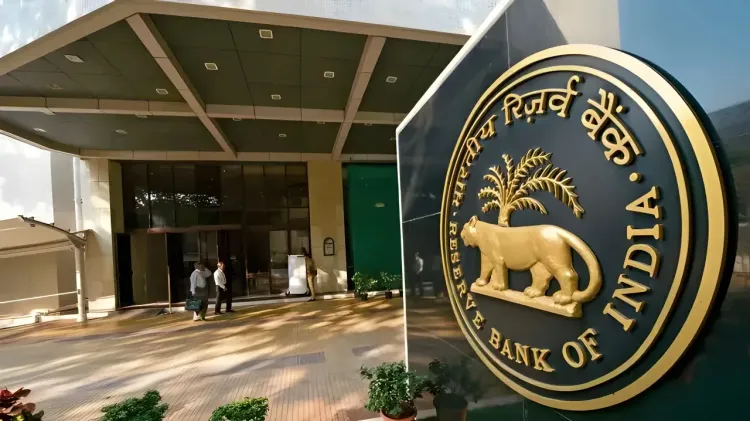
The Reserve Bank of India (RBI) is widely expected to keep its benchmark interest rates unchanged in its monetary policy review on 4 August, as retail inflation remains within the central bank's target band and economic growth holds firm, according to analysts. The decision reflects the RBI's calibrated stance of prioritising growth without compromising price stability.
Inflation Within Comfort Zone
India's Consumer Price Index (CPI) inflation stood at 4.38% in June, staying well inside the RBI's tolerance band of 2% to 6%. The central bank targets the 4% midpoint of this range as the optimal level for growth with price stability. Analysts note that the June uptick was driven largely by elevated global oil prices and costlier imported inputs — factors considered transitory rather than structural.
Public sector oil companies have absorbed a significant share of the crude price increase, shielding consumers from the full impact at the pump — a move that has helped contain headline inflation.
RBI Governor's Stance on Rate Hikes
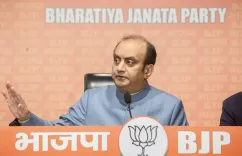
RBI Governor Sanjay Malhotra has signalled that the monetary policy committee would consider a rate hike only if inflationary pressure becomes broad-based and is no longer driven by temporary supply-side shocks. This guidance has reinforced market expectations of a status quo outcome at the 4 August review.
The RBI's June economic forecast projected retail inflation at 5.1% for the fiscal year ending 31 March 2027, with GDP growth expected at 6.6%. Both projections were anchored on crude oil averaging around $95 a barrel — and since prices have remained below that level, the forecasts are seen as broadly intact.
India's Energy Import Strategy Cushions Prices
India has sourced more than 50% of its crude oil requirements at discounted prices from Russia in July, reducing dependence on Gulf suppliers and keeping energy costs manageable. Additionally, public sector oil companies have shifted more than 70% of their LPG imports to the United States, further diversifying the supply chain.
This strategic repositioning of energy imports has given the RBI additional breathing room to hold rates without triggering a domestic price spiral.
Rupee Defence and Forex Inflows
Some analysts had argued that the RBI should raise rates to shore up a weakening rupee by attracting greater foreign exchange inflows. However, the central bank has pursued an alternative path — scrapping capital-gains tax for foreign holders of Indian government bonds and enhancing the attractiveness of dollar deposit schemes for non-resident Indians (NRIs).
These measures have reportedly drawn close to $40 billion in forex inflows, helping stabilise the rupee without the growth cost of a rate hike. Notably, this approach reflects a broader RBI preference for structural incentives over blunt monetary tools when managing currency pressures.
What to Watch After the Decision
Markets will closely track the MPC's forward guidance and any revision to the inflation or growth projections. A sustained rise in crude prices above the $95 a barrel assumption, or a broadening of inflationary pressures beyond energy and imports, could shift the calculus toward a hike in subsequent reviews. For now, the consensus points firmly to an unchanged policy rate on 4 August.
Point of View
But it is edging upward from recent lows, and the $95-a-barrel crude assumption is doing a lot of heavy lifting in the RBI's comfort calculus. More telling is the central bank's decision to defend the rupee through structural incentives rather than rate hikes — a pragmatic call, but one that bets heavily on sustained forex inflows remaining sticky. If global risk appetite turns, that $40 billion cushion could thin faster than the MPC's models anticipate.
NationPress
18 Sept 2026
Frequently Asked Questions
What is the RBI expected to decide on 4 August?
The RBI is widely expected to keep its key interest rates unchanged at its monetary policy review on 4 August. Analysts cite contained CPI inflation and stable growth projections as the primary reasons for a status quo decision.
What is India's current retail inflation rate?
India's retail inflation (CPI) stood at 4.38% in June, which is within the RBI's target band of 2% to 6%. The central bank aims for the 4% midpoint of this range as its ideal level for growth with price stability.
Why is the RBI not raising rates to support the rupee?
Rather than hiking rates, the RBI has used structural measures — scrapping capital-gains tax for foreign holders of Indian government bonds and making NRI dollar deposit schemes more attractive — to draw in close to $40 billion in forex inflows, which has helped stabilise the rupee.
What are the RBI's growth and inflation forecasts for FY2026-27?
The RBI projects retail inflation at 5.1% and GDP growth at 6.6% for the fiscal year ending 31 March 2027. Both forecasts assume crude oil averages around $95 a barrel, and analysts say the projections remain broadly on track given current price levels.
Under what conditions would the RBI consider a rate hike?
RBI Governor Sanjay Malhotra has said the monetary policy committee would raise rates only if inflationary pressure becomes broad-based — not merely the result of temporary supply-side shocks such as global oil price spikes or costlier imported inputs.